



Signature Aviation Pumping Blended SAF at LAX Terminal
The company called the move a substantial leap toward reducing carbon emissions and helping the aviation industry reach net zero by 2050.


The company called the move a substantial leap toward reducing carbon emissions and helping the aviation industry reach net zero by 2050.








Trip of a lifetime finally happens—and the weeklong flying tour proves to be magical.

Memories of the manufacturer revolve around a wonderful man, the late Jim Brown.

Here are some techniques to remember for turning an aircraft.

Classic high-wing four-seater helped set the standard for modern general aviation aircraft.

Light twin known for easy handling remains ideal for a range of missions from time-building to family travel.
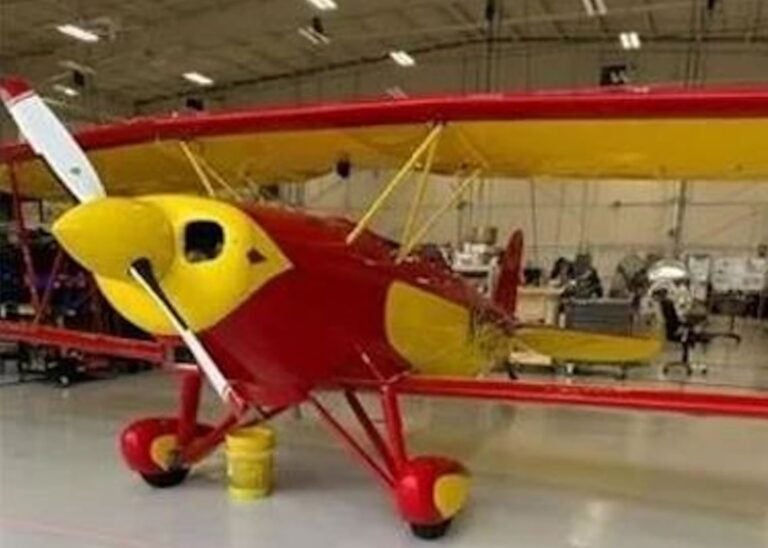
Classic biplane returned to the market a decade ago under the WACO banner.


The light sport aircraft market sits poised for growth in the dawn of MOSAIC.

A father-and-son team are pooling their love of flying into the development of a 2,300-foot facility on top of a mesa in southern Utah.

A 4,200-acre former pecan orchard is now a Texas-sized fly-in community with a long list of amenities that includes two golf courses, equestrian centers, and a marina.

Sometimes the best Italian dining is just a short GA flight away.

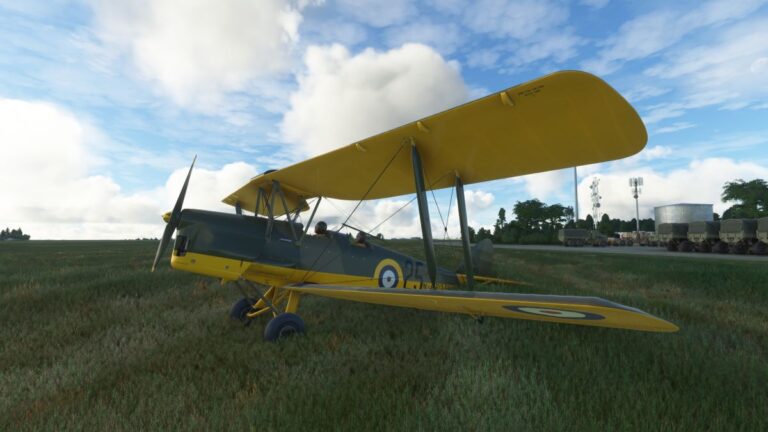
Ride along on a Microsoft Flight Simulator journey through history in the first airplane that most British pilots in WWII learned to fly.

The X-62A VISTA, a modified F-16 testbed aircraft, is helping the Air Force explore artificial intelligence applications in combat aircraft.
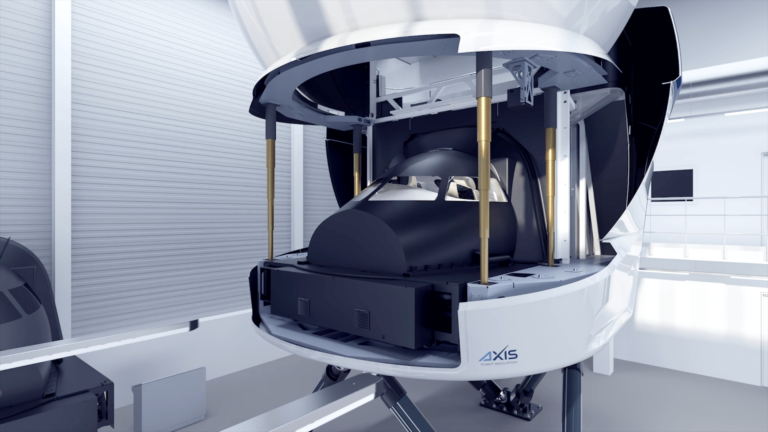
The company says its new AX-D Flex solution is the first ‘roll-on, roll-off’ simulator with front loading.

Both the Meyers 200 and Navion are beloved in their respective circles, so it’s really a matter of taste.

Moving six seats from point A to point B as quickly and efficiently as possible.

Differences between the V-tail and T-tail Bonanza versions exist and are significant enough to show up on a comparative level.
![[PILOT AND SNELLEN CHART PIC]](https://www.flyingmag.com/uploads/2022/11/2022-FlyingMag.com-Native-Advertising-Main-Image--300x169.jpeg)
From our partners at Pacific Health, Inc. | CLAROXAN® CREATED CONTENT CRISP. SHARP. CLEAR. – CLAROXAN ADVANCED A big part of being able to pass

In a simulated flight from Los Angeles to Las Vegas, apps for flight planning, charts, and navigation data seamlessly integrate to enhance the virtual experience.

Aviation, for all its advances in technology, is a uniquely hands-on industry that requires personal interaction between pilots, mechanics, dispatchers, and their aircraft. But that

A cancer diagnosis introduces a level of complexity to the FAA medical certification process that you likely have not experienced before.

The company called the move a substantial leap toward reducing carbon emissions and helping the aviation industry reach net zero by 2050.








A father-and-son team are pooling their love of flying into the development of a 2,300-foot facility on top of a mesa in southern Utah.

A 4,200-acre former pecan orchard is now a Texas-sized fly-in community with a long list of amenities that includes two golf courses, equestrian centers, and a marina.