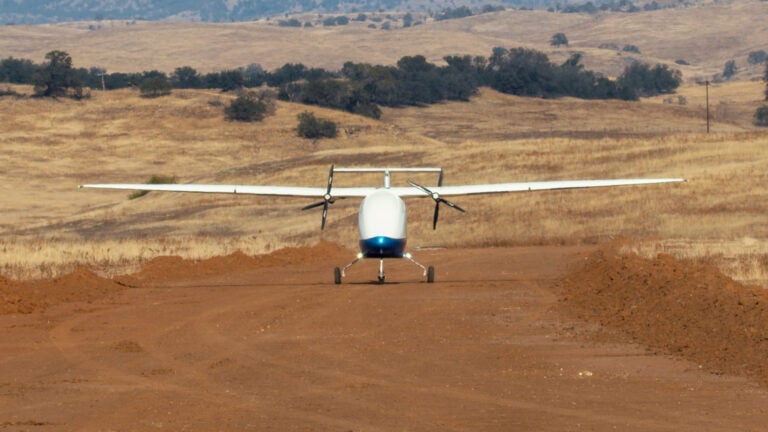
Pyka, Sierra Nevada Partner to Offer Massive Cargo Drone to U.S. DOD
The partners are modifying Pyka’s flagship Pelican Cargo aircraft, an uncrewed, fully electric drone, for use by DOD customers.










Exploring New Zealand’s Grand Islands by Air
Trip of a lifetime finally happens—and the weeklong flying tour proves to be magical.

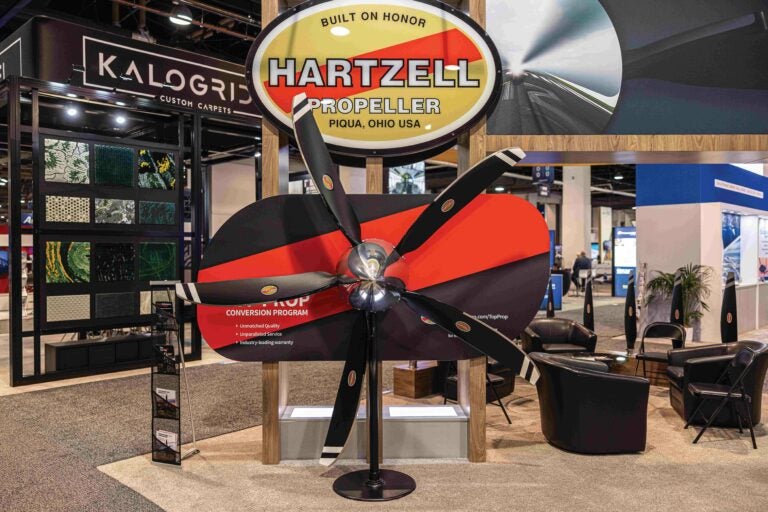
The Man Who Saved the Iconic Hartzell Propeller Company
Memories of the manufacturer revolve around a wonderful man, the late Jim Brown.

There’s Something Essential in the Bank
Here are some techniques to remember for turning an aircraft.
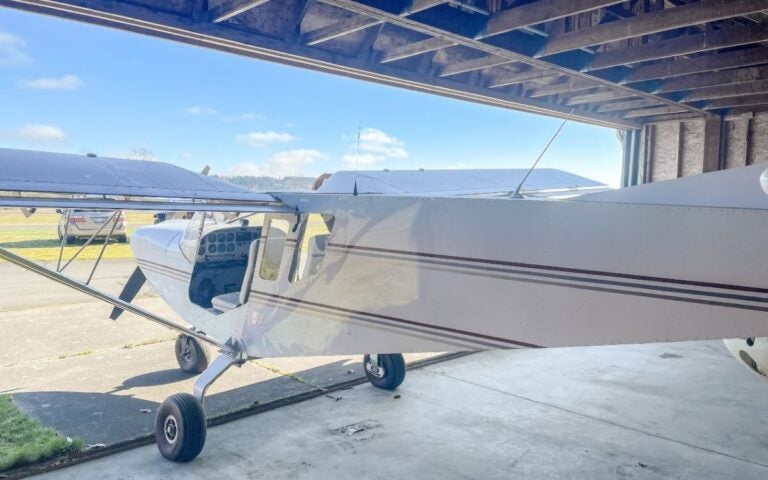
This 2002 Zenith CH 801 Is a Sturdy, Short-Field ‘AircraftForSale’ Top Pick
Zenith designs have helped set the standard for amateur-built aircraft for decades.

This 1958 Cessna 175 Is an Innovative, Underrated ‘AircraftForSale’ Top Pick
The 175 Skylark’s geared Continental GO-300 engine was tuned to deliver more efficient propeller speeds.

This 1976 Grumman American Cheetah Is a Responsive, Rewarding ‘AircraftForSale’ Top Pick
Grumman’s innovative Cheetah offers pilots efficient performance in a straightforward, economical package


Here’s a Look at Some Affordable Aviation Favorites
The light sport aircraft market sits poised for growth in the dawn of MOSAIC.

Fort Worth Area Aviation Community Expands with Second Airpark
A 4,200-acre former pecan orchard is now a Texas-sized fly-in community with a long list of amenities that includes two golf courses, equestrian centers, and a marina.

Pie in the Sky: In Pursuit of the ‘$300 Pizza’
Sometimes the best Italian dining is just a short GA flight away.

New App Helps Pilots Connect, Find New Places to Explore
The Hangar platform allows aviators to share flight details with others, as well as search for destinations, such as where to go for their next ‘$100 hamburger.’





Recreating the de Havilland Tiger Moth
Ride along on a Microsoft Flight Simulator journey through history in the first airplane that most British pilots in WWII learned to fly.
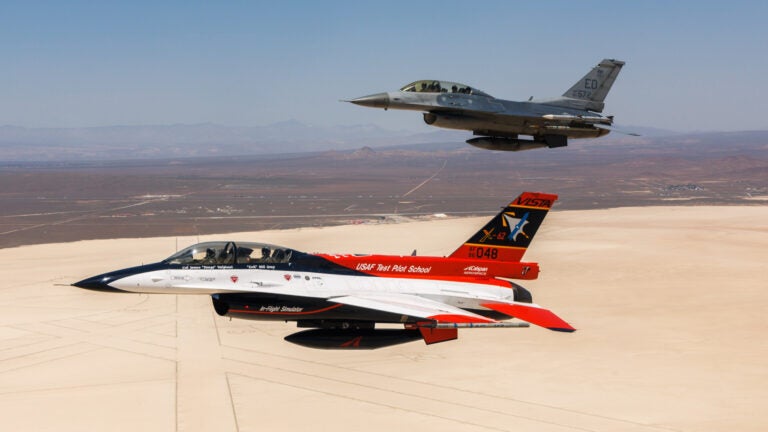
Air Force Secretary Gets in Cockpit of Self-Flying Fighter Plane
The X-62A VISTA, a modified F-16 testbed aircraft, is helping the Air Force explore artificial intelligence applications in combat aircraft.

Axis Unveils Three-in-One Flight Simulator
The company says its new AX-D Flex solution is the first ‘roll-on, roll-off’ simulator with front loading.

Air Compare: Meyers 200 vs. Navion
Both the Meyers 200 and Navion are beloved in their respective circles, so it’s really a matter of taste.

Air Compare: Piper Lance vs. Saratoga
Moving six seats from point A to point B as quickly and efficiently as possible.

Air Compare: Beechcraft A36 Bonanza vs. Bonanza V-tails
Differences between the V-tail and T-tail Bonanza versions exist and are significant enough to show up on a comparative level.
![[PILOT AND SNELLEN CHART PIC]](https://www.flyingmag.com/uploads/2022/11/2022-FlyingMag.com-Native-Advertising-Main-Image--300x169.jpeg)
Pass the Vision Portion of Your Medical
From our partners at Pacific Health, Inc. | CLAROXAN® CREATED CONTENT CRISP. SHARP. CLEAR. – CLAROXAN ADVANCED A big part of being able to pass

Next-Level Flight Simulation with Navigraph
In a simulated flight from Los Angeles to Las Vegas, apps for flight planning, charts, and navigation data seamlessly integrate to enhance the virtual experience.

US Aviation Academy Is Innovating Industry Education
Aviation, for all its advances in technology, is a uniquely hands-on industry that requires personal interaction between pilots, mechanics, dispatchers, and their aircraft. But that

Surviving Cancer as a Pilot
A cancer diagnosis introduces a level of complexity to the FAA medical certification process that you likely have not experienced before.
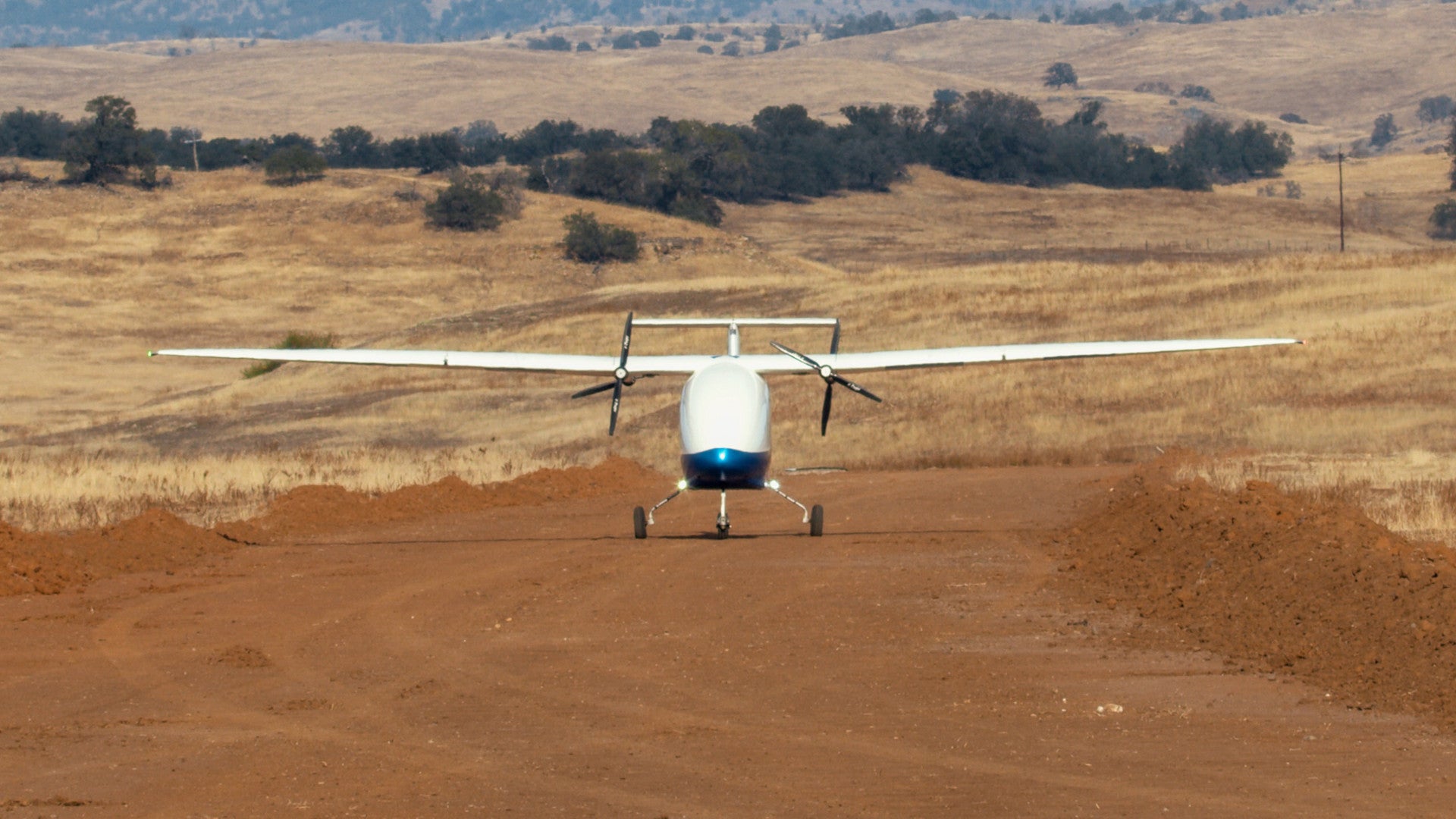
Pyka, Sierra Nevada Partner to Offer Massive Cargo Drone to U.S. DOD
The partners are modifying Pyka’s flagship Pelican Cargo aircraft, an uncrewed, fully electric drone, for use by DOD customers.










Fort Worth Area Aviation Community Expands with Second Airpark
A 4,200-acre former pecan orchard is now a Texas-sized fly-in community with a long list of amenities that includes two golf courses, equestrian centers, and a marina.

New App Helps Pilots Connect, Find New Places to Explore
The Hangar platform allows aviators to share flight details with others, as well as search for destinations, such as where to go for their next ‘$100 hamburger.’