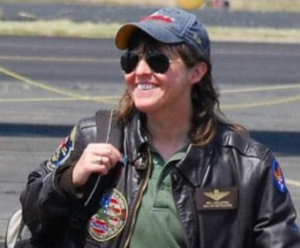
When something happens, authorities investigating will come back to the flight school and the CFI to see if there were any red flags. [Photo credit: Wayman Aviation]
Key Takeaways:
Liability in flight training varies significantly between Part 61, where the CFI is directly responsible for solo endorsements, and Part 141, where the flight school typically bears the primary responsibility.
Fear of legal repercussions and past incidents drive Certified Flight Instructors (CFIs) to implement stringent solo endorsement caveats and compel flight schools to enforce strict policies, sometimes removing students who violate rules.
High-profile incidents can lead to increased scrutiny from authorities, prompting flight schools to implement new rules—like locking dispatch books or requiring all flights to be scheduled—to mitigate perceived liability.
The fear of lawsuits stemming from aviation accidents can deter new educational programs and negatively impact opportunities for students and schools.
Mistakes are part of the learning process. With flying, often these mistakes can be expensive, even deadly when they result in incidents or accidents.
When something happens, be sure the authorities investigating it will come back to the flight school—and the certified flight instructor (CFI) to see if there were any red flags.
CREATE A FREE ACCOUNT
Sign up to keep reading
Create a free account to continue. Already a member? Sign in below.
Meg Godlewski has been an aviation journalist for more than 24 years and a CFI for more than 20 years. If she is not flying or teaching aviation, she is writing about it. Meg is a founding member of the Pilot Proficiency Center at EAA AirVenture and excels at the application of simulation technology to flatten the learning curve. Follow Meg on Twitter @2Lewski.