











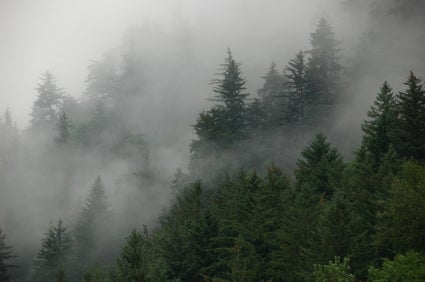


At 10,000 feet, the weather opened up and we could see how Anchorage is surrounded by awesome and treacherous terrain. My first look at Alaska was from the window seat of a Boeing, but as a pilot, I could immediately appreciate how this could be a very dangerous place to fly. Later, as I drove the winding mountain roads, I was astounded by how local the weather was. One moment I was in windy, stormy weather with blowing rain and lightning – but around the next bend in the road were blue skies and calm conditions. My thoughts were that this must be a pilot’s never ending challenge. I humbly offered a vote of confidence and respect to those who navigate these changeable skies on a day-to-day basis.
But I also took the lesson as a reminder that Alaska isn’t unique in its unusual local conditions. Even in the relatively benign Northeast, my Alaska experience made me think of the stretch of geography in central Connecticut that seems to have a weather mind of its own. Even when VFR conditions are forecast throughout the region, there’s a block of airspace south-southeast of Hartford that sometimes packs a surprisingly low blow – with ceilings hugging the terrain much closer than expected along the north-south line defined by the Connecticut River. I’m sure you’ve got similar examples of your own – wherever you fly.

