













Congress Strikes Agreement on Long-Term FAA Reauthorization

While consumer concerns are prominent in the news about the agreement, the reauthorization legislation also addresses concerns over aviation safety.

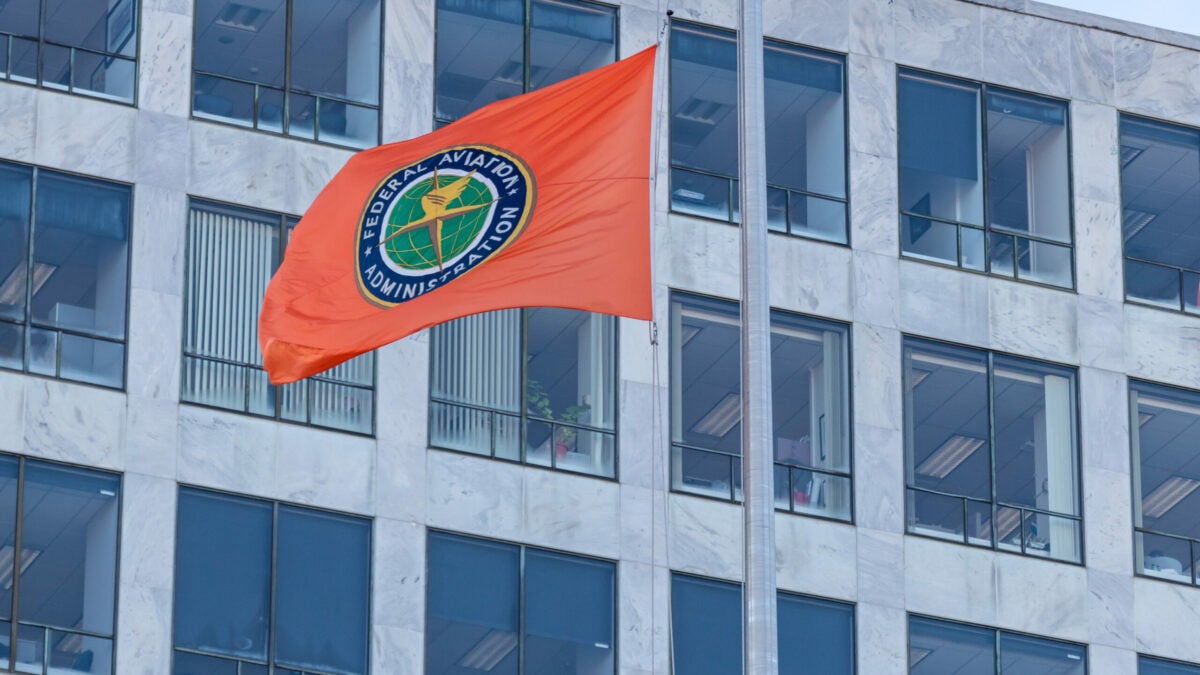
The negotiator-approved version of the FAA Reauthorization legislation addresses FAA staffing shortfalls in air traffic controllers, as well as inspectors, engineers, and technical specialists. [Courtesy: Shutterstock]
Gemini Sparkle

Key Takeaways:

  • U.S. Congress negotiators have agreed on a five-year FAA reauthorization bill aimed at bolstering aviation safety and implementing various consumer protections.
  • Key provisions include addressing FAA staffing shortages, mandating 24-hour cockpit voice recorders, prohibiting airlines from charging for family seating, and requiring a five-year validity for airline vouchers.
  • A notable exclusion from the final bill is the controversial proposal to increase the mandatory airline pilot retirement age from 65 to 67.
See a mistake? Contact us.

U.S. Congress negotiators from the House of Representatives and the Senate agreed Monday on language of a long-term FAA reauthorization bill addressing potential safety breaches as well as consumer protections.

The House voted in favor of a reauthorization bill in July that would have included raising the mandatory airline pilot retirement age to 67 from 65. But in February, the Senate Commerce Committee rejected that element of the proposed five-year, $105 billion FAA reauthorization measure.


According to a Reuters report, the mandatory-retirement-age extension is not in the bill agreed to by House and Senate negotiators. The Senate is expected to vote on the bill later this week.

Among the provisions that are still included in the 1,000-page document are measures prohibiting airlines from charging extra for families to sit together; a required five-year period for airlines’ vouchers and credits to remain valid; and a mandate for 24-hour cockpit voice recorders. Not included, according to Reuters, were other “stricter consumer rules” proposed by the Biden administration.

While consumer concerns are prominent in the news about the agreement (it includes raising the maximum civil penalty for airline passengers’ consumer violations to $75,000 from $25,000), in large part, the reauthorization legislation addresses concerns over aviation safety following months of alarm over near collisions and quality-control discrepancies, primarily focused on Boeing.

The negotiator-approved version of the legislation addresses FAA staffing shortfalls in air traffic controllers (a need for 3,000 new controllers) as well as inspectors, engineers, and technical specialists. The five-year time frame for the FAA reauthorization bill also includes five years of funding for the National Transportation Safety Board (NTSB).

In a joint statement, Senate Commerce Committee Chair Maria Cantwell (D-Wash.) joined the top Republican on the panel Ted Cruz (R-Texas), House Transportation Committee Chair Sam Graves (R-Mo.), and top Democratic member of the committee Rick Larsen (D-Wash.) in writing, “…now more than ever, the FAA needs strong and decisive direction from Congress to ensure America’s aviation system maintains its gold standard…”


Editor’s Note: This article first appeared on AVweb.

Mark Phelps

Mark Phelps is a senior editor at AVweb. He is an instrument rated private pilot and former owner of a Grumman American AA1B and a V-tail Bonanza.

Ready to Sell Your Aircraft?

List your airplane on AircraftForSale.com and reach qualified buyers.

List Your Aircraft
AircraftForSale Logo | FLYING Logo
Pilot in aircraft
Sign-up for newsletters & special offers!

Get the latest stories & special offers delivered directly to your inbox.

SUBSCRIBE