
The migratory white stork has been a welcome visitor to Europe for centuries. It seems to display a peculiar affinity for human beings, building its huge stick nests on their rooftops and chimneys, foraging in their fields, and playing starring roles in their myths and legends. It eats mice and rats, is thought to bring good luck and provides prudes with a polite explanation of the provenance of babies.
How the Stork Inspired Human Flight

Key Takeaways:
- Inspired by observing white storks, the Lilienthal brothers systematically studied bird flight, dissecting mechanics like wing shape, lift, and drag.
- Their research led to groundbreaking discoveries, including the derivation of cambered airfoil shapes, understanding of stalls, and the creation of "polar diagrams" to map lift and drag.
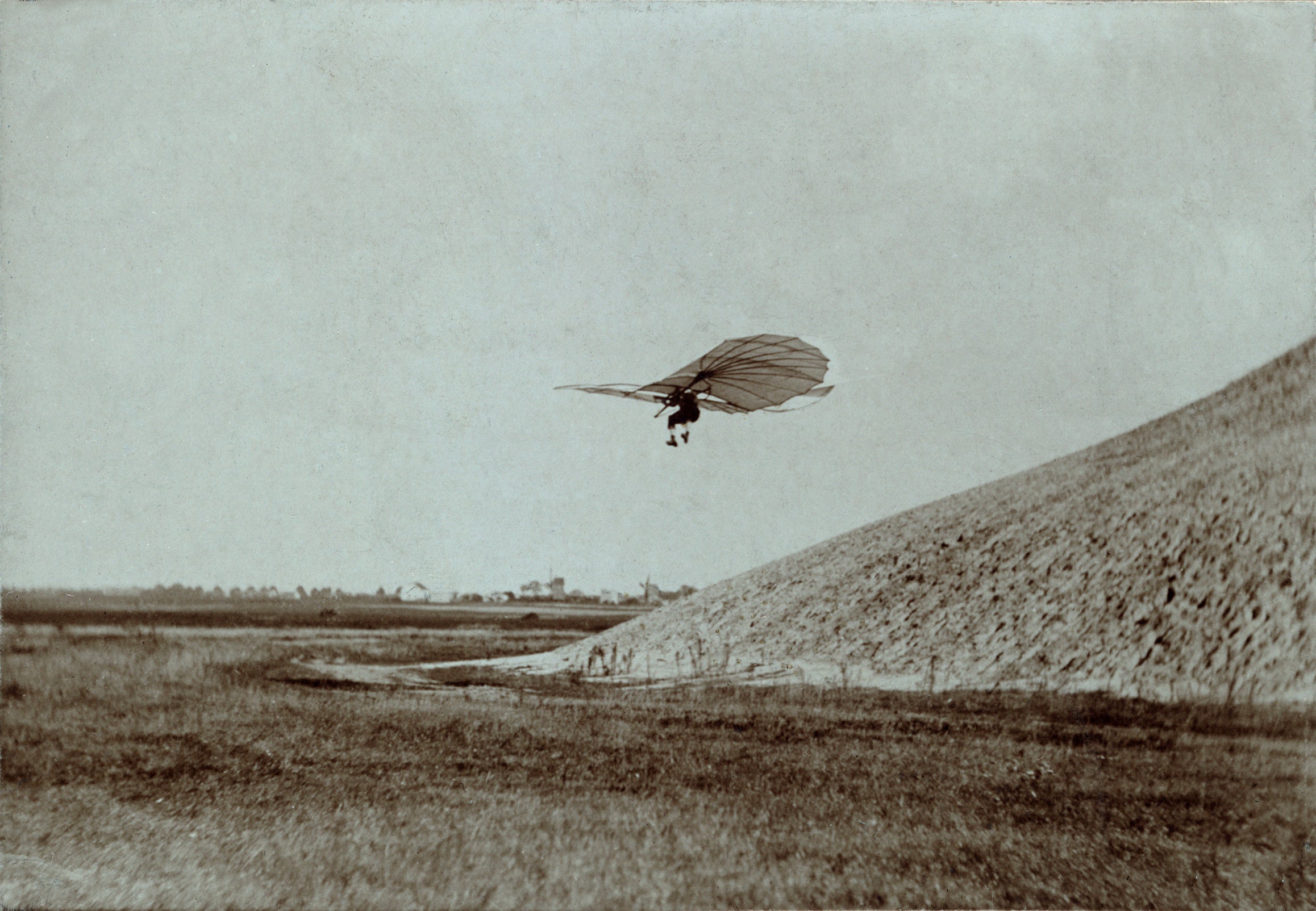
- Applying these principles, Otto Lilienthal invented the weight-shift hang glider and became the world's first pilot, making approximately 2,000 successful glides before the 19th century ended.
Key takeaways sponsored by Aviator Pro | Start Your Training ->
See a mistake? Contact us.