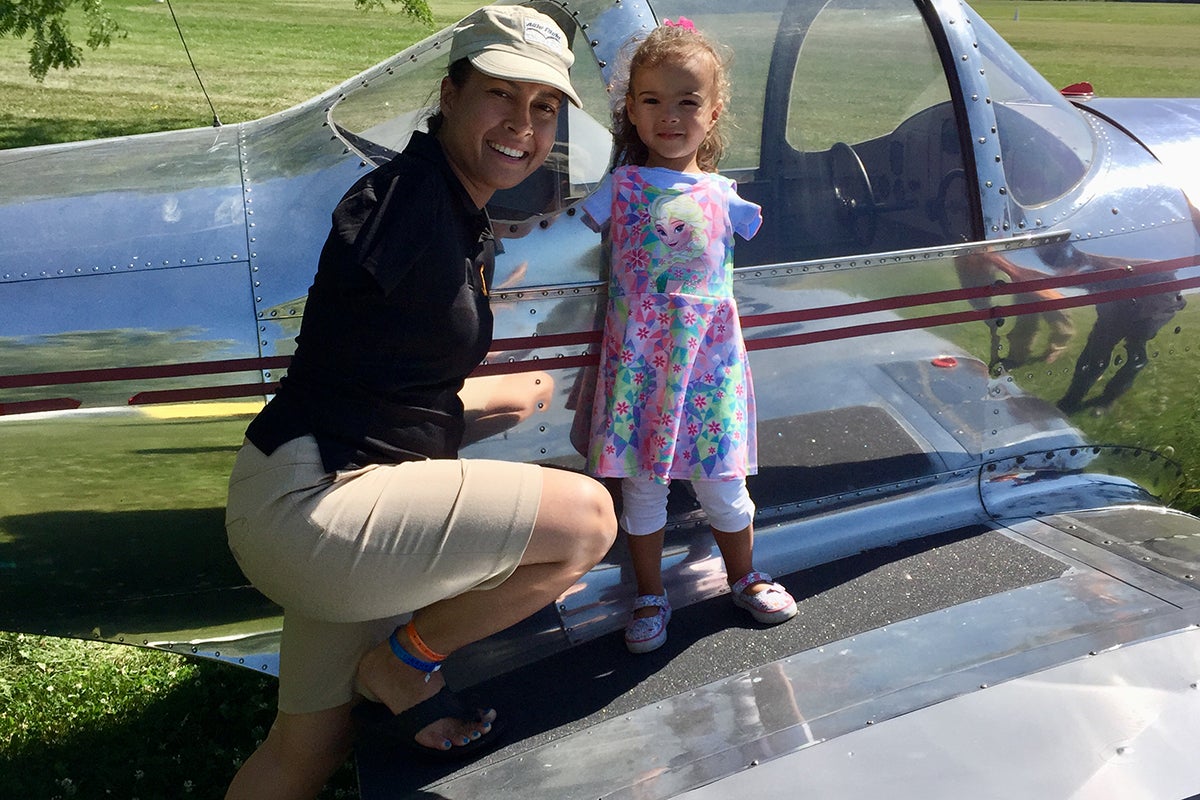
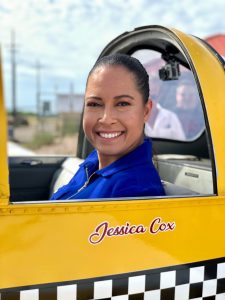
"I love that this column is allowing me to have an opportunity to bring light to some of the misperceptions about aviation for people with disabilities," writes pilot Jessica Cox. [Courtesy: Jessica Cox]
Key Takeaways:
The article highlights pervasive societal misconceptions and under-expectations about people with disabilities, exemplified by the author (an armless pilot) being overlooked as an aircraft owner.
It debunks common aviation-related myths, explaining that certain aircraft designs are naturally accessible, medical requirements for light sport pilots are achievable, and pilot training standards remain rigorous for all.
The author advocates for society to challenge preconceived notions and recognize the true capabilities and achievements of individuals with disabilities, rather than confining them to limiting "boxes."
Picture this: I am at my home airport. I just pulled my Ercoupe out of the hangar with my remote control tow bot, and while it sits on the ramp, I run back into the hangar to grab a few things.
When I returned, a small crowd of four had formed around my airplane. This is not uncommon. The Ercoupe is an eye-catching airplane that always gets a second look.
CREATE A FREE ACCOUNT
Sign up to keep reading
Create a free account to continue. Already a member? Sign in below.
Born without arms, Jessica Cox is the first and only licensed armless pilot in aviation history. When she’s not flying a 1946 Ercoupe in Arizona, Jessica trains in Taekwondo, mentors children with limb differences, and travels the world as a keynote speaker.