














Register

Official: AirAsia QZ8501 Jet Climbed Steeply and Stalled

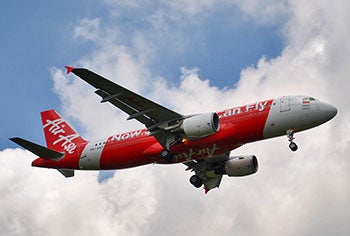
** AirAsia Airbus A320-200 (PK-AXC), the aircraft
involved in the crash, in April 2014. Credit: Oka
Sudiatmika (Wikimedia Commons)/CC-BY-SA 3.0**
Gemini Sparkle

Key Takeaways:

  • Radar data indicates the AirAsia A320 crashed due to a steep, "faster than normal" climb (over 6,000 feet per minute) that led to an aerodynamic stall.
  • The pilots had requested to climb to avoid large storms but were denied permission due to conflicting air traffic, disappearing from radar four minutes later.
  • All 162 people aboard were killed, and no distress signal was received prior to the jetliner plummeting into the Java Sea.
See a mistake? Contact us.

An analysis of radar data from the AirAsia Airbus A320 that crashed near Indonesia late last month points to a steep climb and aerodynamic stall that caused the jetliner to go out of control and plummet into the Java Sea, a government official said.

Indonesian Transportation Secretary Ignasius Jonan said at a government hearing that the A320 climbed at more than 6,000 feet per minute. Citing radar data, he said the airplane, during its last minutes aloft, “went up faster than normal … then it stalled.”


Ready to Sell Your Aircraft?

List your airplane on AircraftForSale.com and reach qualified buyers.

List Your Aircraft
AircraftForSale Logo | FLYING Logo
Pilot in aircraft
Sign-up for newsletters & special offers!

Get the latest stories & special offers delivered directly to your inbox.

SUBSCRIBE
