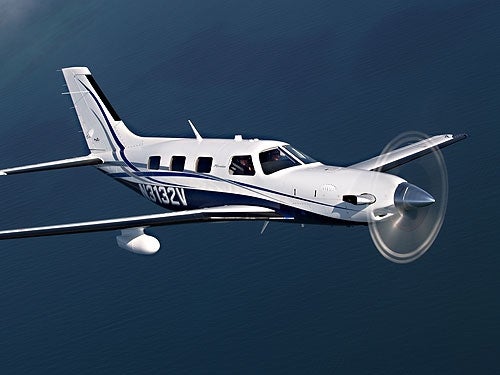
The Piper Meridian is a successful aircraft largely built in-house by Piper, leveraging the company's existing expertise and facilities.
Its airframe primarily uses simple, time-proven built-up sheet metal construction with extensive riveting, complemented by only a few composite parts.
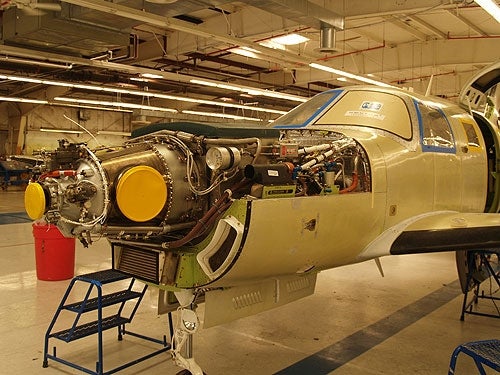
The assembly process is comprehensive, involving the installation of major components like the Pratt & Whitney PT-6 turboprop engine, Hartzell prop, and Avidyne avionics, followed by detailed interior fitting, custom painting, and thorough final testing.
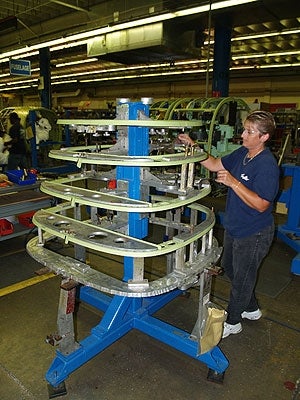
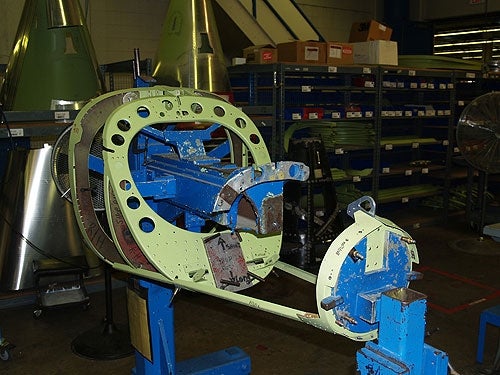
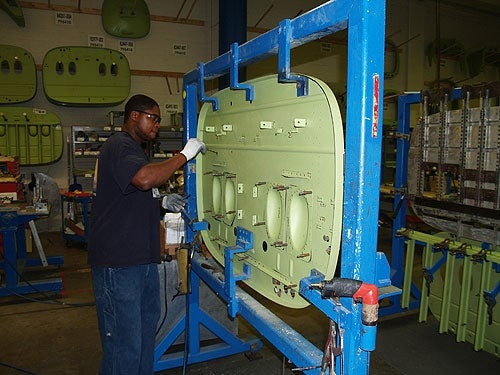
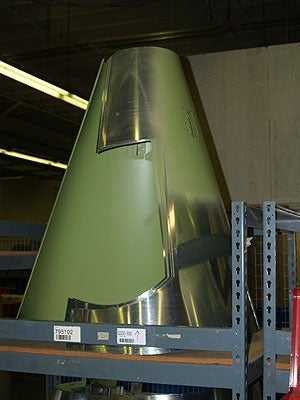
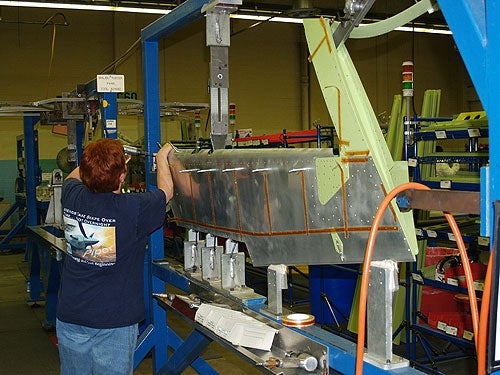
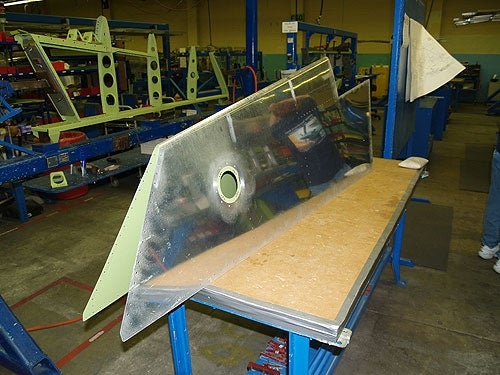
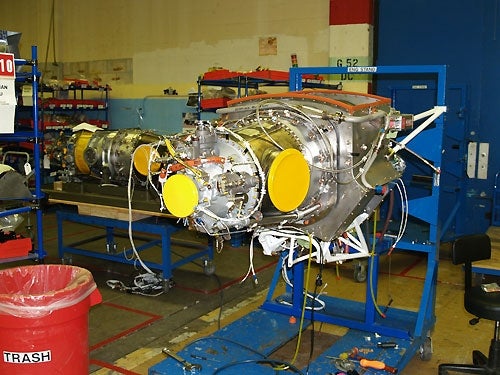
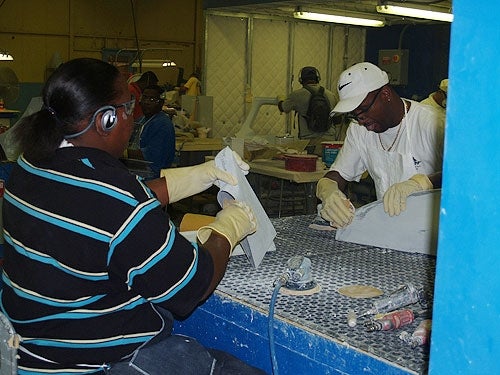
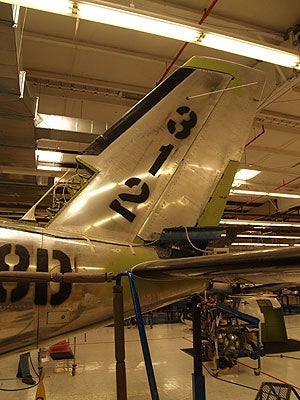
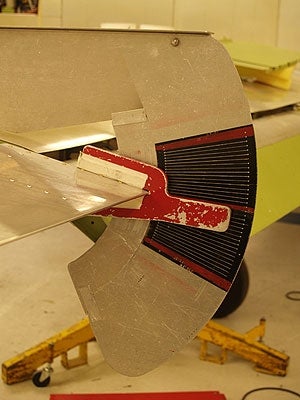
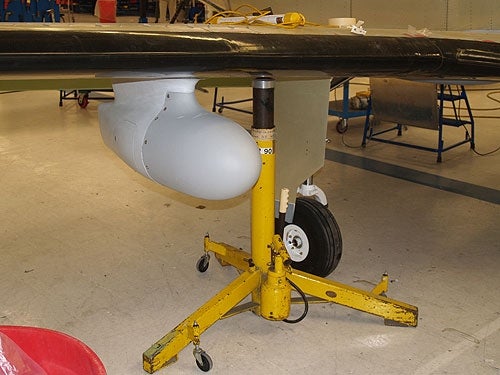
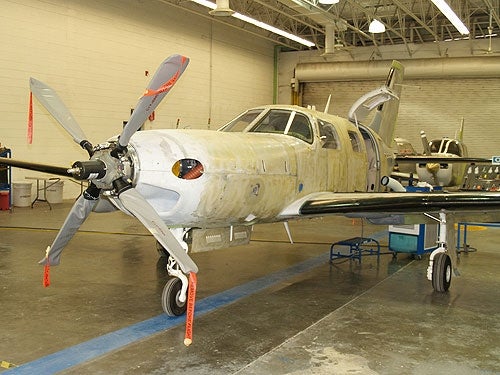
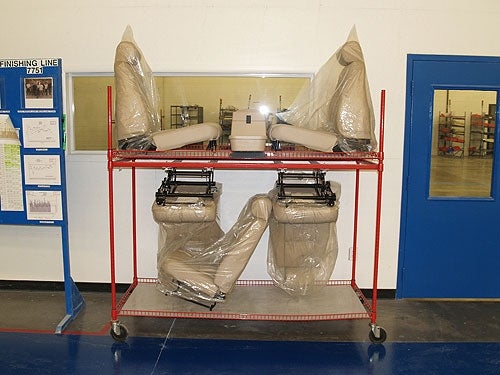
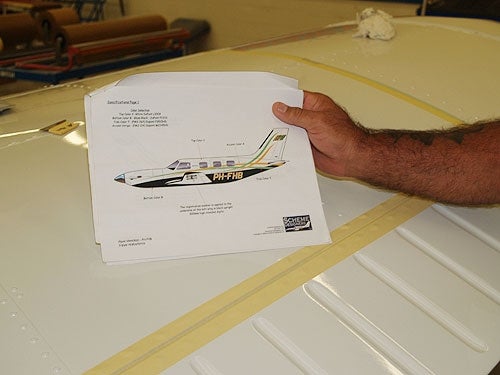
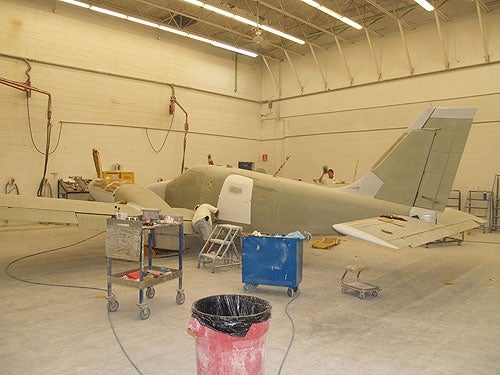
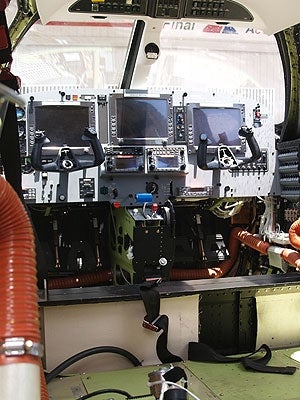
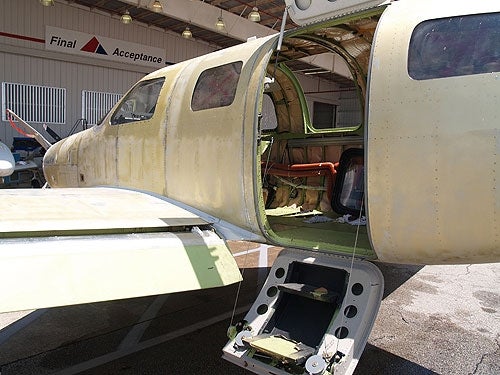
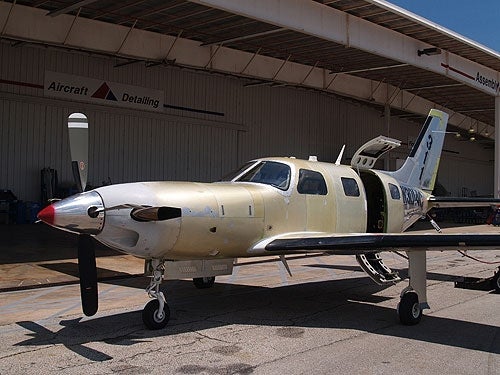
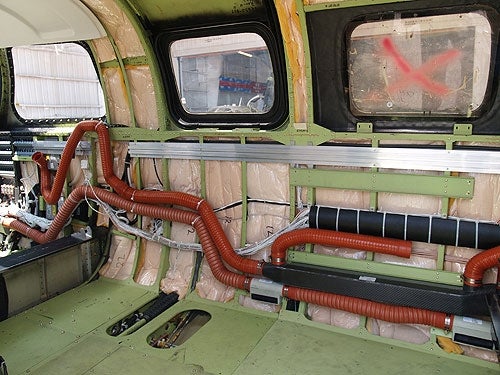
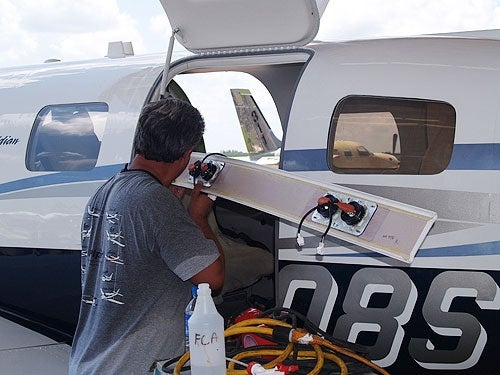
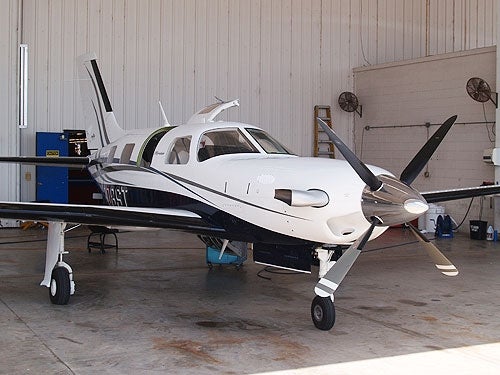
The Piper Meridian is a success story due in part to Piper having leveraged its existing expertise and facilities in building the airplane. Nearly the entire airframe is built in-house, and there only a few composite parts.A Piper worker assembles a Meridian tailcone in a fixture. Most of the airplane is built using simple and time-proven built-up sheet metal construction, as shown here.Stamped fuselage parts are assembled and riveted together.Assembling the pressure bulkhead that goes at the rear of the passenger cabin.Sheet metal cut into shape for making the rear fuselage skins.Applying aluminum skin to a section of the tail. The skins vary in thickness depending on the component, but the use of a lot of rivets is a constant.A tail skin bent into shape and ready for riveting.The most expensive component on the airplane, the Pratt & Whitney Canada PT-6 turboprop engine. Even it undergoes assembly before being installed on the airplane, as accessories specific to the Meridian have to be installed.Employees apply the finishing touches to composite components for the Meridian.As the airplane is assembled, workers install wiring, trim actuators, rigging and even antennas — this comm antenna is placed inside a vertical fin fairing — before closing up the structure.Workers use special tools to properly set the throw of the ailerons and the flaps on the Meridian.The PT-6 installed, this Meridian is ready for another expensive component, the big four-blade Hartzell prop that goes on front.The radar pod installed and ready to go, the airplane is jacked up and the gear is tested.Bearing its own weight, the Meridian now has an engine and a prop and is almost ready to roll out the door.Components that might be damaged by the assembly process, like these fine leather seats, are installed as late in the process as possible.No it’s not a Meridian wing — there wasn’t one in the paint shop when we visited — but this drawing of the paint scheme has the instructions for completing the paint scheme as the customer has specified.A Seneca getting prepped for its special day in the Piper paint shop.This Meridian has gotten its Avidyne Entegra flat-panel avionics system. The interior installation is soon to come.A shell of an airplane still, this Meridian will be a fine finished product with a couple of days of hard work.A “beer can” airplane, as they’re referred to around the shop, this Meridian will be looking pretty after it visits the paint shop.Before an interior goes in, a lot of ducting and wiring has been installed at various stations along the line.Even after the paint has been applied, there’s more work to do. This worker installs a cabin trim piece with lights pre-wired and ready to power up.Out of paint and ready for final prep, this Meridian is days away from flying home with a happy owner.
CREATE A FREE ACCOUNT
Sign up to keep reading
Create a free account to continue. Already a member? Sign in below.
















 |
|
