Cirrus aircraft manufacturing, particularly for the SR22 G3, employs composite construction with fuselage halves bonded using specialized fixtures, which have been updated for the G3 model to cut production time.
A defining feature of the SR22 G3 is its expensive, U.S.-subcontracted carbon fiber spar, which plays a crucial role in significantly reducing the aircraft's weight.
The production process follows a detailed sequential assembly, from constructing wings in fixtures and mating major components, to installing the Continental IO-550 engine, integrating safety features like the parachute system, and customizing each aircraft based on specific order forms.
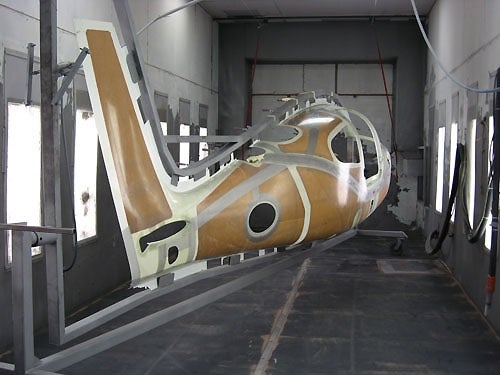
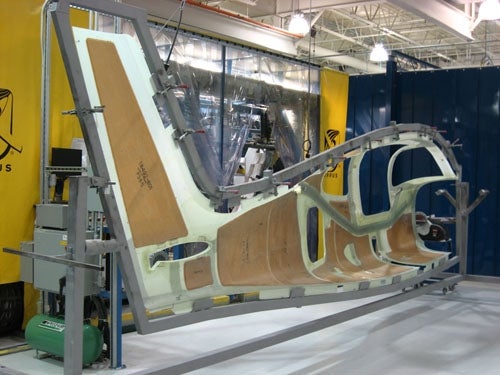
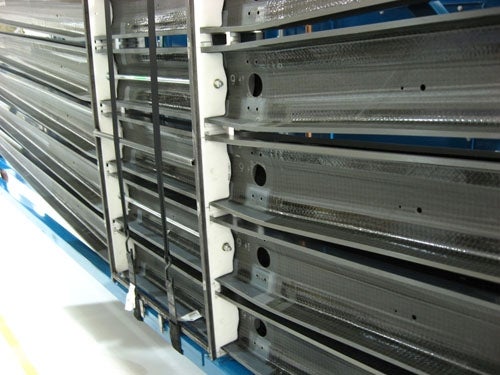
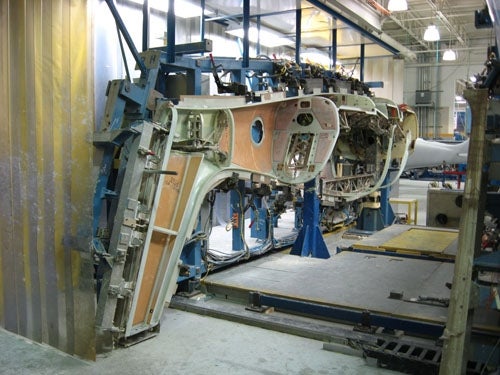
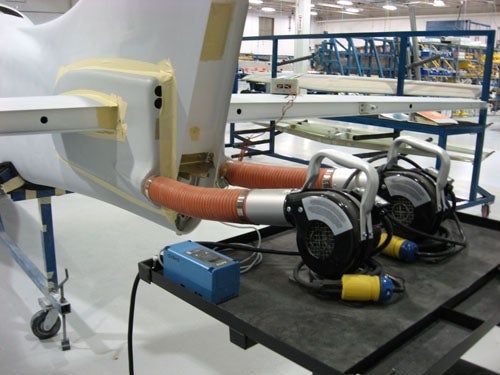
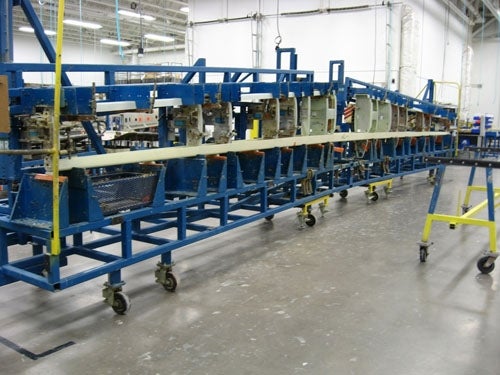
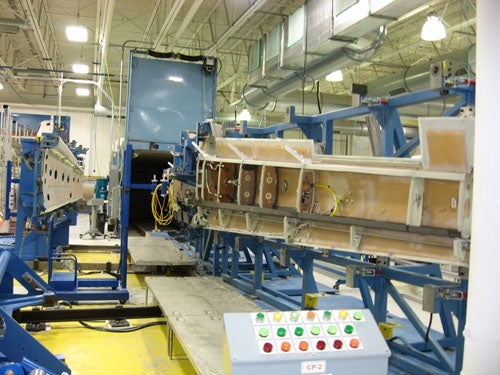
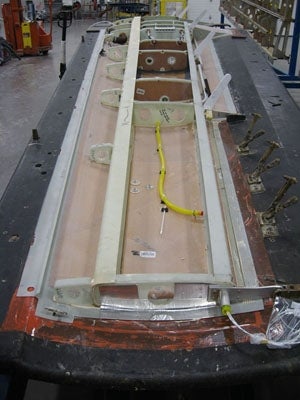
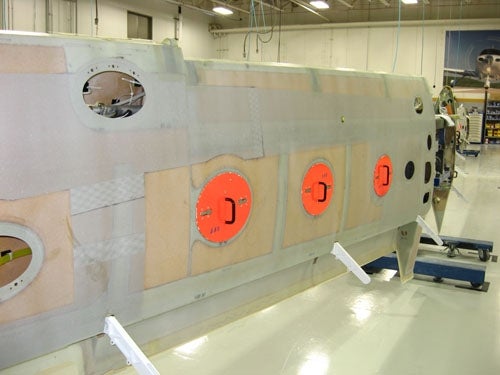
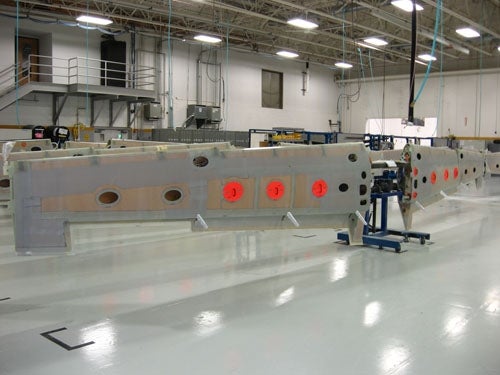
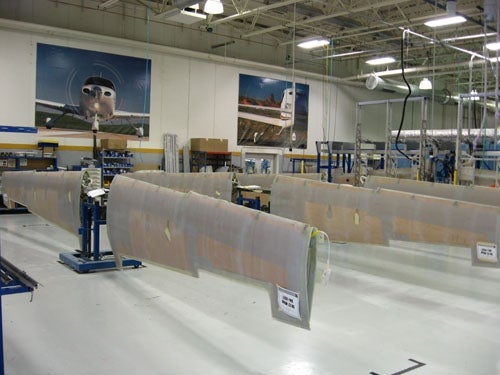
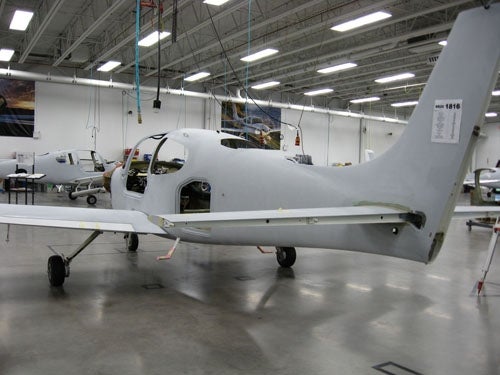
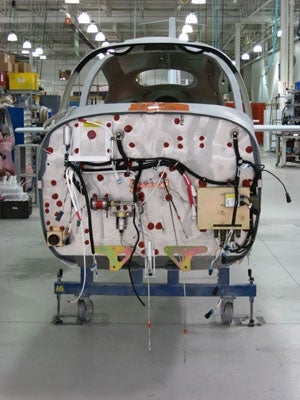
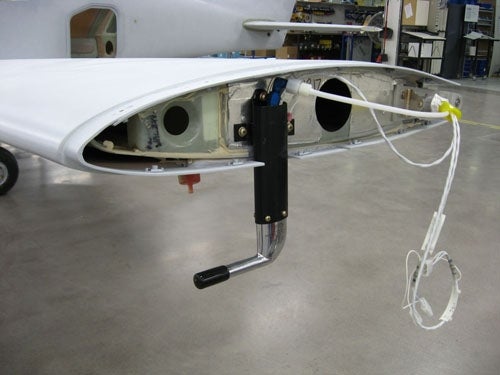
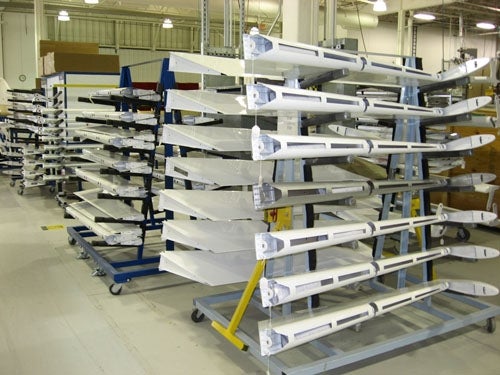
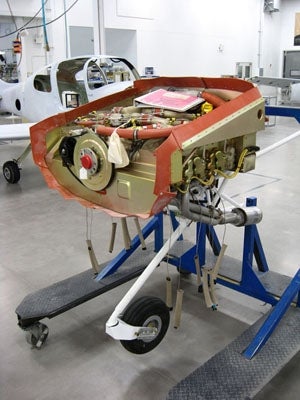
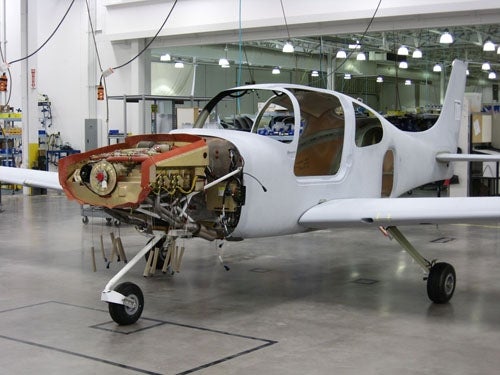
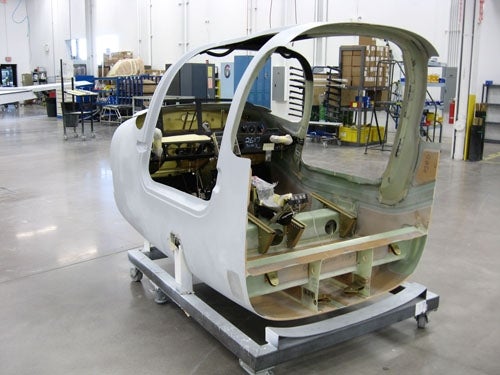
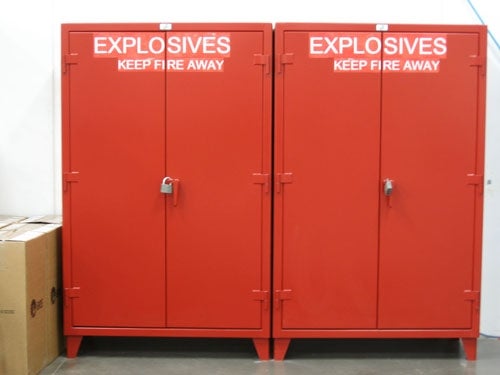
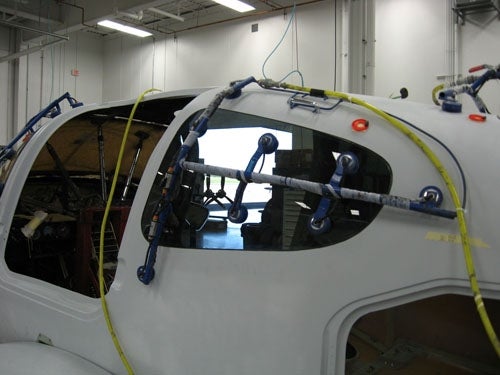
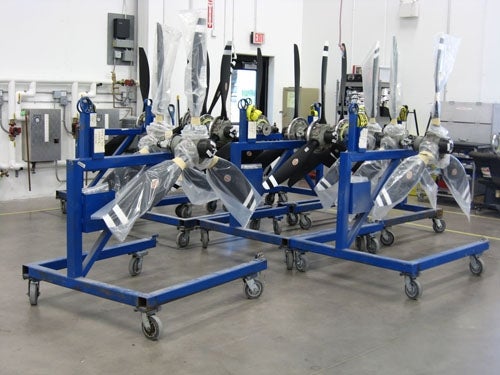
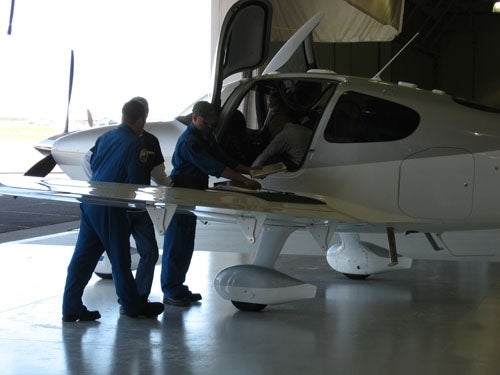
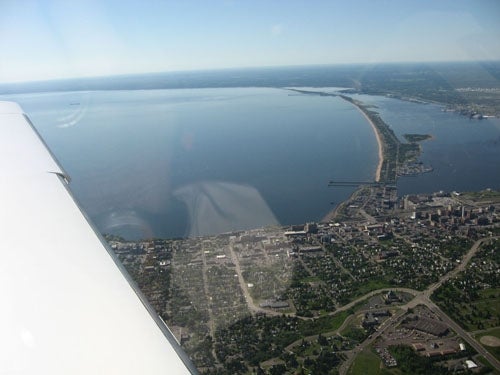
A fuselage half ready for a little time in the Easy-Bake. Note the grey channels built into the fuselage side for the parachute harness straps.A fuselage half ready for additional assembly.One of the components that defines the SR22 G3 model is the carbon fiber spar. Very expensive and built by a U.S. subcontractor, the spar helps cut a substantial amount of weight from the new ’22.The right half of the fuselage, with many components already installed, sitting in a fixture almost ready to have the other half bonded onto it. This fixture was introduced with the G3 model, and it has cut production time substantially.Local heater/blowers help cure a hand laid-up bond on the tail.The fixture in which the major structure of the wing is assembled.A wing section ready to go into the oven.A fixture designed to remove excess bonding material from a partially built-up wing skin.Temporary inspection covers double as handhold for this wing in a fixture. There’s no chance of leaving these optic orange babies in place by mistake.Right and left wing sections ready to be joined.Three airplanes worth of wings awaiting a fuselage on the Cirrus line.Airplanes begin to take shape on the Cirrus line. Note the order form taped to the tail. It describes in exact detail what optional features each airplane gets or doesn’t get.The firewall nearly ready to accept the most expensive component in the airplane, the Continental IO-550.Getting ready to install the lights in the wingtip of a ’22.Cirruses aren’t made completely out of composites. Completed flap assemblies await installation.An engine assembly ready to bolt to a waiting firewall.Engine mated successfully, this Cirrus is only hours away from the paint shop.This one won’t be flying anywhere. This SR22 forward fuselage is bound for a fixed base simulator.Guess what they keep here. Installation of the rocket motors for the chute are left for the end of the line.Installing the glass, a job that’s left for one of the final jobs, to keep expensive scratches to a minimum.Hartzell three-bladers await installation.Cirrus production test pilots getting ready to go flying the latest airplane off the line.Heading home from Duluth in a newly completed SR22 G3.
CREATE A FREE ACCOUNT
Sign up to keep reading
Create a free account to continue. Already a member? Sign in below.
















 |
|
