














Register

Grass Strip Landings with a Pro

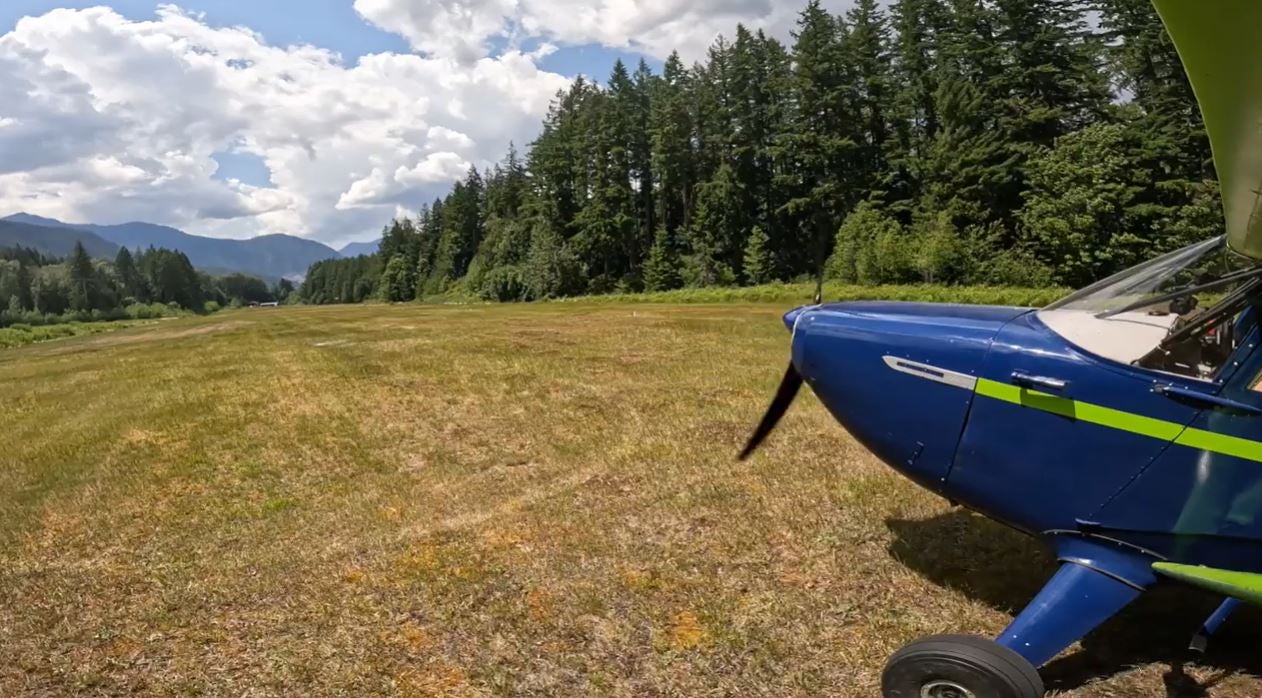
A professional pilot reviews short- and soft-field takeoffs and landings at three grass strips, and explains why the experience is important for those flying for airlines.

[Screenshot]
Gemini Sparkle

Key Takeaways:

  • Airline captain Sam Weigel emphasizes the importance for pilots to gain real-world experience flying from diverse runways like unpaved or short fields, which is often missing in initial training.
  • Many young pilots lack practical exposure to challenging runway conditions, relying on simulated experiences that don't replicate real-world effects.
  • Weigel demonstrates the value of honing essential short- and soft-field techniques by practicing on actual grass strips.
See a mistake? Contact us.

Occasionally getting off the beaten path is an important experience for pilots, according to airline captain Sam Weigel.

“Many young pilots get their private and commercial licenses without ever having flown off of unpaved runways or short ones, or ones that are just short for the density altitude, or ones with obstacles or mountains around,” Weigel said. “Instead, student instructors simulate these conditions on long, paved runways, going through the motions without ever experiencing the effects of real-world conditions.”  
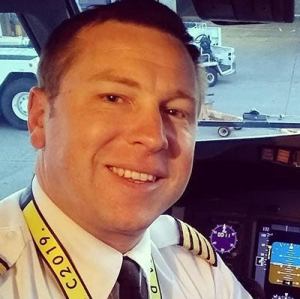
Sam Weigel

Sam Weigel has been an airplane nut since an early age, and when he's not flying the Boeing 737 for work, he enjoys going low and slow in vintage taildraggers. He and his wife live west of Seattle, where they are building an aviation homestead on a private 2,400-foot grass airstrip.

Ready to Sell Your Aircraft?

List your airplane on AircraftForSale.com and reach qualified buyers.

List Your Aircraft
AircraftForSale Logo | FLYING Logo
Pilot in aircraft
Sign-up for newsletters & special offers!

Get the latest stories & special offers delivered directly to your inbox.

SUBSCRIBE

