
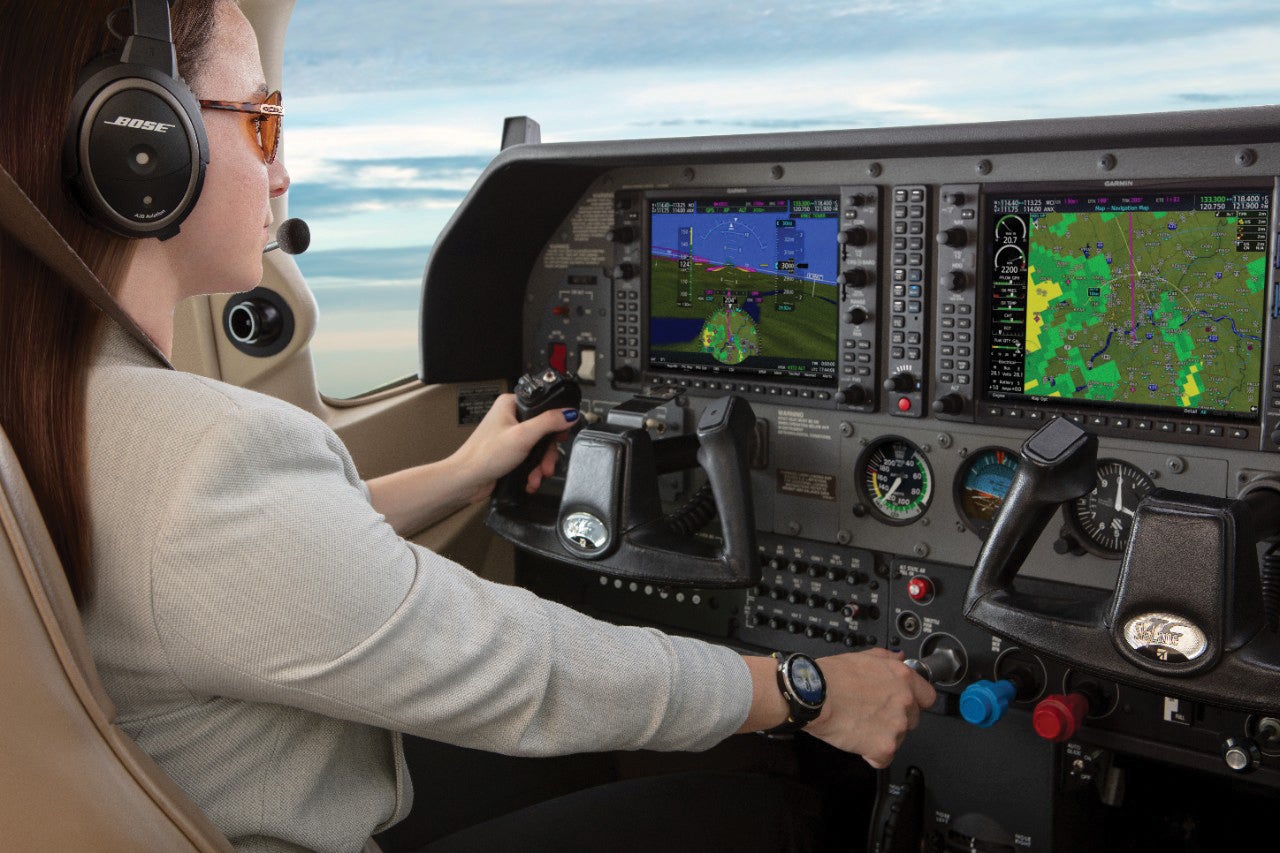
As pilots, we try not to draw too many parallels between driving a car and flying an airplane, because they don’t have much in common aside from moving your body quickly through space. One place this really rings true sits in front of you when you get into the cockpit: the instrument panel. It’s the stretch of landscape above the flight controls—if you have a yoke or center stick—and the throttle quadrant in most training aircraft. The panel itself is typically crafted from aluminum or other metal, with plastic or vinyl molded fairings.
What Gear Is in My Panel?

Key Takeaways:
- Aircraft instrument panels, known as avionics, are complex systems distinct from car dashboards, varying from traditional analog "six-pack" gauges to modern integrated "glass cockpits."
- Pilots must master these systems for critical functions including flight information (e.g., airspeed, altitude, attitude), navigation (GPS, VOR), and radio communication with air traffic control.
- Panels also frequently incorporate features like autopilots, engine monitoring displays, and systems for weather and traffic information, which are crucial for safe and efficient flight.
Key takeaways sponsored by Aviator Pro | Start Your Training ->
See a mistake? Contact us.