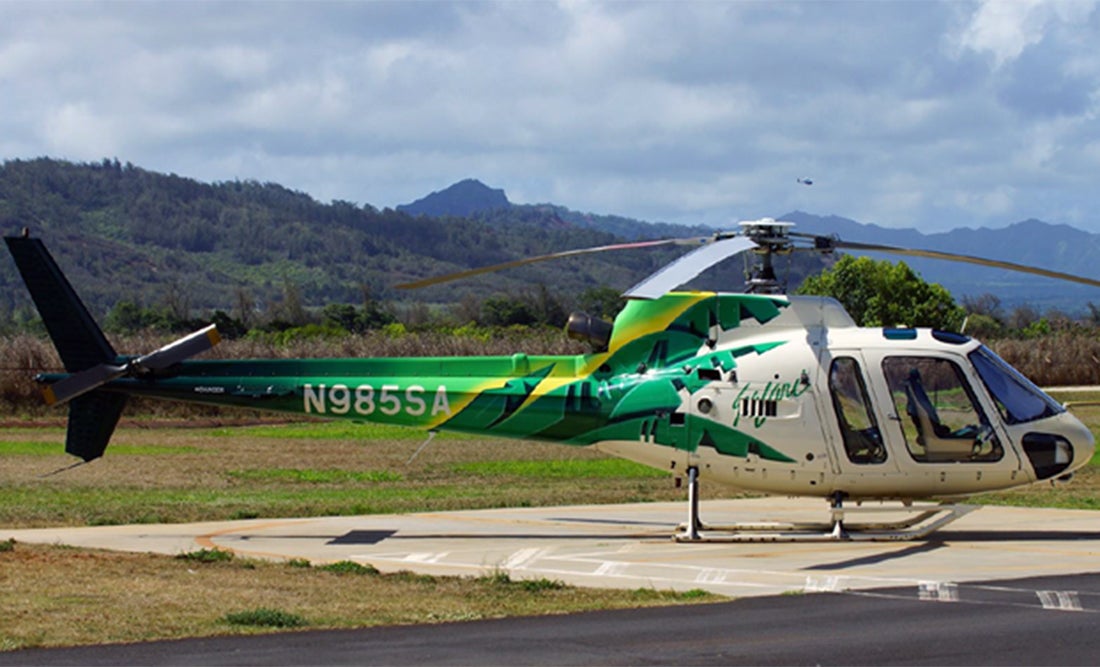
the Airbus AS350 B2 operated by Safari Aviation collided with a steep, wooded slope, killing the pilot and all six passengers. [Courtesy: NTSB]
Key Takeaways:
The NTSB primarily attributed the 2019 fatal Hawaii helicopter crash to the FAA's delayed installation of crucial weather cameras and minimal oversight of air tour operations in the region.
Contributing factors included the pilot's decision to fly into instrument meteorological conditions (IMC) in rising terrain, the operator's lack of a safety management system (SMS), and inadequate pilot training for weather hazards.
The NTSB has a history of recommending safety improvements in Hawaii, including weather cameras and specialized training, due to 41 air tour accidents since 1997.
Key NTSB recommendations for future safety include retrofitting tour helicopters with flight data recorders, requiring safety management systems (SMS) for operators, and mandating Part 135 regulations for all paid-passenger flights.
The National Transportation Safety Board (NTSB) says the FAA is partially to blame for the 2019 fatal accident involving an air tour helicopter in Hawaii.
The NTSB suggests if the FAA had not delayed the installation of weather cameras in the region, the pilot might have been alerted to dangerous conditions and not continued the flight into deteriorating weather.
CREATE A FREE ACCOUNT
Sign up to keep reading
Create a free account to continue. Already a member? Sign in below.
Meg Godlewski has been an aviation journalist for more than 24 years and a CFI for more than 20 years. If she is not flying or teaching aviation, she is writing about it. Meg is a founding member of the Pilot Proficiency Center at EAA AirVenture and excels at the application of simulation technology to flatten the learning curve. Follow Meg on Twitter @2Lewski.