











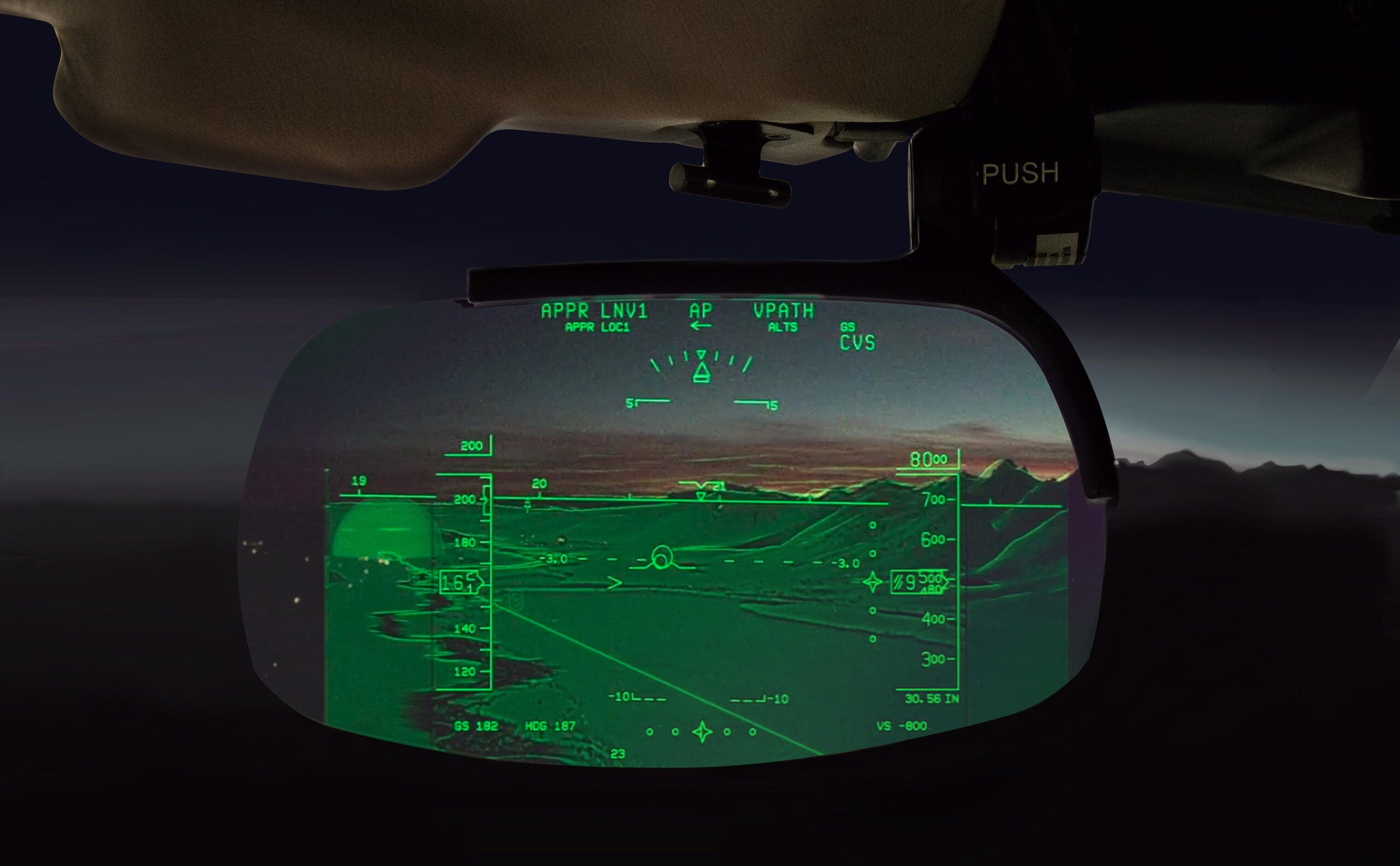
The FAA plans to update aviation’s general flight rules section — Part 91.176 — with new performance-based guidelines aimed at improving flexibility for operators of aircraft equipped with an Enhanced Flight Vision System (EFVS). The rule, effective March 13, 2017, will allow aircraft on an IFR flight plan in most categories to fly a straight-in approach all the way to touchdown, provided the aircraft is properly equipped and the crew trained to EFVS standards. The FAA said the new certification provides a level of safety to flight operations equivalent to what pilots currently experience. Currently, the lowest instrument approach minimums allow for a final descent to the surface from 100 feet AGL if the pilot can visually capture some aspect of the runway or the landing environment with their own eyes.
Flying an Instrument Approach to Touchdown Becomes Possible Next Spring

Key Takeaways:
- The FAA updated Part 91.176, effective March 13, 2017, to allow EFVS-equipped aircraft with trained crews to conduct straight-in approaches all the way to touchdown in low visibility, enhancing operational flexibility and safety.
- This new rule permits eligible operators (e.g., Part 121, 125, 135) to dispatch EFVS-equipped aircraft for takeoff in weather conditions with visibility as low as 600 feet.
- The update also details pilot training standards and recent flight experience requirements specifically for operations utilizing Enhanced Flight Vision Systems (EFVS), which provide improved imagery via infrared cameras.
Key takeaways sponsored by Aviator Pro | Start Your Training ->
See a mistake? Contact us.

