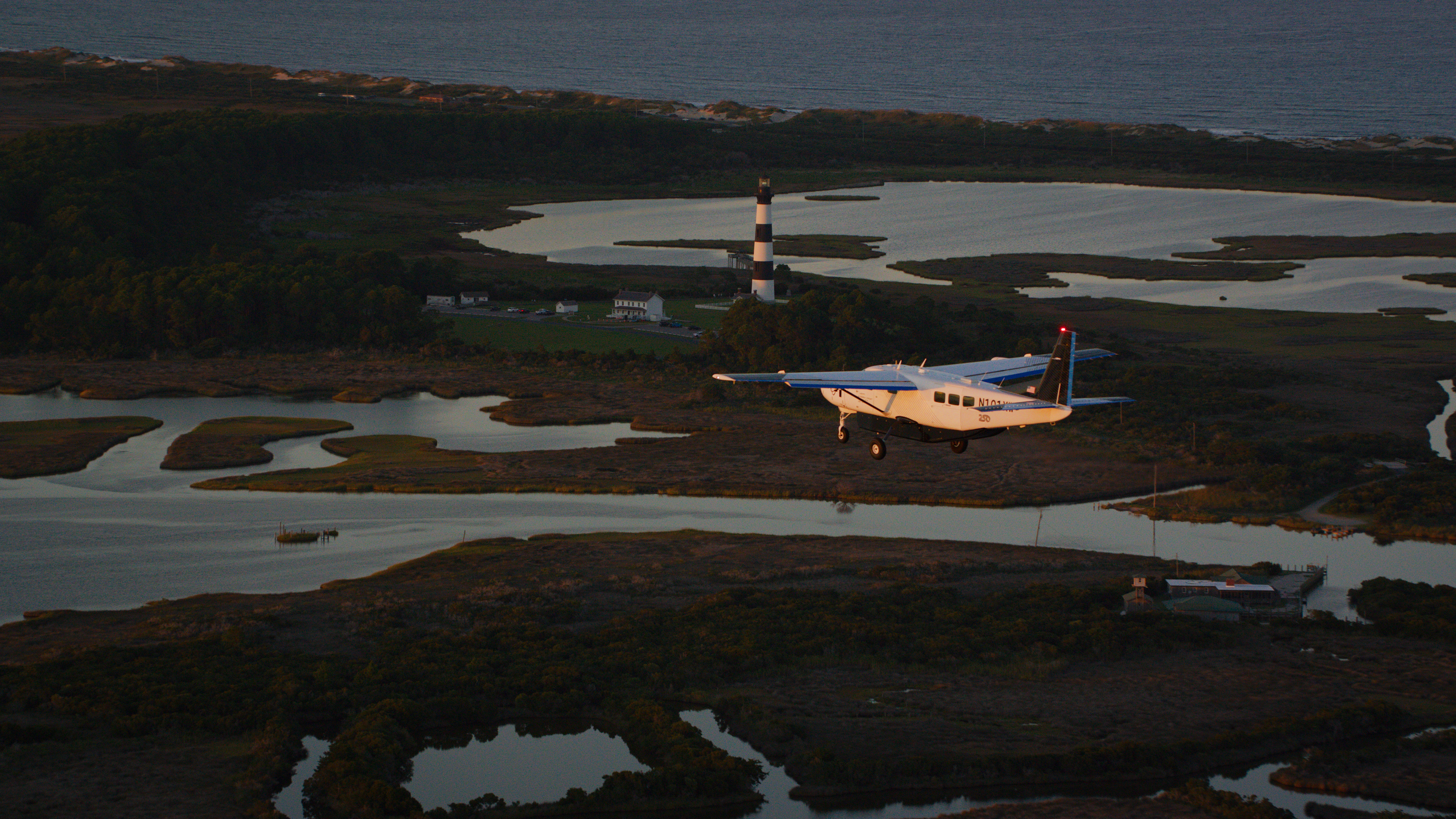
Joby’s J208 aircraft, an autonomous Cessna Caravan equipped with autonomous technology, soars past Bodie Island Lighthouse near Kitty Hawk in North Carolina. [Credit: Joby Aviation]
A converted Cessna 208 Grand Caravan equipped with autonomy technology completed what its owner, Joby Aviation, said was the first fully autonomous, coast-to-coast journey across the U.S.
Joby, which has spent most of its existence developing a piloted eVTOL air taxi but in recent years began exploring autonomy, said Friday that the Caravan covered almost 3,200 miles on the journey from California to North Carolina, which began earlier in September. The company said the aircraft’s onboard human safety pilot made zero control inputs during the multi-leg mission, marking a new capability milestone for its proprietary technology.
Instead, the aircraft’s autonomous taxi, takeoff, cruise, route navigation, and landing functions were observed and supervised remotely from Joby’s autonomy headquarters in California and Shaw Air Force Base (KSSC) in South Carolina. At one point, more than 2,300 miles separated the aircraft and its supervisors. Joby said the Caravan autonomously rerouted around storms and other severe weather “without prior airport familiarity.”
The cross-country jaunt culminated in a low pass of Bodie Island Lighthouse near Kitty Hawk, which Joby said paid homage to the Wright brothers’ first powered flight there.
“Autonomy has an important role to play in the future of flight, allowing us to connect remote communities, deliver critical supplies, respond faster to disasters, support military operations, and keep pilots out of harm’s way,” said JoeBen Bevirt, founder and CEO of Joby, in a statement.
The converted Caravan’s eastbound journey included stops in four states. Soon, it will begin its return trip to California and visit seven states, giving eagle-eyed aviators another chance to spot it.
Joby’s Autonomous Caravan
J208 is Joby’s name for the Caravan that recently flew coast to coast. It combines the single-engine turboprop’s airframe with autonomous systems initially developed by Xwing and acquired by Joby in 2024. The venerable Caravan has become a popular airframe for testing autonomy, with competitors such Merlin Labs and Reliable Robotics also using it.
“In practice, the J208 operates under a supervised autonomy model, where a ground-based remote pilot serves as pilot in command, supervising the flight, updating flight plans and managing air traffic control (ATC) communications using the aircraft’s standard radios,” Joby said in a news release earlier this month.
It added that a monitoring pilot is on board for “select operations.”
Our autonomous aircraft is flying coast to coast: a month-long, 10-state tour is officially underway.
Meet the J208, the aircraft at the center of Joby's autonomy operation, where a pilot commands an entire mission remotely with a keyboard, a mouse, and a mic.
Joby believes equipping autonomy on an already-certified aircraft will allow it to deliver quickly and at scale. It bills the converted Caravan as an asset for logistics missions including commercial freight, medical transport, disaster response, and defense. In the future, the company hopes to add the same autonomous technology to its commercial eVTOL model.
The defense application may be the first to materialize.
Joby said Friday that its autonomy systems have powered more than 400 flights and 800 automated flight hours in controlled and uncontrolled airspace. That includes participation in three U.S. military exercises spanning thousands of miles across military bases and public airports within the continental U.S. as well as Hawaii.
In August 2025, the Caravan flew more than 7,000 nm and completed a successful Pacific Ocean crossing. Some activities were monitored from nearly 4,000 miles away in Guam. The goal was to show how an autonomous model could efficiently handle high-risk, low-volume airlift and delivery operations.
Among militaries worldwide, there is rising interest for aircraft that could more safely and efficiently conduct logistics and sustain forces in regions such as the Indo-Pacific, where operations are spread across hundreds of miles of ocean. The U.S. Air Force’s Agile Combat Employment (ACE) effort seeks low-cost, attritable aircraft for contested logistics in that region. In 2025, the Air Force shared plans to test another autonomy-equipped Caravan, developed by Reliable Robotics, and eventually deploy it on real overseas missions.
Caravan manufacturer Textron Aviation on Monday unveiled a SkyCourier UX concept aircraft that would integrate Merlin’s Pilot autonomy system and serve similar applications.
What’s Next?
J208’s trip from California to North Carolina was just the first half of what Joby described as a monthlong, coast-to-coast tour spanning 10 states.
The Caravan departed California’s Buchanan Field Airport (KCCR) on September 10. Its first stop was Phoenix Deer Valley Airport (KDVT) in Arizona, where it demonstrated potential applications for defense, first responders, and cargo. Joby said the activities were part of the Utah-led portion of the FAA’s eVTOL Integration Pilot Program (eIPP), which is studying airspace integration in high-altitude terrain and extreme desert temperatures.
Next was a visit to Fort Worth Alliance Airport (KAFW), where a demonstration highlighted the model’s autonomous freight capabilities. That coincided with Joby’s first eVTOL flight under Texas’ eIPP project.
At Shaw Air Force Base, J208 conducted a “capability demonstration of representative military flight operations and tactical defense readiness,” Joby said. It then landed at Dare County Regional Airport (KMQI) in North Carolina.
The aircraft’s first westbound stop will be at Raleigh-Durham International Airport (KRDU) on Wednesday. Joby said the North Carolina flights will support that state’s eIPP activities and show how autonomy could improve aerial deliveries of emergency and medical supplies to remote locations.
J208 will also visit Stafford Regional (KRMN) in Virginia, Louisville Muhammad Ali International (KSDF) in Kentucky, Wichita Dwight D. Eisenhower National (KICT) in Kansas, OKC Will Rogers International (KOKC) in Oklahoma, Salt Lake City International (KSLC), and Portland International (KPDX) in Oregon. The last three stops will again be part of the Utah-led eIPP project.
Joby said the aircraft’s stop in Portland will include both flight demonstrations and static displays, giving curious aviators an up-close look. Readers can track the journey on Joby’s website.
Jack is a staff writer covering advanced air mobility, including everything from drones to unmanned aircraft systems to space travel—and a whole lot more. He spent close to two years reporting on drone delivery for FreightWaves, covering the biggest news and developments in the space and connecting with industry executives and experts. Jack is also a basketball aficionado, a frequent traveler and a lover of all things logistics.
Years ago, when the fleet of modern re-creations of Piper’s beloved Cub series of aircraft was gaining popularity, I asked a friend who owns an original PA-18 Super Cub what he thought of the trend. He was unimpressed.
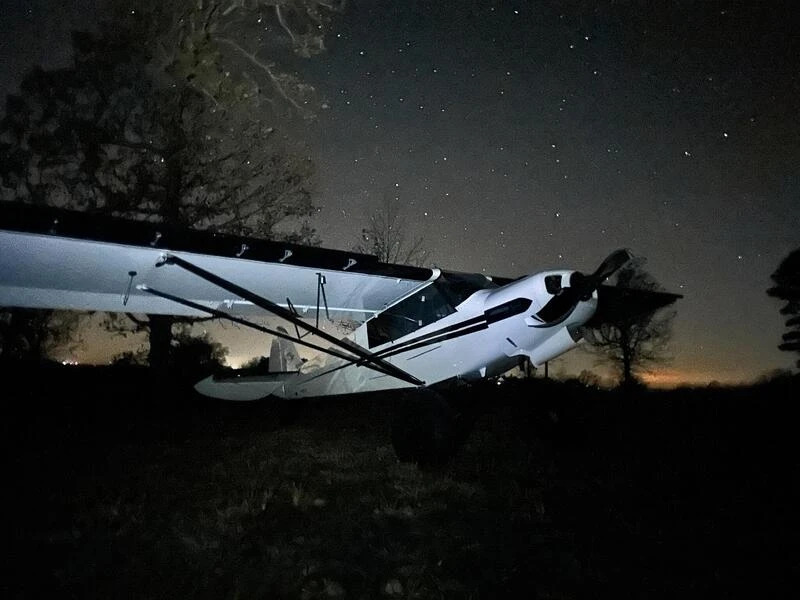
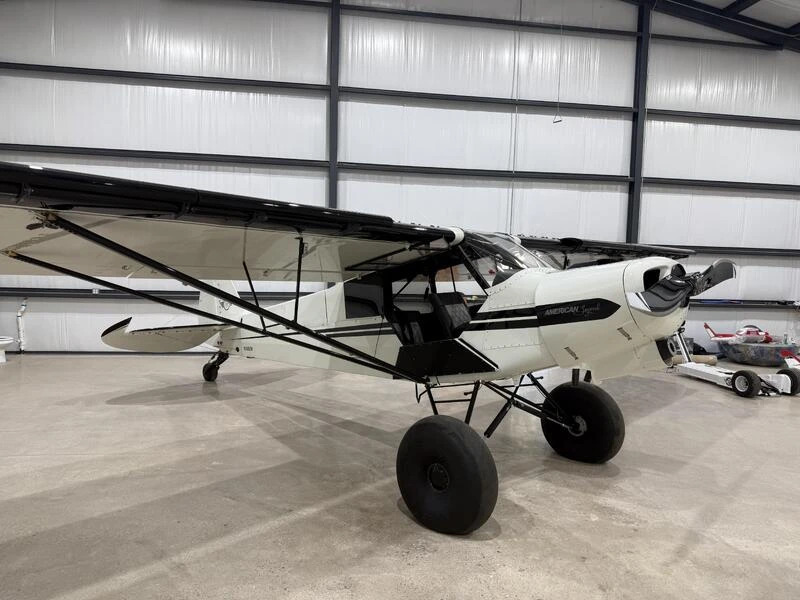
The American Legend airframe carries a 195 hp engine and Bushwheels to boost backcountry performance. [Credit: Zach Wright]
In his opinion, the appeal of owning a Cub was the opportunity to experience the joy of flying a highly influential vintage design while balancing its strengths and weaknesses to complete your missions. He felt there was no need to modify a Cub to give it brute power.
Well, sometimes we have to agree to disagree. While flying an original Cub is something every pilot should experience, a Cub built from modern materials with more power and updated systems can be extremely appealing. And while Cubs are among the airplanes that got the STOL and backcountry movements going decades ago, their performance seems quaint when compared with the latest developments.
The aircraft for sale today, with an acronym that stands for “Mother of All Cubs,” is aimed at pilots who refuse to settle for the basic factory specifications of an earlier era.
While other pilots talk about short-field performance, the MOAC owner is lifting off after a ground roll of about 100 feet. Even when not flown near its limits, the MOAC’s high-power engine, slatted wing, state-of-the-art suspension, and modern avionics provide the versatility to tackle varied missions with greater confidence than any vintage taildragger.
This 2023 American Legend AL18 MOAC has 220 hours on the airframe, its 195 hp Titan IOX370 engine, and Catto GA 86-inch propeller. The aircraft is equipped with 3×3 landing gear, 31-inch Bushwheels, Baby Bushwheel tailwheel, Acme Pro series shocks, and Acme Stinger tailwheel suspension, leading edge slats, and LED lighting.
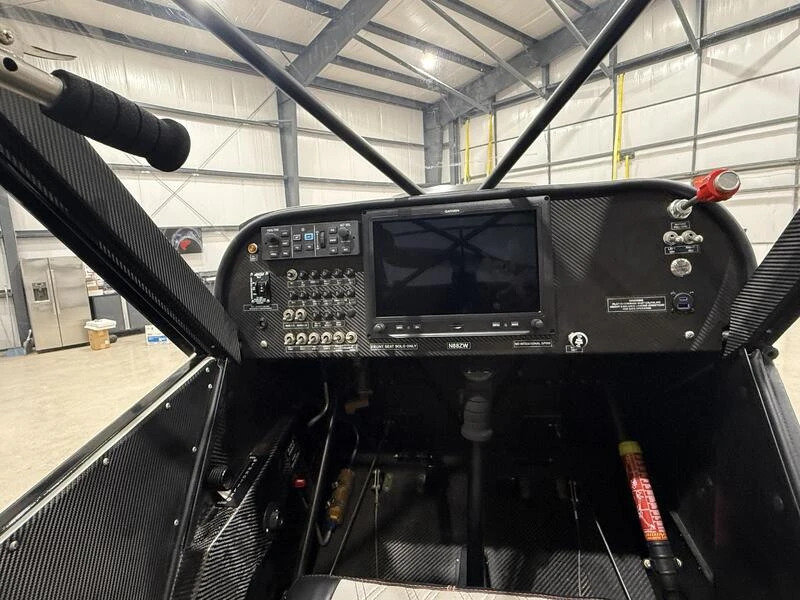
The AL18 MOAC has a well-equipped panel. [Credit: Zach Wright]
The panel includes Garmin G3X avionics and GFC 500 autopilot. The aircraft has an empty weight of 1,170 pounds and gross weight of 2,000 pounds.
Pilots looking for a hot-rod STOL machine well suited for plying the bush should consider this 2023 American Legend Aircraft AL18 MOAC, which is available for $345,000 on AircraftForSale.
If you’re interested in financing, you can do so with FLYING Finance. Use our airplane loan calculator to calculate your estimated monthly payments. Or, to speak with an aviation finance specialist, visit flyingfinance.com.
Jonathan Welsh is Lead Editor of Aviation Consumer and a private pilot who worked as a reporter, editor and columnist with the Wall Street Journal for 21 years, mostly covering the auto industry. His passion for aviation began in childhood with balsa-wood gliders his aunt would buy for him at the corner store. Follow Jonathan on Twitter @JonathanWelsh4
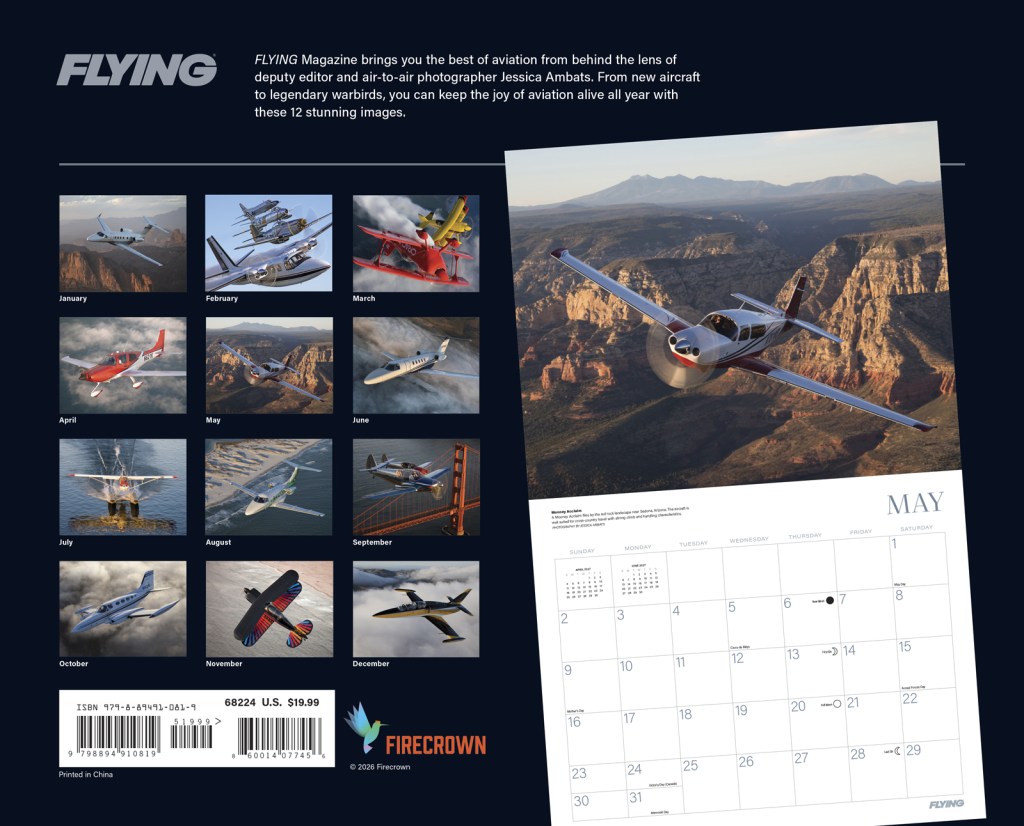
Front of the 2027 FLYING calendar [Credit: FLYING]
FLYING Magazine proudly presents our all-new aviation calendar, featuring breathtaking photography from editor-in-cief Jessica Ambats.
From cutting-edge new aircraft to legendary warbirds, every month delivers a striking image that captures the spirit of flight and the beauty of aviation.
Front of the 2027 FLYING calendar [Credit: FLYING]
Whether you’re a pilot, enthusiast, or collector, this is the perfect way to bring aviation into your home or hangar all year long.
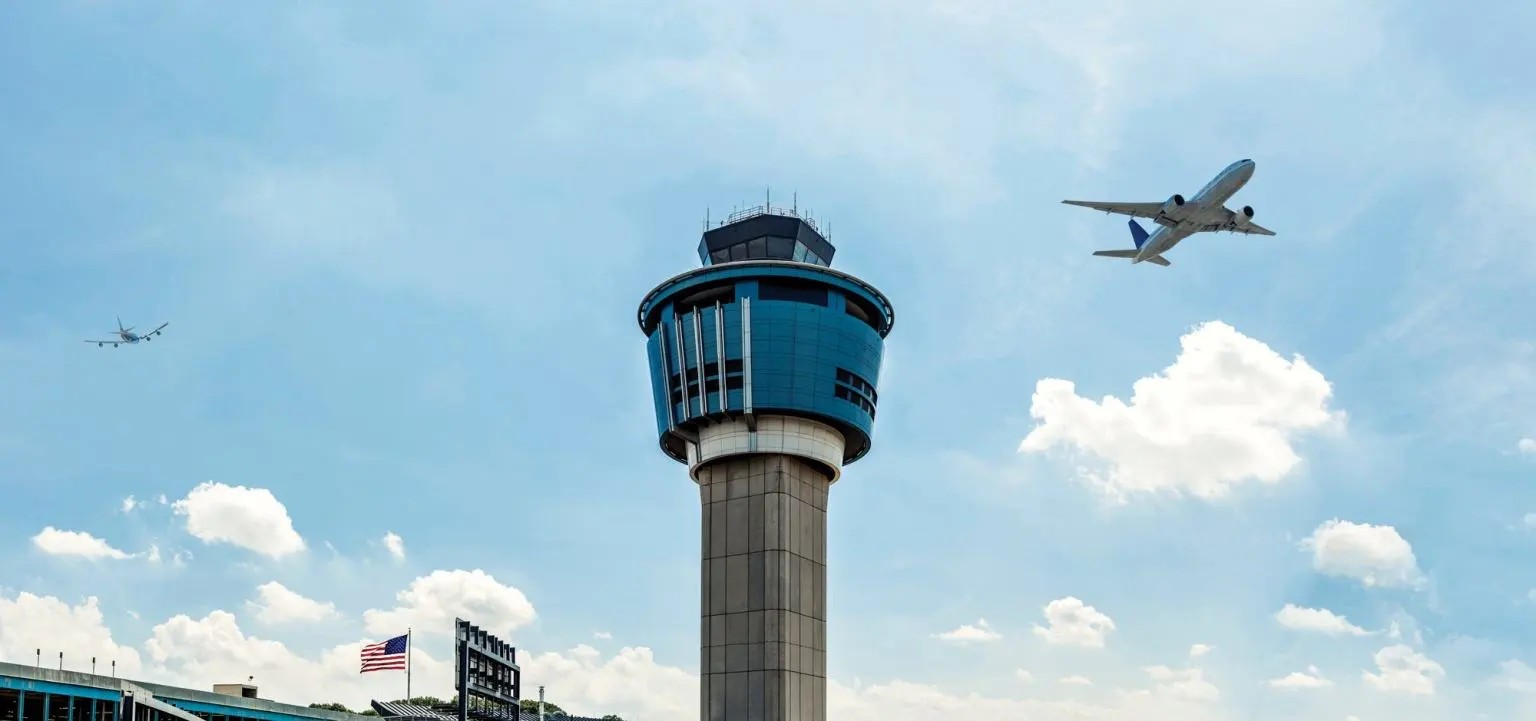
The FAA is turning to universities in order to swell the ranks of air traffic controllers. [Credit: iStock/Jason Doiy]
The FAA continues to expand its use of universities as hubs for training the next generation of air traffic controllers as it contends with a long-standing shortage of personnel.
Shenandoah University on Thursday became the 13th school and first in Virginia to join the agency’s Enhanced Air Traffic-Collegiate Training Initiative (E-CTI). The program will allow graduates to bypass the FAA Academy in Oklahoma City, where most ATCs receive initial training, and immediately begin instruction on the airspace they will one day oversee.
Shenandoah is the 10th university to join the E-CTI under the current presidential administration and the fourth of 2026. Angelo State University in Texas joined the program in May.
“This collegiate level air traffic controller training program will help young Americans build lifelong aviation careers and get us one step closer to solving our controller shortage,” U.S. Transportation Secretary Sean Duffy said in a statement Thursday.
During a congressional hearing Tuesday, FAA Administrator Bryan Bedford said there are about 11,000 certified professional controllers (CPCs) who have completed their training and are deployed at one of 313 federal ATC facilities. That figure is unchanged from April and is more than 3,500 CPCs short of the amount called for under the agency’s previous staffing blueprint.
A new workforce plan published in May offers a more favorable outlook, reducing the CPC target to 12,563 and putting the shortfall closer to 1,500 personnel. However, the National Air Traffic Controllers Association (NATCA) told FLYING it was left out of the decision to change that target.
Bedford also said there are about 4,000 controllers in the training pipeline, 900 of whom were previously certified but have relocated and are completing facility-specific training.
The FAA met its goals for hiring 2,000 ATC trainees in fiscal year 2025 (FY25) and 2,200 in FY26. The agency’s FY27 budget request includes about $95 million to hire another 2,300 trainees. But it will take years before they are certified.
Per a January Government Accountability Office (GAO) report, only about 2 percent of applicants to the FAA Academy completed their full training. That was due to normal attrition as well as a lack of instructors, who are typically CPCs themselves. The E-CTI aims to augment the Academy’s resources—its members provide the exact same curriculum as the Academy and use simulators that meet its standards.
Closing the Gap
E-CTI students who pass performance and written exams receive an official FAA endorsement certificate, allowing them to be placed directly in an agency facility. Shenandoah University’s program will feed graduates to control towers, while Angelo State’s will send them to air route traffic control centers (ARTCCs). The students will also need to pass the Air Traffic Skills Assessment (ATSA) test and meet medical and security requirements.
The program is different from the standard AT-CTI, whose graduates must still attend the Academy to receive initial qualification training before moving to facility-specific training. The E-CTI schools also have more stringent requirements around curricula, faculty expertise, and simulation equipment.
Expanding the E-CTI is one of many pillars of the government’s push to supercharge controller hiring and improve retention.
The administration has implemented starting salary increases, as well as bonuses for academy graduates, new hires, retirement-age controllers, and ATCs assigned to hard-to-staff facilities, such as those in the New York City area. It has also begun recruiting former military ATCs, private industry controllers, and even gamers.
However, Bedford on Tuesday would not commit to giving controllers and their managers and supervisors a 3.8 percent raise that was provided for by a bill passed earlier this year. According to the FAA’s May workforce plan, “most controllers still leave the controller workforce prior to reaching the mandatory [retirement] age” of 56.
Jack is a staff writer covering advanced air mobility, including everything from drones to unmanned aircraft systems to space travel—and a whole lot more. He spent close to two years reporting on drone delivery for FreightWaves, covering the biggest news and developments in the space and connecting with industry executives and experts. Jack is also a basketball aficionado, a frequent traveler and a lover of all things logistics.
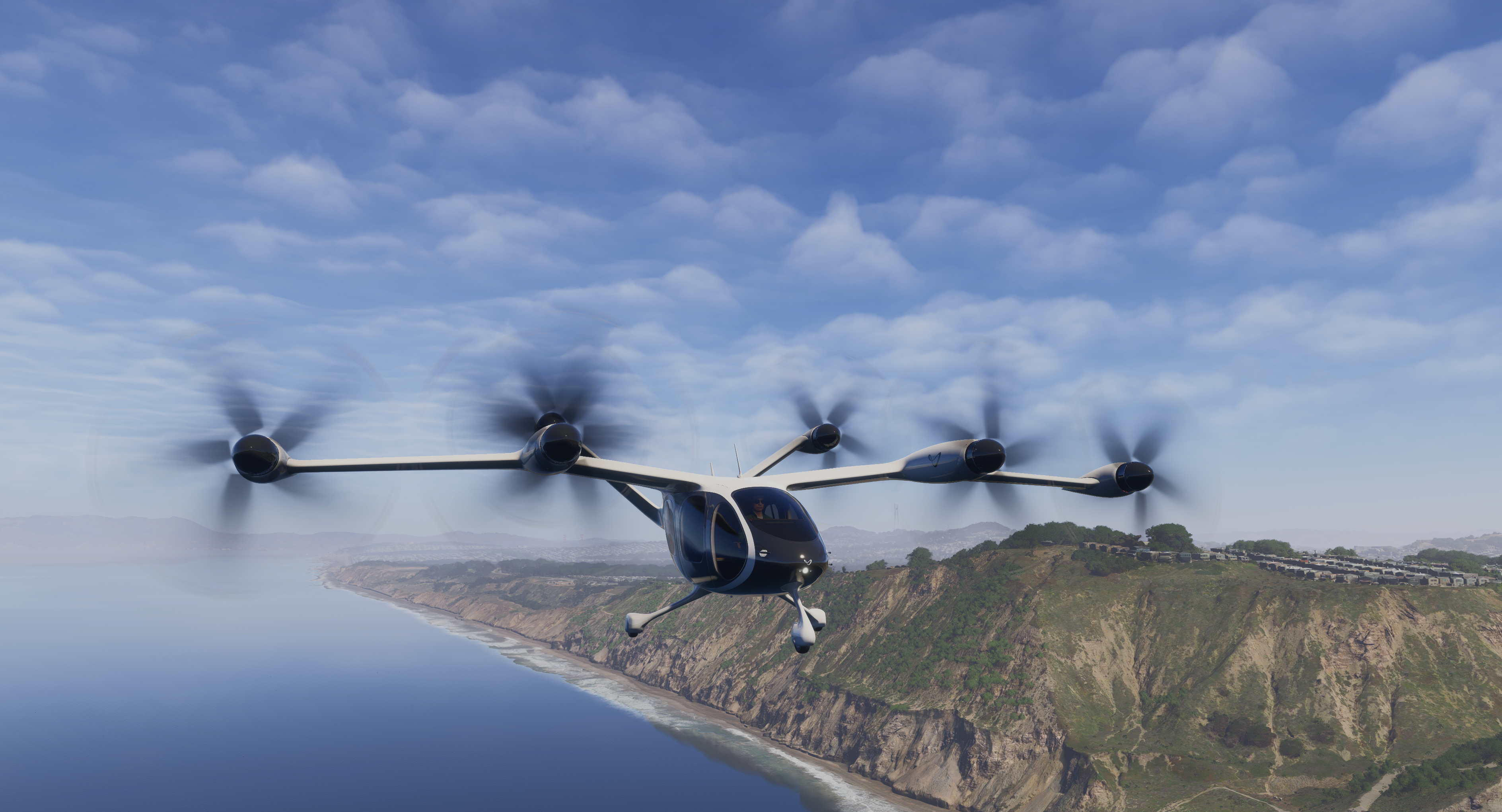
The inceptors are the primary inputs for the digital fly-by-wire flight control system. [Credit: Sean Siff/MSFS2024]
If you’ve had concerns about electric vertical takeoff and landing (eVTOL) aircraft, I’ll admit that I have too. Especially since we will soon be sharing the taxiways and airways with this new class of aircraft in the not-too-distant future.
However, after recently spending a few hours with the Joby Aviation S4 in Microsoft Flight Simulator 2024 (MSFS2024), it turns out that my preconceived notions about eVTOLs were mistaken. Flying the S4 completely changed my mind, and I plan on rotating the S4 into my regular sim flight missions on MSFS2024.
After flying it in-sim, I learned that it combines the best parts of a helicopter and airplane, and is worthy of a place in your sim hangar.
The Cockpit
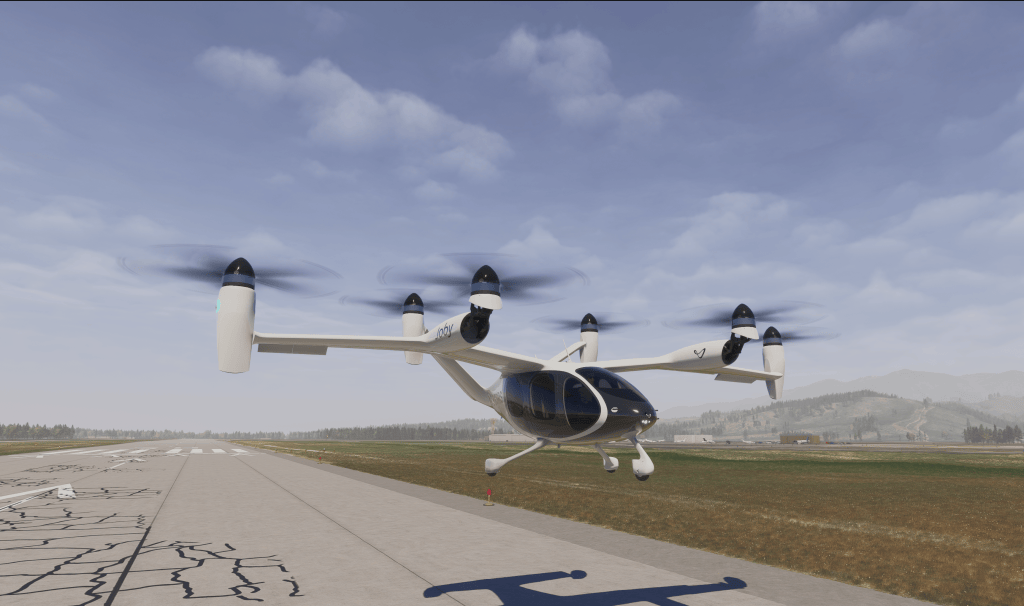
On the ramp in MSFS2024, the Joby S4 looks somewhat alien amid the other high-wing singles, business jets, and helicopters. Its six articulating, electric-motor-powered rotors, aerodynamic fuselage, and graceful elevons give it a futuristic look but somewhat insect-like proportions in the air.
If you're not already a subscriber, what are you waiting for? Subscribe today to get the issue as soon as it is released in either Print or Digital formats.
The rotors move in unison, from the upward 90-degree position for hovering and rotating forward back down to 0 degrees for cruise flight. Transitioning between the two flight modes takes approximately five seconds.
Powered by batteries alone, the S4 has a total range of 150 miles with a planned operational range of 100, leaving the additional 50 as a safety margin. This first version in MSFS2024 is designed for VFR operations, mirroring its real-world counterpart.
After researching how to fly it in-sim, I sat in the pilot’s seat, getting familiar with the cockpit and controls. The checklist on the MSFS2024 EFB was useful, but don’t forget to remove the chocks and pitot covers while outside the airplane on the ramp or use developer mode if yours are stuck and don’t come off when you click them. Hopefully, this annoying Microsoft bug will finally be squashed with the next major service update.
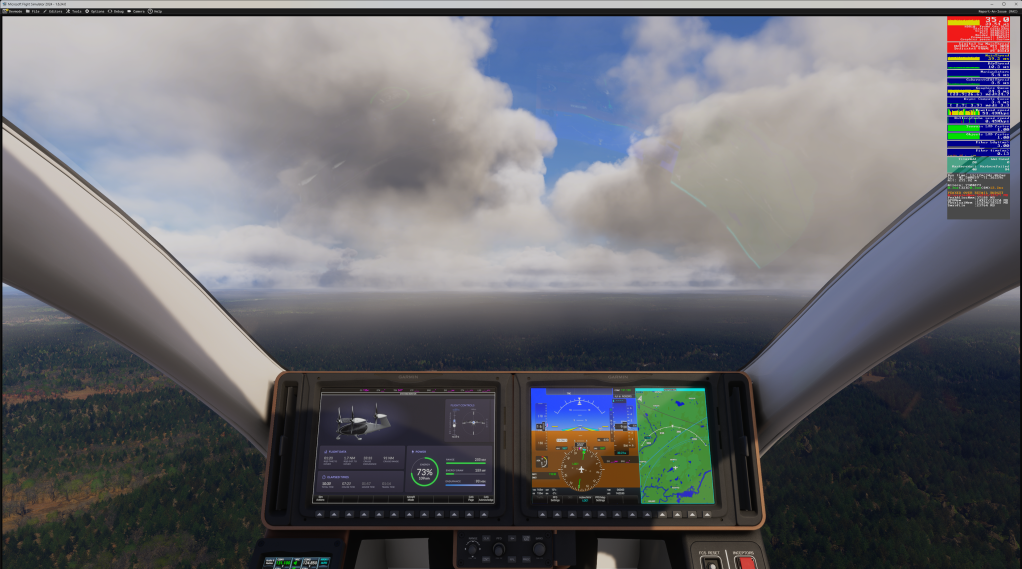
The Joby S4 has an appropriately modern cockpit to control an aircraft that can hover and cruise.
Gone from it are many familiar controls—rudder pedals and toe brakes, flaps and flap lever, elevator trim, rudder trim, and aileron trim, and no mixture or propeller levers. Joby Aviation has replaced these with two inceptors, essentially a flight stick in the right-hand position and a throttle in the left-hand position.
The pilot’s seat is centered in the front of the nose, and both inceptors are mounted ergonomically at the base of the armrests. The inceptors are the main inputs for the unified flight control system, which is all digital fly-by-wire. When the pilot moves the inceptors, a digital signal is sent to the flight control computer, which processes the commands and then sends instructions to the six rotors and the electrically driven actuators that move the ailerons and elevons—similar to an F-35 Lightning. Using both inceptors, you’ll control aircraft direction and power during all phases of flight.
Behind are four passenger seats in a two-by-two configuration, each with its own door that serves each seat. Looking forward, a Garmin G3000 system and single left-mounted GTC touch controller keep the cockpit neat and tidy, with a superb view out the windscreen and down the sides of the footrests. As there are no rudder pedals, you use a twisting movement of the right inceptor to control yaw.
Flying the Joby S4 sim on MSFS2024 may change your perspective on eVTOLs. [Credit: Sean Siff/MSFS2024]
I found the adjustment to the new controls to be intuitive and relatively quick, and I didn’t miss the rudder pedals when flying. You can use your rudder pedals in your home sim cockpit if you don’t own a twisting flight stick. Most of us are used to the traditional cockpit organization and layout of today’s general aviation fleet. Sitting in the Joby S4’s pilot seat conveys a sense of movement into the future, with a cockpit purposefully designed to be approachable and as few tactile buttons as possible.
Preflight
Your flight can begin as soon as you’ve achieved the required battery charge and confirmed the desired range needed to complete the flight. There’s no oil to be warmed or internal combustion engines to be coaxed into operation.
Getting the aircraft ready for flight was as easy as turning on the battery master switch, closing the doors (done electrically from the pilot’s seat on the G3000), turning on the exterior lights, and entering the flight plan if so desired.
Specially built for the in-sim version, one disconnects from the portable battery charger with a click of a G3000 soft key. Then, click the aircraft mode soft key on the G3000 to “FLY.” Once in FLY mode, the S4 is ready to hover, so be careful not to move the inceptors until you’re ready to fly.
There are four critical instrument quadrants on the left G3000 display. The top left is a side view of the Joby S4 that shows the transition of the rotors as they move from hovering to cruise when flying. The rotors nearest the pilot can be spotted in your peripheral vision, but it was helpful to refer to the graphic.
The most important digital instruments for flying the S4 are located on the upper-right side of the left G3000 display.
They graphically depict the position of the left inceptor, indicating how much power you are using to propel the airplane forward or hover, and the other instruments give you information about the right inceptor, the flight stick, and how your movement of that control directs the aircraft to move up or down in a hover, or what direction it will move during cruise, including up, down, right, or left. These were intuitive instruments to understand once I began flying the S4.
Battery percentage remaining, energy use, range, and endurance information change dynamically depending on what phase of flight you’re in and cruise speed selected. It was interesting to experiment in the different flight regimes with power settings to see how efficiently the S4 cruises, and how cruise speed and hovering impact energy use and thus endurance. With no manifold or oil pressure to pay attention to, I spent a lot of time looking through the generously sized windscreen as the Joby S4 began to win me over.
Taxiing and Hovering
Taxiing the aircraft took a bit of getting used to. It was actually easier to hover, with generous assistance from the flight computer keeping it stable in-air. Taxiing is also done without rudder pedals or brakes, so there’s some knack required to manage the energy.
Putting the S4 into the FLY mode, and clicking the “DECL” button on the left inceptor selects “TRC,” or translational rate control flight (hover) mode. A movement of the left inceptor forward tilts the rotors to a roughly 45-degree position and begins them spinning, causing instant forward motion.
It’s surprising at first, but stopping is easy. Simply bring the left inceptor back to the center or neutral position, the rotors whoosh down to a halt, and the S4 stops. Twisting the right interceptor steers it on the ground.
Since hovering or taxiing can begin immediately in FLY mode, having a plan before leaving your parking spot is essential.
In TRC mode, pulling the right inceptor gently aft tells the S4 to climb straight up in hover mode. You’ll max out at a leisurely 750 fpm climb, and it’s quite stable. Let your hands go from both controls, and the S4 will hover in place, gently dipping or raising a rotor-covered wing to keep the S4 in its position. To hover down for landing, pushing the right inceptor full forward brings you groundward, which you can arrest by bringing the right flight stick to neutral to touch down softly.
A fun aspect of flying the Joby S4 is practicing hover and approach techniques to smaller targets. [Credit: Sean Siff/MSFS2024]
In Hover/TRC, the flight stick controls climbing and descending, and the left inceptor moves the S4 forward or backward in the hover. Twisting the right inceptor while hovering slews the nose left or right.
Helicopter traditionalists might be annoyed with how easy it is to master the hover. Personally, my one hour of helicopter instruction in the real world remains the most challenging of logbook time I have. Although I learned I was not a natural in a Schweizer S300, I was able to hover the S4 instantly, with a lot of help from the flight computer.
Nonetheless, it was fun to practice the hover, even though it uses the most energy in that flight regime.
Hover to Cruise
Transitioning to cruise from hovering couldn’t be easier. Simply roll the left inceptor full forward, and the S4 will engage the flight computer, gently lowering the six rotors to the forward position.
Once in cruise, you’ll hear the wind noise increasing and see your indicated airspeed climb rapidly. Once out of hover, the right inceptor switches to control your roll, pitch, and yaw like a traditional airplane. You may climb, descend, or stay in level flight. Let go of the controls in cruise, and the aircraft stays where you have set the controls, and it feels extremely stable to fly in-sim.
One of the S4’s most enjoyable flight characteristics is how fast it accelerates in cruise, making it exciting to fly in-sim.
Because it can achieve its max cruise speed of roughly 170 knots quickly, cruise airspeed can be managed in two ways—use the left inceptor as a “throttle,” giving you full control over your airspeed; Or use the SPD hat switch on the left inceptor handle. Clicking it forward sets cruise speed as indicated by a flag on the top of the vertical airspeed tape on the right G3000 display.
Although not yet official since the S4 is still in the FAA certification process, the Joby team gave the S4 in-sim a max cruise speed (VNE) of 180 knots, although the real-world aircraft is expected to cruise in the low-to-mid-160-knot range. Adjusting the left inceptor manually while in “SPEED” mode immediately turns off the cruise speed limit set by the SPD hat switch, giving the pilot immediate airspeed control.
The SPD switch can also be used to lower the cruise speed by clicking it backward toward the pilot, which will lower it in 10-knot increments, immediately slowing the rotors. The S4 quickly and smoothly accelerated and decelerated as commanded when using the SPD switch, making arrivals into an airport traffic pattern a cinch.
The S4 adds and sheds speed fast, so I preferred managing airspeed with the hat switch and then pointing the aircraft where to go with the flight stick. With the flight computer backing you up, the S4 responds predictably to power lever and flight stick inputs, making coordinated turns achievable with a small twist of the right-hand inceptor, imitating a gentle press of a rudder pedal in a traditional airplane.
Managing the Transitions
One of the fun parts of flying the Joby S4 is deciding whether to slow it into a hover, required for a landing at a helipad-sized target or to land it more like a traditional high-wing airplane on a runway. The more I flew the aircraft, the more I opted to transition into a hover and practice my approach to increasingly smaller landing targets.
Moving from cruise flight to hovering is done by managing the airspeed. I found it easiest to back press the SPD hat switch, reducing the Joby’s airspeed in 10-knot increments until it reached roughly 70 knots. Then, clicking the DECL button below the hat switch moves the S4 from cruise flight to hover mode, indicated by the “TCR” light on the top info panel. At 50 knots, the S4 enters hover mode with the flight control stick reverting to up/down/side-to-side commands, and forward and backward movement controlled by the left interceptor.
Upon touchdown, the pilot brings the left inceptor to the neutral/middle position, and the rotors wind down together with one final whoosh. The pilot then presses the flight mode button soft key on the left G3000 display to “LOAD” mode, allowing door operations and the portable charger to be plugged into the ports under the wings. LOAD is a safety mode, and any inputs to the inceptors are null.
One of the joys of flying the Joby S4 in-sim is having complete freedom to decide when to operate it like a helicopter, hovering and landing at will, or to cruise deftly along like an airplane at 170 knots. I recommend you try flying the Joby S4 in MSFS2024, and you’ll find it in your digital hangar available in all editions of the title.
SimLab Flight Gear Update
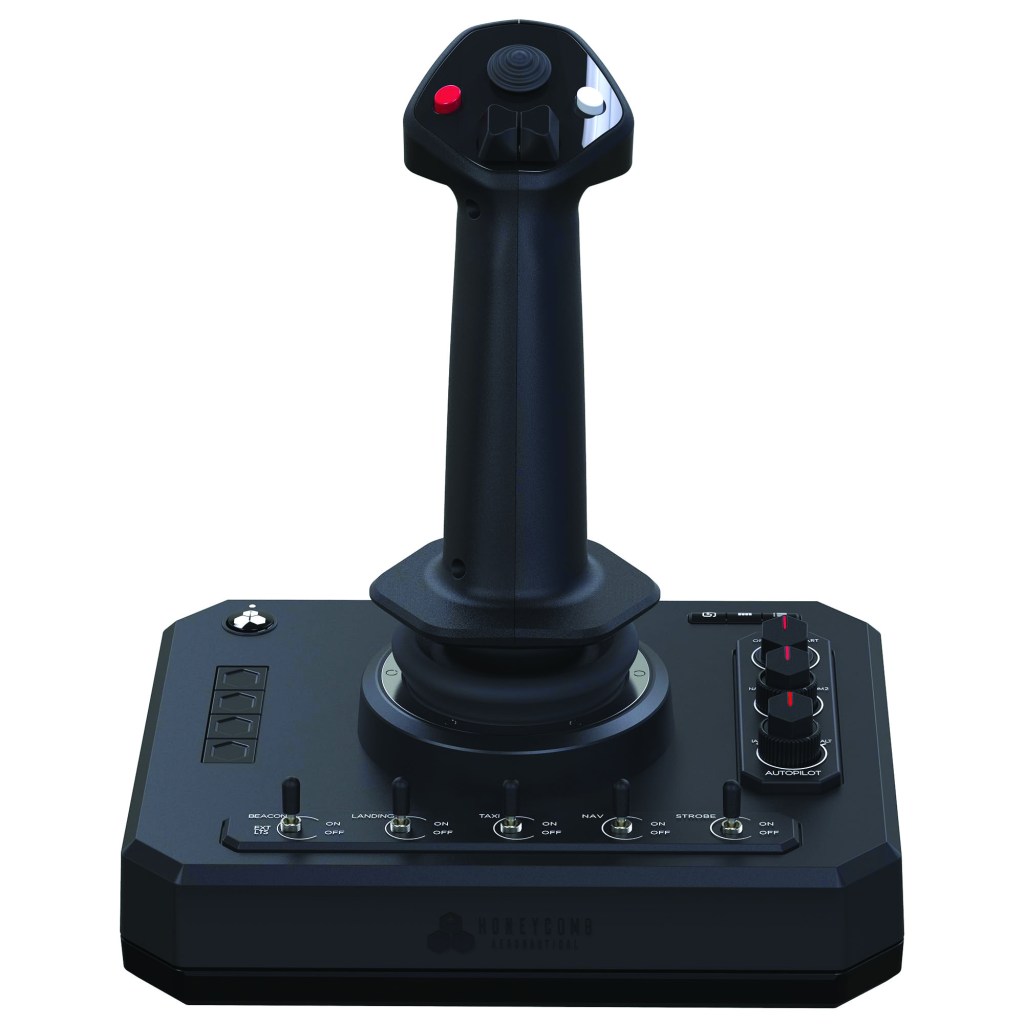
I wanted to replicate the Joby S4’s controls as close as possible to the real aircraft, so I got in touch with the Honeycomb Flight Controls team as I was eager to test out the new Foxtrot Flight Stick.
The Honeycomb Bravo throttle quadrant is one of my favorite pieces of flight sim cockpit gear, and I was keen to fly with the company’s latest entrant, the Foxtrot. Since a twisting flight stick replicates the S4’s right-hand inceptor, the Honeycomb Foxtrot was just right in terms of form and function.
Foxtrot Flight Stick [Credit: Honeycomb]
In flight, the flight stick was precise and adequately sprung for those fine inputs that helped to increase overall immersion. Importantly, the Foxtrot is ambidextrous, allowing you to grip the stick with either the left or right hand, providing maximum flexibility for flying left-handed cockpits like a Cirrus Vision Jet or Airbus airliner, a right-handed stick position like the Joby S4 or an F-16, or a center-positioned flight stick like a Spitfire, P-51 Mustang, or Carbon Cub.
Honeycomb engineers packed the base of the stick with high-quality lighting switches and programmable multiposition encoder knobs, one for the APU and start-engine duties and another for the autopilot. Providing these extra switches and knobs is part of their design philosophy, giving the flight sim pilot a lot of extra value.
You can also program the buttons and switches as you see fit. I used the switches on top of the flight stick to control the S4’s few switches.
This column first appeared in the July Issue 972 of the FLYING print edition.
Sean Siff is a private pilot who has worked in marketing in the aviation industry. He’s an active flight sim user as he works to stay current in the airplane.
GA aircraft with maximum landing weight under 12,500 pounds could on occasion pay $150 to use KAUS runways. [Credit: Shutterstock]
Austin-Bergstrom International Airport plans to levy new landing, fuel, and surge fees on general aviation aircraft beginning in October, according to correspondences between airport managers and city officials. Under the recommended changes, aircraft with maximum landing weight (MLW) under 12,500 pounds could on occasion pay $150 to use KAUS runways.
The new fees originate from a 2025 Austin City Council resolution that directed stakeholders to “explore and evaluate the feasibility” of tiered GA landing fees; increased fuel flowage fees and hangar rental rates; and surge pricing for tie-downs, ramp usage, and landing fees during “high-traffic events” such as football games, NASCAR races, or festivals.
The Austin Current reported that the fees are expected to generate hundreds of thousands of dollars in new airport revenue. Austin-Bergstrom is undergoing a multibillion-dollar expansion and renovation. Over the next decade, the project seeks to add 32 new gates, an arrivals and departures hall, and thousands of square feet of concourse and other space while expanding ramp operations.
According to the airport, its net revenues will cover 22 percent of the project’s funding, with the majority covered by revenue bonds.
The new fees could take effect by October 1, according to a memo obtained by the Current and dated March 11. The digital news outlet quoted Vanessa Fuentes, the city council member who authored the 2025 resolution, as saying users of private jets should “pay their fair share.” However, the recommended charges would also cover light GA aircraft.
Tom Chandler, a regional manager for the Aircraft Owners and Pilots Association (AOPA), told the Current that new fees could negatively impact the “vast majority” of its members who pay them out of pocket, including flight students.
What GA Pilots Need to Know
The Current reported on recommended fees contained in the March 11 memo. A more recent correspondence dated June 12 contains slightly different recommendations.
The memo was sent by the CEO of Austin Aviation—which manages operations, development, industry relationships, finances, and external affairs for KAUS—to the city council and Austin Mayor Kirk Watson. Austin Aviation said the changes it recommended would keep the airport “competitive among Texas airports, while still generating new airport revenue.”
Per the memo, the new GA landing fees were derived from “benchmarking of other airports of similar size” in Texas. For aircraft with MLW greater than 12,500 pounds and owned by entities that are not part of the airport’s Airline Use and Lease Agreement (AULA), the fee would be the same as the non-signatory landing fee. That charge is calculated annually.
Aircraft with MLW of 12,500 pounds or less would be charged a flat $50 fee, which Austin Aviation said is similar to other airports but could also be adjusted annually.
It said the fees are intended to “more justly balance usage costs between commercial and non-commercial users” and will be communicated with FBOs and other tenants before taking effect. They could also impact non-wealthy airport users.
“To get a private pilot’s license, you’ve got to have 10 takeoffs and landings at a controlled airport,” Chandler told the Current. “Bam. There’s $500 at $50 a piece.”
As outlined in the June memo, fuel flowage fees would initially rise from 10 cents to 12 cents per gallon. They would then increase by 2 cents annually for five years up to 20 cents per gallon.
Austin Aviation said both the fuel flowage and GA landing fees would “exclusively support” maintenance and capital improvements for the airport’s runway and taxiway system.
On top of the landing fees, GA airport users would face a $100 flat fee during “special events.” That means owners of small GA airplanes with MLW of 12,500 pounds or lower could pay up to $150 to land.
Austin Aviation also recommended adjusting T-hangar rental rates by 5 percent annually over the next three years, more than what it suggested in March.
Jack is a staff writer covering advanced air mobility, including everything from drones to unmanned aircraft systems to space travel—and a whole lot more. He spent close to two years reporting on drone delivery for FreightWaves, covering the biggest news and developments in the space and connecting with industry executives and experts. Jack is also a basketball aficionado, a frequent traveler and a lover of all things logistics.
A documentary film based on a book and a one-woman show about Jacqueline Cochran goes beyond the searchable information into the backstory of this self-made, highly accomplished and complicated aviator. [Credit: Museum of Flight]
When you ask the average person to name a famous woman pilot, odds are good that they will reply “Amelia Earhart.”
Earhart experienced a relatively short aviation career—a mere nine years before she disappeared while attempting to fly around the world.
Jaqueline “Jackie” Cochran, a contemporary of Earhart’s, enjoyed a career that spanned several decades and included setting records and shattering so-called glass ceilings, but she’s rarely remembered.
That may change with the release of The Flight of Jackie Cochran, a documentary about one of the most accomplished and complicated aviators in history. On Saturday, the film will be shown at the Museum of Flight in Seattle as part of the Wings of Courage national tour.
Jessica Anderson directed the movie, which is based on a one-woman show by Nancy Hasty, a playwright and actress who acquired the rights to the book Superwoman Jacqueline Cochran by Beth Dees and Billie Pittman Ayers, who is a niece of Cochran’s. Hasty crafted the book into a riveting one-woman play, with excerpts from it being part of the documentary.
Cochran, who died in 1980 at 74, was known as a strong-willed, determined, and persuasive woman as well as being exceptionally attractive and feminine, always checking her makeup at the end of a flight before exiting the cockpit. At the same time, she could be ruthless in her determination.
Hasty conveys that in her performance in the documentary as she talks about Cochran’s grit to make something of herself and her accomplishments as an aviator and a businesswoman.
The 3 p.m. PDT screening is free with admission to the Museum of Flight. Anderson and Hasty will be on location for a discussion following the movie.
About the Documentary
Based on historical records, interviews with family members, and Cochran’s statements, the documentary takes a deep dive into a complicated, self-made woman.
Born in 1906 as Bessie Lee Pittman in Muscogee, Florida, the film follows her complicated childhood and adolescence, leading to her decision to separate from her family and her past to the extent that she not only changed her name but also her origin story. When she became a famous pilot, she said she was an orphan, when in reality her family was still alive.
Her relationships with men are noted. When she was 14, she married Robert Cochran, who was significantly older than her. She kept his surname after they divorced. She first worked in the cosmetics industry in a beauty parlor then moved to New York to work the makeup counter at Saks Fifth Avenue.
In 1932 she met billionaire Floyd Odlum. She talked to Odlum about her desire to start a cosmetics company of her own. He suggested that she become a pilot so she could travel more efficiently as she grew her new business.
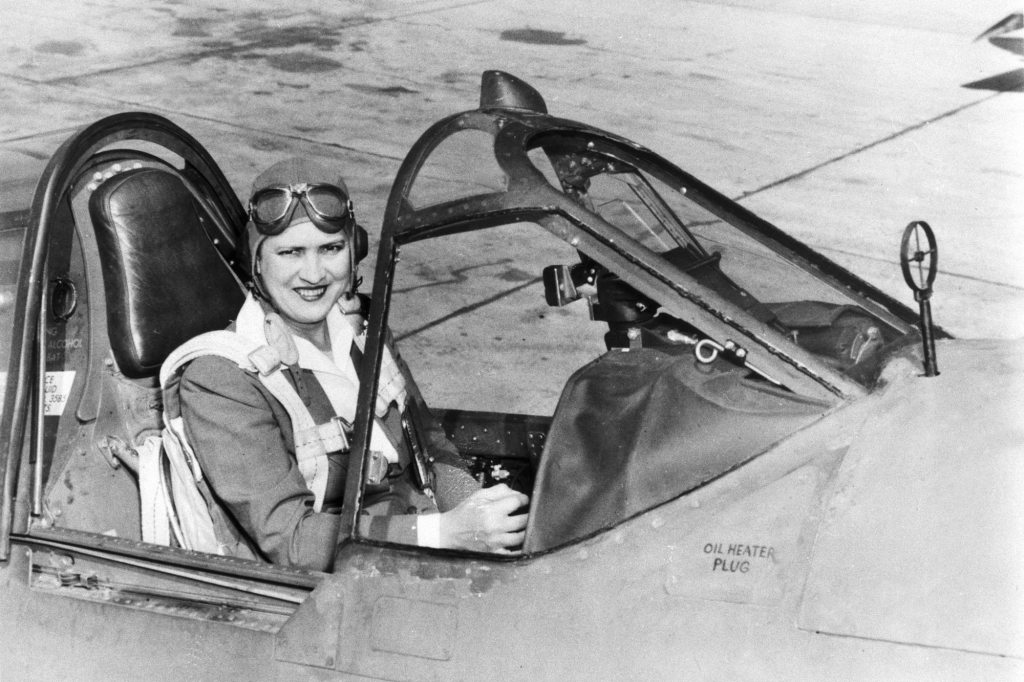
She earned her pilot certificate in three weeks and would never hang up her wings. She became an accomplished air racer and aviation record setter, including the first woman to break the sound barrier.
Jackie Cochran earned her pilot certificate in just three weeks. [Credit: National Aviation Hall of Fame]
However, Cochran is perhaps best known for being the driving force behind the creation of the Women Airforce Service Pilots (WASPs). She had powerful friends in high places, including military officers, presidents, and business leaders.
“But still very few people know who she was,” said Anderson. “Jackie Cochran is the most famous female pilot people have never heard of. People remember Earhart—she and Jackie were friends. People remember Earhart because she was lost, and people remember the dead and those who were lost.”
The documentary took approximately three and a half years to create and complete, according to Anderson. She said it also takes a look at the psyche of Cochran, who was known for being assertive, abrasive, and persuasive but often somewhat threatening to those around her not accustomed to a woman who brought so much energy and charisma into rooms that were, for the most part, dominated by men.
“We wanted to create something beyond what you can Google,” Anderson said. “We wanted the good and the bad to get into why she did what she did and the forces that shaped her behavior, and why she changed her name and disowned her family publicly then privately supported them for so many years.”
Here’s the tour screening schedule:
Saturday: Museum of Flight, Seattle
September 25: Mystic Film Festival, Mystic, Connecticut
September 25: San Diego Air & Space Museum, California
September 26: Palm Springs Air Museum, California
October 24: Golden Isles Film Festival, Brunswick, Georgia
November 12: Turner Center for the Arts, Valdosta, Georgia
Meg Godlewski has been an aviation journalist for more than 24 years and a CFI for more than 20 years. If she is not flying or teaching aviation, she is writing about it. Meg is a founding member of the Pilot Proficiency Center at EAA AirVenture and excels at the application of simulation technology to flatten the learning curve. Follow Meg on Twitter @2Lewski.
The airport at Seldovia, about 136 miles southwest of Anchorage, Alaska [Credit: Rebecca Douglas/Alaska Department of Transportation and Public Facilities]
Witnesses said that a Piper PA-24-260 single-engine Comanche that crashed near Alaska’s Seldovia Airport (PASO) last month, killing the pilot and three passengers, was approaching the runway unusually low and fast, according to the NTSB’s preliminary report on the accident.
The aircraft went off the end of the gravel runway, coming to rest in the Seldovia Slough. Aerial photographs of the airport show water off both the approach and departure ends of the runway.
Per the report, published Wednesday, one witness said the aircraft bounced three times on Runway 16 and that he “heard the engine go to full throttle,” indicating that the pilot may have attempted to go around. It appeared the nosewheel hit the ground first. After hearing the sound of the engine throttling up, he said the aircraft “pitched up very high and possibly had a tail strike.”
According to the preliminary investigation by the Alaska Department of Public Safety in August, the Piper submerged completely in the water adjacent to the airport. People at the scene tried to rescue the four occupants but could not reach them, the Anchorage Daily News reported.
Per the NTSB’s preliminary report, the airplane departed Anchorage’s Merrill Field Airport (PAMR) on a Part 91 personal flight to Seldovia. The incident occurred around 1:17 p.m. local time on August 26.
A second witness described the PA-24 as flying “unusually low to the ground” past the end of the runway when attempting to land in the opposite direction of other traffic he had observed.
Multiple witnesses recalled the airplane “impacting a tree before descending into the water.”
Runway 16 measures 1,845 feet. According to the FAA’s chart supplement cited by the NTSB, the runway has obstacles in the form of 158-foot trees approximately 1,735 feet from the runway threshold and 110 ft left of the centerline.
Seldovia Airport’s Automated Surface Observing System (ASOS) weather station reported wind from 020 at 5 knots with wind gusts at 9 knots at the time of the accident. Visibility was 10 statute miles, and temperature was 55.4 degrees Fahrenheit.
All information in the report is preliminary and subject to change as the NTSB continues to investigate.
The accident occurred less than one week after a chartered Cessna 441 crashed in a remote part of Alaska, killing both pilots and all six passengers.
Jack is a staff writer covering advanced air mobility, including everything from drones to unmanned aircraft systems to space travel—and a whole lot more. He spent close to two years reporting on drone delivery for FreightWaves, covering the biggest news and developments in the space and connecting with industry executives and experts. Jack is also a basketball aficionado, a frequent traveler and a lover of all things logistics.
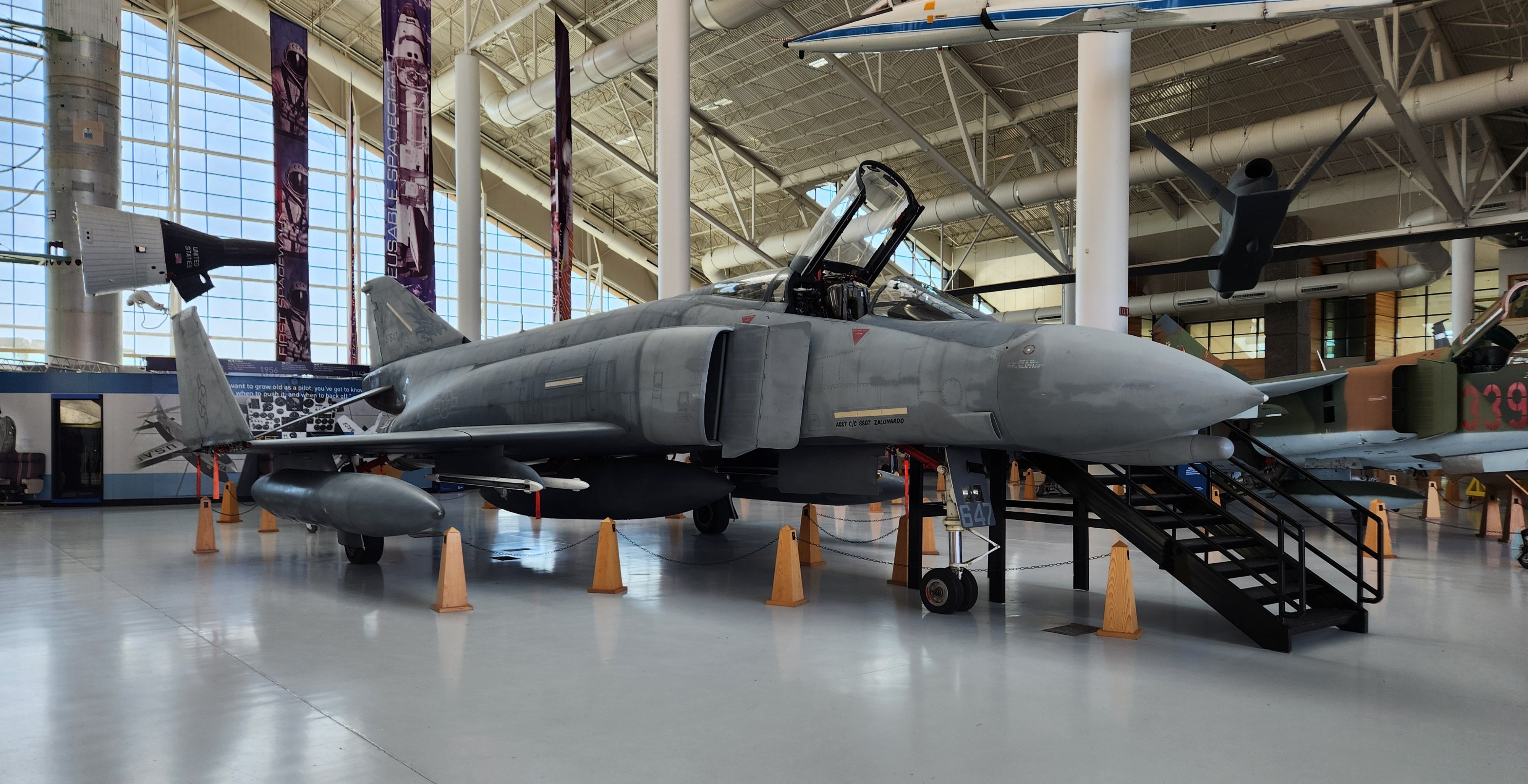
F-4 Phantom on display at the North American Aerospace Museum in McMinniville, Oregon [Credit: Terry Howell/NAAM]
For warbird enthusiasts, nothing compares to seeing the best designs America has to offer from each generation of fighters. That is unless they are paired with the aircraft they went up against in the not-so-friendly skies.
That’s what you will find at the North American Aerospace Museum (NAAM), formerly known as the Evergreen Aviation & Space Museum, in McMinnville, Oregon.
According to officials, the NAAM collection spans “four generations” of fighters, referencing the constant evolution of designs in response to changes in technology and mission and resulting in aircraft with different capabilities and higher performance.
Defining the generations is challenging, according to Terry Howell, NAAM’s chief operating officer, because quite often technology from one generation helped with the evolution of the next. This is especially true with MiG designs from the Soviet Union.
“[Our collection] includes the earliest examples of WWI and WWII fighters, but our Fighter Town USA exhibit is focused on our collection of fighter jets that covers more than five decades of both U.S. and Soviet fighters from 1942 to 1954,” Howell said.
The museum’s first generation fighters represent the earliest production models powered by jet engines, including the following aircraft:
• Germany: Messerschmitt 262 Schwalbe
• United Kingdom: DH-112 Venom
• United States: FJ-3 Fury, F-84 Thunderstreak, and F-86 Sabre
• Soviet Union: MiG-15 Midget and MiG-17 Fresco
The second generation is represented by the following aircraft:
• United States: F-100 Super Sabre (Misty), F-101 Voodoo, F-102 Delta Dagger, F-104 Starfighter, F-105 Thunderchief, and F-106 Delta Dart
• Soviet Union: MiG 21 and variants that bled over into gen 3.
These aircraft were faster than their predecessors, and their avionics were the first to have air-to-air radar. These designs also were the first to achieve supersonic flight. They were also the first to have semi-guided missile systems.
The third generation includes the following aircraft:
• United States: F-4 Phantom
• USSR: MiG-23 Flogger and MiG 21 Fishbed
These fighters brought forth improvements that resulted in greater maneuverability, more modern avionics, pulse radar, and increased weapon payloads that ensured greater tactical roles.
The fourth generation aircraft are marked by improved avionics, such as the head-up displays, advanced aerodynamic design, such as variable sweep wings, and fly-by-wire technology, including the following aircraft:
• United States: F-15 Eagle and F-14 Tomcat
• Soviet Union: MiG-29 Fulcrum (presently on display outside the museum awaiting restoration)
The aircraft are arranged throughout the museum, interwoven with other exhibits that help tell the story of aviation.
Meg Godlewski has been an aviation journalist for more than 24 years and a CFI for more than 20 years. If she is not flying or teaching aviation, she is writing about it. Meg is a founding member of the Pilot Proficiency Center at EAA AirVenture and excels at the application of simulation technology to flatten the learning curve. Follow Meg on Twitter @2Lewski.
Onboard cameras capture Flight 13 of Starship in July. The upcoming Flight 14 could be the rocket’s first trip to orbit. [Credit: SpaceX]
SpaceX on Tuesday announced that the 14th test flight of its Starship rocket will launch as soon as September 22, bringing with it more airspace restrictions for pilots and excitement for space enthusiasts.
Flight 14 of Starship—which stands about 400 feet tall when stacked on its Super Heavy booster—will be a big one for SpaceX. The company said it will attempt the ship’s first orbital test flight, whereas the previous 13 missions have all been suborbital. Also unlike previous missions, Starship is intended to splash down in the Pacific Ocean, likely requiring different aircraft hazard areas (AHAs) than prior flights.
Starship exploded on two testflights in early 2025, requiring the FAA to activate debris response areas (DRAs) to divert aircraft away from falling debris. Those measures kept pilots out of harm’s way, with no reports of aircraft being hit by debris in either incident.
The FAA will have the same tools at its disposal for the more ambitious Flight 14, for which AHAs and potential DRAs have not yet been communicated. But more information should be forthcoming in the days ahead.
Starship Flight 14: What Pilots Need to Know
Air traffic control (ATC) uses temporary flight restrictions (TFRs), stationary altitude reservation (ALTRV), ATC-Assigned Airspace (ATCAA), and other measures to create AHAs. The hazard areas are relayed to pilots via Notices to Airmen (NOTAMs) about 48 to 72 hours in advance of a planned launch, according to the FAA Safety Briefing Magazine.
Starship Flight 14 will launch from Starbase in south Texas. The mission’s 75-minute launch window will open at 8:15 a.m. EDT on Tuesday, September 22, per SpaceX. According to the FAA’s current operations plan, a backup window would open at the same time the following day should the initial attempt be scrubbed.
Starship test flight AHAs have expanded as SpaceX has introduced larger, more powerful variants that pose greater risk of hazards should they suffer anomalies. The current Version 3 (V3) Starship is the largest yet, designed to deliver 100 metric tons of payload to low-Earth orbit (LEO). AHAs could continue to grow in the future with more complex mission profiles.
When a spacecraft does suffer an anomaly, the FAA activates a DRA to warn aircraft in the vicinity of the potential for falling debris, diverting them or placing them in holding patterns until the area is clear. Starship has experienced anomalies on about half of its test flights, though not all required DRAs.
Pilots planning to fly on September 22 or 23 should take extra care to study NOTAMs. Ops Group, a community of about 10,000 pilots, flight dispatchers, schedulers, and controllers that runs a digital blog, contends that the notices were not designed to cover the true impact of launching a spacecraft as large as Starship.
In August, Ops Group in a blog post said one of its members, a medevac jet pilot, departed an airport in Guatemala and was unexpectedly turned around by ATC near the Belize-Mexico border after SpaceX launched Starship Flight 13 on July 24.
“The crew briefed normally, via ForeFlight, before departure,” the post reads. “The key problem is that the system they were relying on wasn’t built for what a major SpaceX launch actually does to the airspace.”
The AHAs for Flight 13 crossed multiple flight information regions (FIRs), each of which must publish its own NOTAM, creating a patchwork of airspace restrictions. Mexico and Cuba each issued their own warnings covering their respective airspace.
“Only if you plot every FIR’s NOTAMs together do you see the whole thing adds up to an east/west wall blocking traffic spanning from Southern Texas, across the Gulf and Caribbean, all the way down to Barbados and the Lesser Antilles,” the blog post reads.
The FAA as of Wednesday has not shared Flight 14 restrictions for U.S. airspace. But it did publish on federal NOTAM systems twoNOTAMs for Mexico’s FIR. Each includes a list of coordinates that outline “dangerous areas” for Flight 14.
The FAA did not respond to FLYING’s inquiry about when AHAs for U.S. airspace might be available. Pilots should check for them in the days and hours leading up to the planned launch.
The agency in January advised pilots to use “extreme caution” when flying below the trajectory of commercial spacecraft.
What Space Enthusiasts Should Look For
Starship Flight 14 could be the first test flight to send the rocket into orbit, whereas previous suborbital missions have forced the ship back to Earth before it could circle the planet. It will need to hit speeds close to 17,500 mph to counteract the pull of Earth’s gravity.
“A useful way to visualize the concept involves firing a cannonball,” SpaceX wrote in a Tuesday update. “The more power you fire it with, the longer it will travel before gravity pulls it down in an arc to the ground. Fire it with enough power and the ground keeps dropping out from under the ball. That resulting endless freefall is being in orbit.”
Starship’s first 13 test flights flew what SpaceX described as a “passively safe suborbital trajectory,” which “effectively meant that when Starship’s engines turned off at the end of its ascent burn, it did not have the forward velocity necessary to achieve orbit.”
“These trajectories are considered ‘passively safe’ because even if control over the spacecraft was completely lost, it was already on a path to reenter the atmosphere and splash down in a predetermined location,” the company said.
Starship on Flight 14 will begin its mission in the same passively safe suborbital trajectory as previous missions. It will have the opportunity to remain on that flight path should SpaceX determine an orbital trajectory is unsafe.
“Starship will only execute a burn to enter orbit after the flight control team has ensured there is sufficient redundancy on hardware critical to doing the subsequent deorbit burn at the end of the mission,” the company wrote.
The ship could also deorbit at “multiple predetermined areas over the ocean” should personnel discover issues with its power, attitude control, propellant tanks, or flight computers and navigation sensors.
SpaceX said that by reaching orbit, the “next phase of developing Starship to be fully and rapidly reusable can begin.” The company has caught and reflown the rocket’s Super Heavy booster but not its upper stage. That is one of the targets it hopes to achieve on upcoming missions, though Flight 14 will not attempt an upper stage catch.
Instead, the primary goal is for the ship to fly about 275 kilometers above Earth and complete approximately six orbits around the planet over the course of a nearly 10-hour flight. Another objective will be to complete the first deployment of operational, next-generation Starlink V3 satellites, which previous iterations of Starship were not capable of deploying. The ship will carry 26 V3 satellites, SpaceX said.
Following the deployment, the plan is for the vehicle to execute a deorbit burn and make a controlled reentry, descent, and splashdown in the Pacific Ocean. Flight 9 in 2025 experienced an uncontrolled reentry, which can pose more danger to areas below the flight path, after it lost attitude control following an anomaly.
According to NASA’s Orbital Debris Program Office, a controlled reentry normally uses more propellant and a larger propulsion system to achieve a steeper flight path angle when a rocket reenters the atmosphere. That will be the goal for Flight 14. But as SpaceX noted, it will forgo an orbital mission if it believes the ship to be incapable of performing a deorbit burn, which would put it on that steeper reentry trajectory.
If the launch proceeds nominally, Starship is expected to reenter the atmosphere about nine hours and 30 minutes after launch. Should it reach that point, there will be “excitement guaranteed,” in SpaceX’s parlance.
Flight 14 will be streamed live on SpaceX’s website and X account.
Jack is a staff writer covering advanced air mobility, including everything from drones to unmanned aircraft systems to space travel—and a whole lot more. He spent close to two years reporting on drone delivery for FreightWaves, covering the biggest news and developments in the space and connecting with industry executives and experts. Jack is also a basketball aficionado, a frequent traveler and a lover of all things logistics.
Sign-up for newsletters & special offers!
Get the latest stories & special offers delivered directly to your inbox.