














Register

GAMA Has Questions for the FAA About eVTOL Certification

Now that the FAA is changing the path for electric air taxi certification, manufacturers, industry veterans, and a former FAA official weigh in.

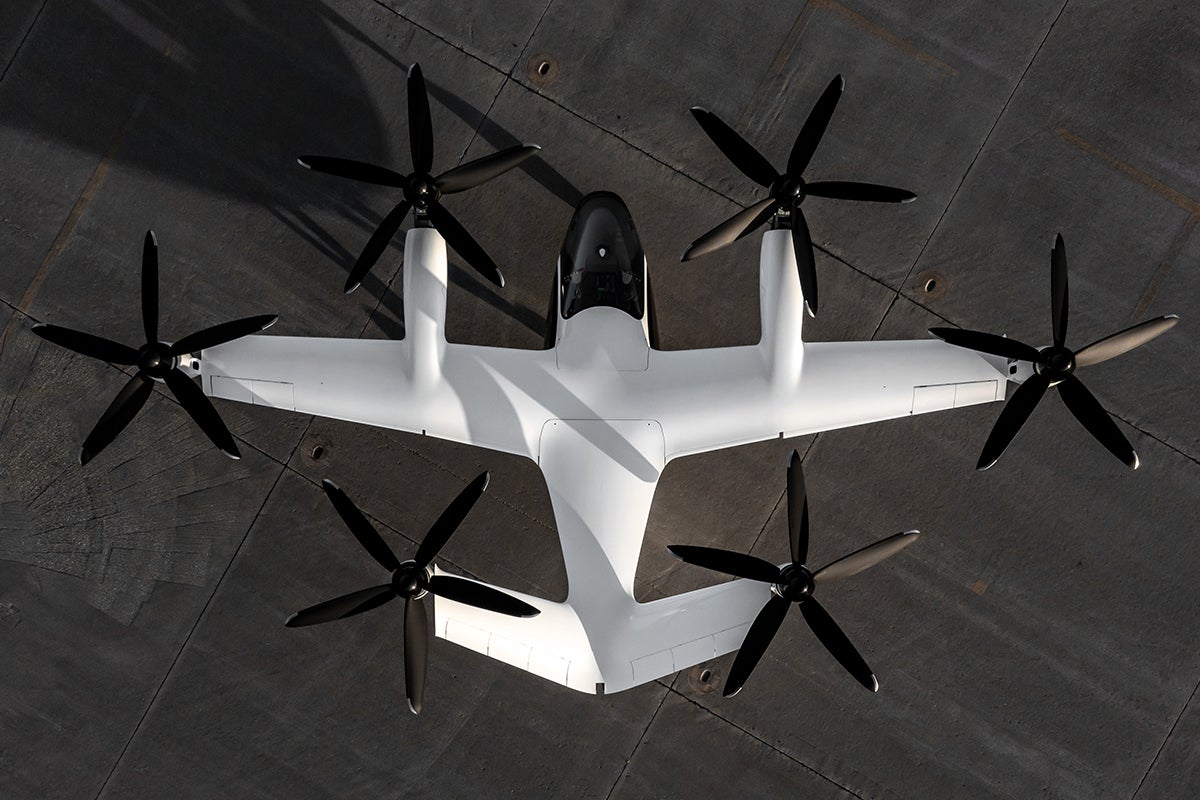
Joby Air Taxi Prototype seen from above
Joby Aviation says certification of its tilt-rotor electric air taxi, currently under development, will not be affected by the FAA changes. [Courtesy: Joby Aviation]
Gemini Sparkle

Key Takeaways:

  • The FAA unexpectedly changed the certification path for eVTOL aircraft from FAR Part 21.17(a) to a "special class" process under FAR 21.17(b) for powered-lift aircraft, disrupting manufacturers who had been following the previous guidance for years.
  • This shift has raised significant industry concerns regarding potential delays in production and service entry, increased workload for defining unique certification bases for each design, and complications for international bilateral verification with other aviation authorities.
  • The FAA attributes the change to the rapid technological evolution of eVTOLs and the need for specific pilot training and operational standards for powered-lift aircraft, while assuring manufacturers that their prior certification work will largely remain valid.
  • Despite initial frustration over the lack of transparency, the eVTOL industry is now actively collaborating with the FAA to clarify the new process, leverage existing Part 23 airworthiness standards, and ensure that development and service timelines can still be met.
See a mistake? Contact us.

It’s been six weeks since the FAA acknowledged it was changing a previously agreed on path to certificating electric vertical takeoff and landing (eVTOL) aircraft. Now comes the hard part for developers of these new battery-enabled hovering passenger and cargo air taxis: Figuring out specifically what the changes mean and how to move forward. 

The nascent eVTOL industry is backed by high-profile companies—including Boeing, Toyota, United Airlines, and Uber. Industry leaders, such as Joby Aviation, Archer Aviation, and Beta Technologies, have been progressing toward FAA certification after test flying full-sized prototypes for years, some of them planning to enter service as soon as 2024. 

Thom Patterson

Thom is a former senior editor for FLYING. Previously, his freelance reporting appeared in aviation industry magazines. Thom also spent three decades as a TV and digital journalist at CNN’s bureaus in Washington and Atlanta, eventually specializing in aviation. He has reported from air shows in Oshkosh, Farnborough and Paris. Follow Thom on Twitter @thompatterson.

Ready to Sell Your Aircraft?

List your airplane on AircraftForSale.com and reach qualified buyers.

List Your Aircraft
AircraftForSale Logo | FLYING Logo
Pilot in aircraft
Sign-up for newsletters & special offers!

Get the latest stories & special offers delivered directly to your inbox.

SUBSCRIBE

