
Firefly Investigating Engine Failure That Led to Early Termination
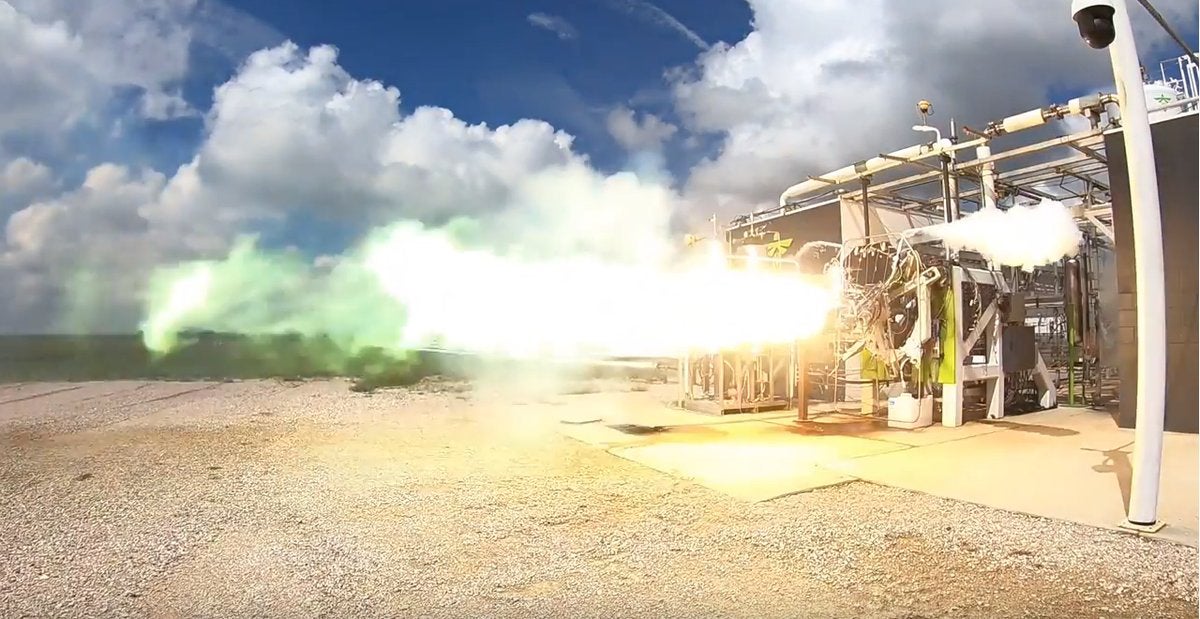
The company is investigating why one of the rocket’s four engines failed. Firefly Aerospace
Gemini Sparkle

Key Takeaways:

  • Firefly Aerospace's Alpha rocket detonated during its inaugural launch due to an early shutdown of one of its four engines 15 seconds into flight, which led to a loss of control.
  • The detonation was a result of the Flight Termination System being activated due to the control loss, rather than an uncontrolled explosion of the rocket itself.
  • Despite the premature termination, Firefly declared the flight "very successful," citing the collection of valuable flight data and the successful operation of the vehicle's initial launch and control systems.
  • An investigation is underway to determine the precise cause of the engine shutdown, with plans for Alpha Flight 2 to occur as soon as possible.
See a mistake? Contact us.

Firefly Aerospace said this week that an engine failure precipitated the detonation that caused the company’s Alpha rocket to explode late last week during its inaugural launch.

“About 15 seconds into the flight, engine 2 [there are four Reaver engines on the first stage] shut down,” the company said in a statement on Twitter.

“It was an uneventful shutdown—the engine didn’t fail—the propellant main valves on the engine simply closed and thrust terminated from engine 2.”

From there, the vehicle continued to climb, but the missing engine caused the climb to happen more slowly than expected, which made it harder for the rocket to maintain control. Firefly said the rocket was able to adapt at subsonic speeds, but at transonic and supersonic flight, the rocket lost control.

The flight was terminated using the explosive Flight Termination System. The company said the rocket did not explode on its own.

Despite the explosion, Firefly posted that the flight was “very successful.”

“The vehicle released and cleared the pad correctly. The various connections and moving mechanisms connected to the rocket all worked,” the company posted. “The vehicle controlled itself perfectly off the pad, with thrust vectoring eliminating all tipping or rotation, and the vehicle increased in speed at the exact rate that was predicted in modeling.

“We acquired a wealth of flight data that will greatly enhance the likelihood of Alpha achieving orbit during its second flight. In short, we had a very successful first flight.”

The company has launched an investigation to discover why the engine shut down early, and it says Alpha Flight 2 will happen “as soon as possible.”

FLYING Staff

FLYING Magazine is a one-stop resource for everything aviation, including news, training, aircraft, gear, careers, photos, videos, and more.

Ready to Sell Your Aircraft?

List your airplane on AircraftForSale.com and reach qualified buyers.

List Your Aircraft
AircraftForSale Logo | FLYING Logo
Pilot in aircraft
Sign-up for newsletters & special offers!

Get the latest stories & special offers delivered directly to your inbox.

SUBSCRIBE