









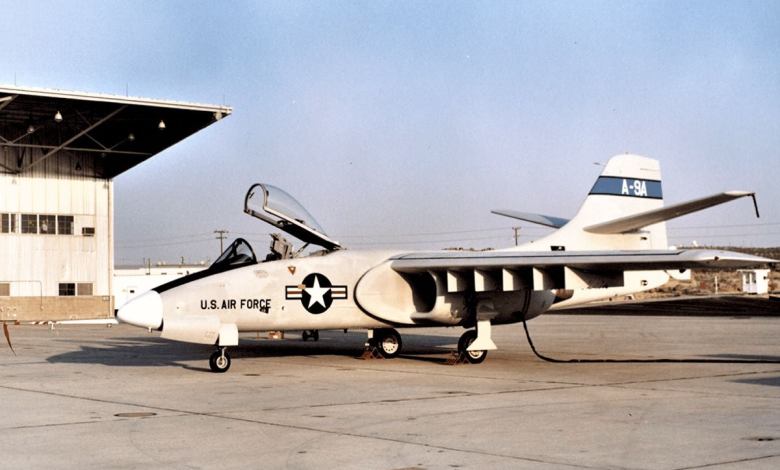
The Close Call of the Northrop YA-9A Prototype
The close air support YA-9A had intriguing design features despite losing a pivotal contract to replace the aging Douglas A-1 Skyraider.


The close air support YA-9A had intriguing design features despite losing a pivotal contract to replace the aging Douglas A-1 Skyraider.
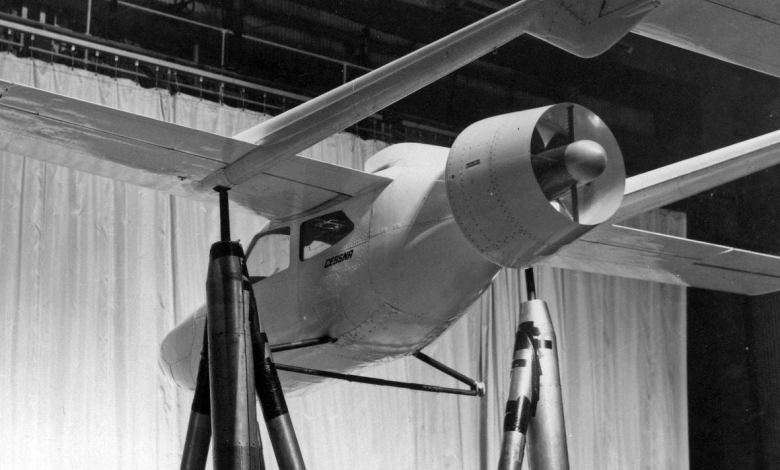
The 327 was Cessna’s solution to a downsizing opportunity. Then it ended up in a NASA wind tunnel.
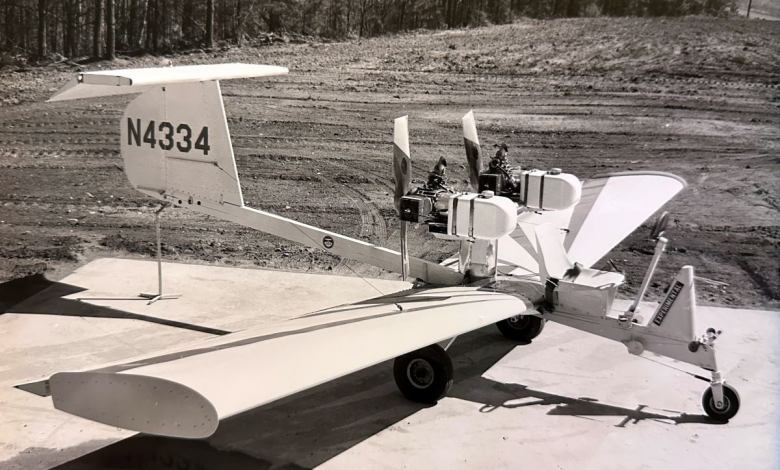
This remarkable aircraft lacked a windscreen or enclosed fuselage but made up for it with a second engine.
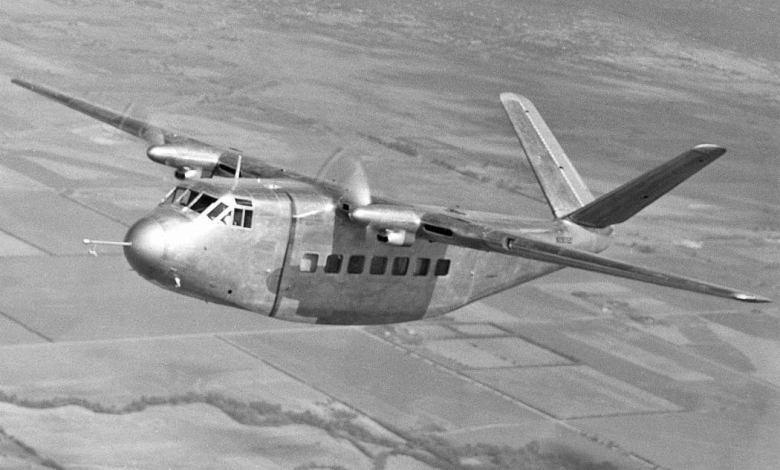
Though the V-tail was the most notable design feature of the aircraft, it paled in comparison to the originality and uniqueness of the engine layout.
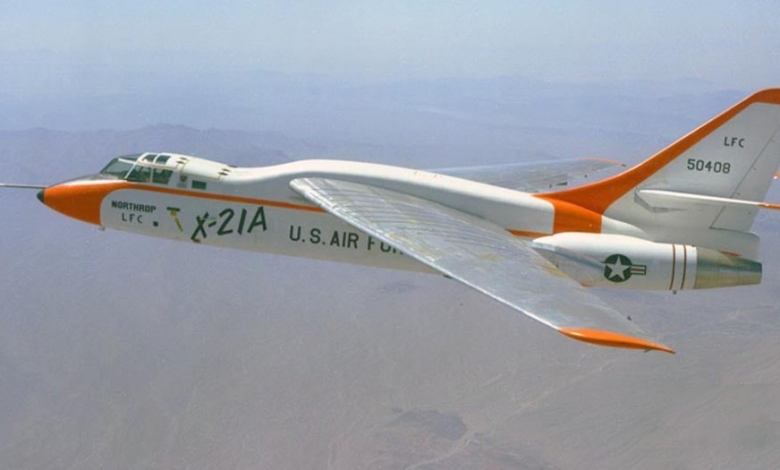
The prototype’s wing lift was artificially boosted by an extensive pattern of razor-thin slots in the upper wing surface to reduce drag.
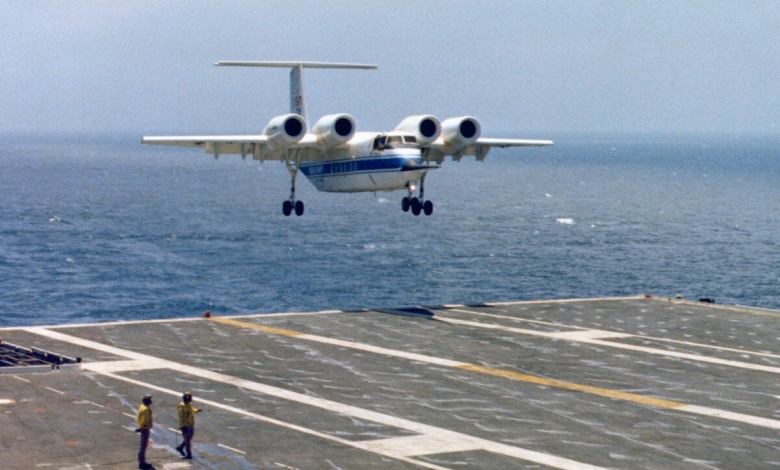
NASA’s Quiet Short-Haul Research Aircraft was designed to navigate inner-city airports in dense population centers.
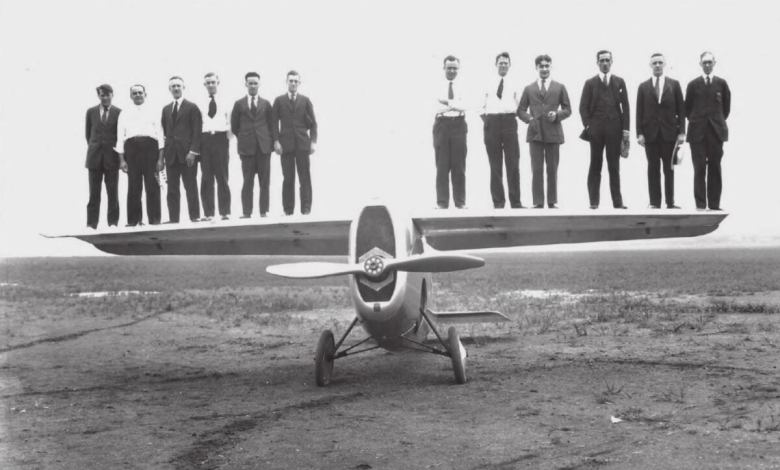
When the RB-1 was constructed to compete in the 1920 Gordon Bennett trophy race in France, it utilized features unheard of in that era.
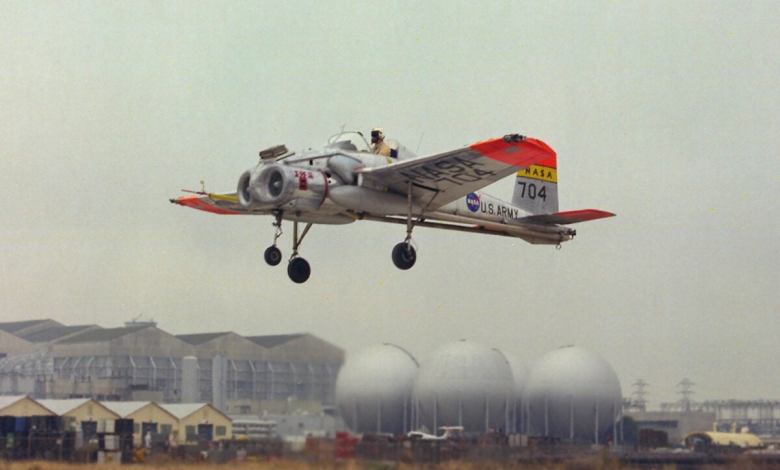
The X-plane explored VTOL technologies and was used by NASA astronauts to refine their moon-landing skills.
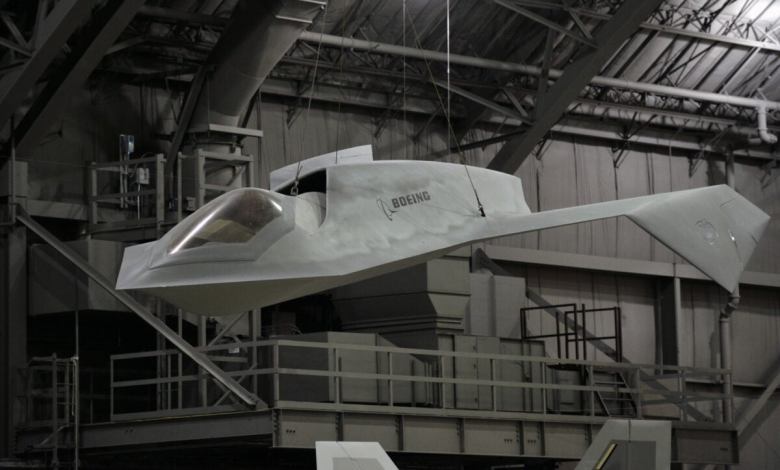
Named after a Klingon spacecraft from Star Trek and given the designation “YF-118G”, the jet incorporated dramatic design inside and out.
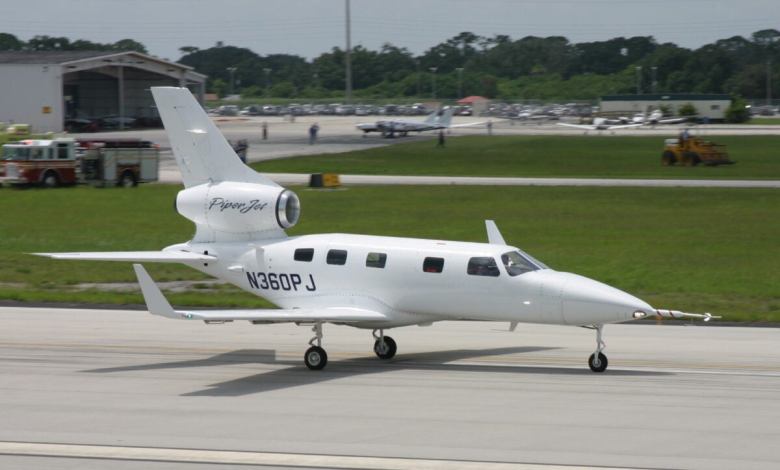
The airframe configuration of the single-engine Piper PA-47 PiperJet presented a unique set of engineering challenges.

Get the latest stories & special offers delivered directly to your inbox.
SUBSCRIBE