
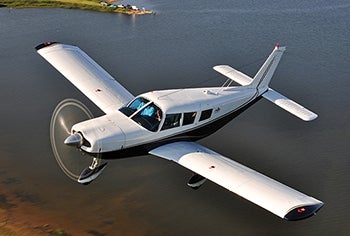


If you look back at used airplane values over the past many decades, you’ll see an interesting though hardly surprising trend: Airplanes that can do a lot go for a premium. It’s a good thing to know if you’re looking to purchase a new airplane, and it’s a good thing to know if you have an airplane to sell. Models that are known for being capable go for more in the used market than their otherwise comparable, less capable contemporaries, and they’re also somewhat more resistant to market downturns. Why is this? That’s easy. Owners of these can-do airplanes quite literally get more for their money.
We’ve all heard the word utility used to describe a number of very different airplanes, usually ones that are rough-and-tumble performers. For some airplanes, the calling card might be load-hauling ability — this is probably the most cited trait of utility aircraft, though it’s hardly the beginning and end of the story. Airplanes that have a lot of room for passengers and/or cargo can lay claim to the tag too. Another key trait: Typically, utility aircraft are able to operate from rough strips and with less runway than their less utilitarian contemporaries require. There’s no arguing that being able to go into and back out of strips that are inaccessible to other airplanes is a remarkably useful ability.