Features

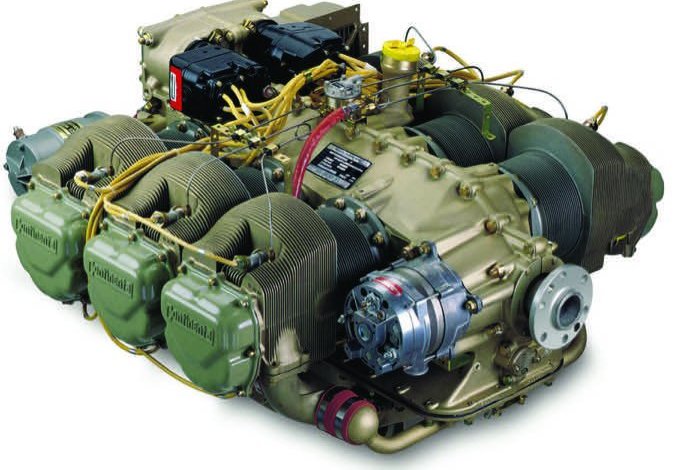
IO-520s

Beechcraft Model F33A Bonanza/IO-520Cracked Magneto Impulse CouplingDuring a 500-hour magneto inspection, the impulse coupling was discovered to have cracks in its flyweight base plate. The cracks were detected using magnetic particle inspection and appear to have originated from the sharp-cornered feature of the base plate that forms the full advance stop. Slick p/n M3050.Part total time: 565.0 hours

Read More »

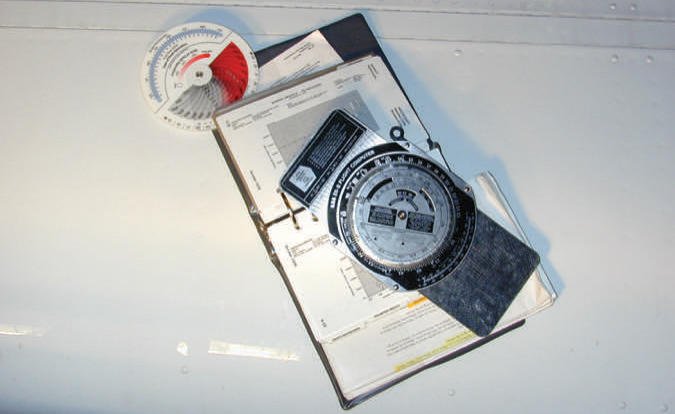
Good IFR Platform?

Thanks for Bob Wrights article in the September 2017 issue, Single-Pilot Challenges. I wanted to comment on a sidebar accompanying the article: What Makes A Good IFR Platform. I agree with the authors take that range, speed and installed equipment all combine to make an airplane enjoyable to fly in the IFR environment. Those lacking similar capabilities obviously can be flown on IFR cross-countries, but come with various shortcomings that may need to be addressed depending…

Read More »

Top Five Tips And Traps

It would be nice if economics didnt force a lot of our flight training into a laser-like focus on getting through the written exam or checkride, and instead encouraged pilots to soak up what we might call extra-curricular aeronautical knowledge along the way. Some of things that can make our flying smarter and less risky just arent on the test. Learning them comes through experience, from a mentor or, if you are a really lucky, a seasoned, lifetime instructor with the time and motivation to go beyond the minimum requirements.

Read More »

Ready For Winter

Having owned an aircraft maintenance facility, Ive seen a lot of expensive damage to airframes and engines over the years directly resulting from improper winter care by the owner. Winter flying can be very rewarding and enjoyable for you and your passengers with the proper planning. But if winter flying isnt your cup of hot tea, and your airplane will sit outside, you may wish to consider what you can do to make that harsh…

Read More »

One Mile, Clear Of Clouds

Our freedom to fly is a gift. The FAA provides pilots with reasonable rules and regulations, and a lot of discretion to determine the proper course of action. Sometimes the rules are not applicable in all circumstances, or for all pilots and aircraft, so what may seem to be perfectly legal isnt safe, and vice versa. In other words, pilots also are given the freedom to be stupid.

Read More »

Single-Pilot Jets

While most of us probably feel fortunate to be able to fly any kind of general aviation aircraft, most of us also have fantasies about owning and flying more expensive machines, including jets. A small number of us achieve that goal and obtain certification to operate small jets single-pilot. But the safety record of these operations is mixed. Some recent accidents point to gaps in the training and checking associated with single-pilot type ratings.

Read More »

Into The Flight Levels

It seems to be an arbitrary cutoff, 18,000 feet. However that height was originally chosen, its the altitude that defines, at least in U.S. airspace, what we call the flight levels. There are a number of rules that apply to all airplanes flying at and above FL180 but less obvious are some of the real-world considerations protecting you and your passengers as you climb above 18,000 feet-considerations that relate to very real hazards.

Read More »

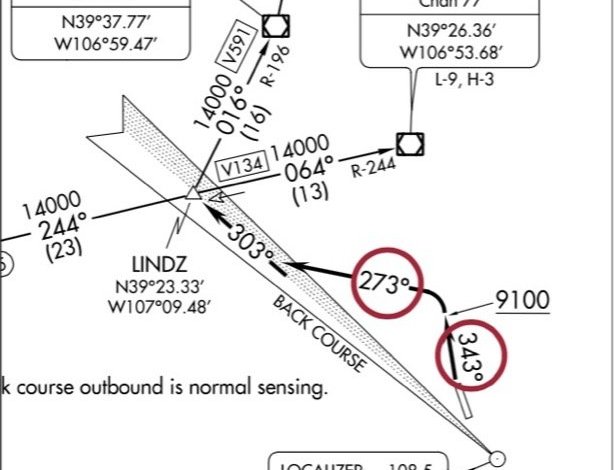
Approach Vectors Checklist

Theres nothing quite like hearing the phrase, vectors for the approach. To me at least, this is a calming phrase from an approach or center controller that says, Youre just about there; now well take care of you. On vectors, its easy to let your guard down and lose track of where you are and whats going on, subconsciously delegating those things to that friendly controller.

Read More »

NTSB Highlights Gas Fuel-Related Accidents

The NTSB in August released the latest in a series of what it calls Safety Alerts, which focused on preventable accidents stemming from fuel starvation or fuel exhaustion. According to the Safety Alert (SA-067, Flying On Empty, August 2017), an average of more than 50 accidents each year in the five years from 2011 to 2015 occurred due to fuel management issues.

Read More »

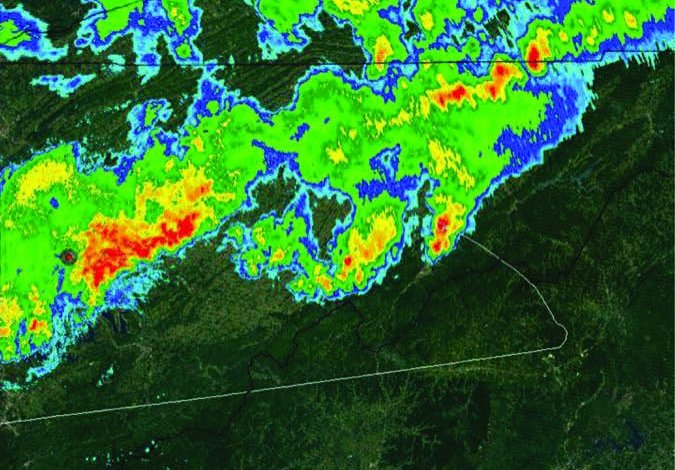
Timing Is Everything

When I first started flying what I consider to be serious cross-countries, there was no such thing as in-cockpit weather radar. Even when flying the best-equipped singles, it was rare to have an sferic device like a Stormscope or Strike Finder. When my route was filled with a line of thunderstorms, I either went around them or landed and found a hotel for the evening. These days, we have near-real-time Nexrad weather radar from a variety of sources, and even ATC is better at pointing out storms and helping us around them.

Read More »
Pilot in aircraft
Sign-up for newsletters & special offers!

Get the latest stories & special offers delivered directly to your inbox.

SUBSCRIBE