Features

Top Ten Tips For Managing Risk

Everyone talks about the weather but no one ever does anything about it. (Stop me if youve heard that before.) The same could be said about managing the risk of general aviation. We-both this magazine and the industry as a whole-spend a lot of time preaching to pilots about the mechanics of understanding weather forecasts, determining if the aircraft is capable, and making honest evaluations of our own performance in considering how and when to conduct a flight. But once we identify the need to mitigate a risk, we sometimes have little space left over to describe the tools we can use. Lets try to fix that.
Read More »

The No-Go Decision

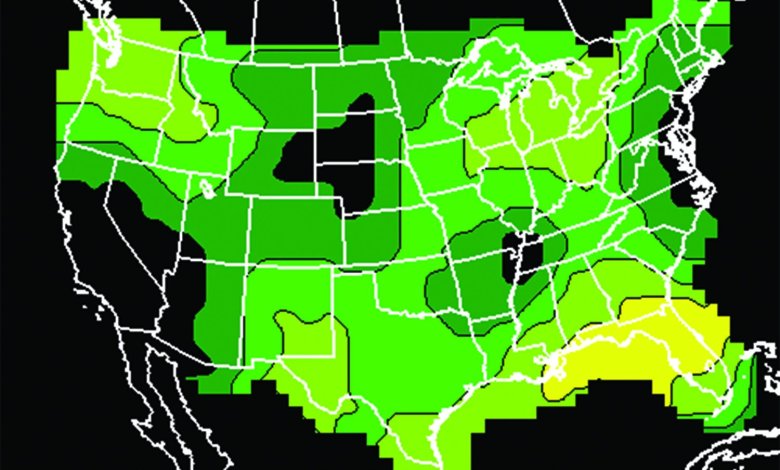
The mission was a simple day trip from my home field in southwest Florida to a familiar destination in north-central Georgia of 407 nm, planned to take 2+30 one-way. Spend a few hours on the ground visiting with an old friend, grab a late lunch, then hop back home later the same day. The airplane was ready and willing. But the weather wasnt cooperating as I wanted. The destination airport offered its own challenges. And while I was instrument-current, I wasnt as proficient with low IFR as I would have liked.

Read More »

Geographic Risks

The Pacific Northwest, for the purposes of this article, includes the states of Washington, Oregon, Idaho, and parts of Montana and Wyoming. Thats a huge hunk of territory and comprises more than 250,000 square miles for Washington, Oregon and Idaho alone. The region includes two major mountain ranges-the Cascades and the Northern Rockies-and many smaller ones, as well as several major river basins. There are major cities in the region, such as Seattle, Portland and Boise, but also thousands of square miles of largely empty land and wilderness.

Read More »

Fresh Out Of The Paint Shop

A few years ago, an engineer, friend and pilot shared a story about retrieving his Cessna 182RG from the paint shop. Before he took the plane out for a run-up and test flight, he asked his even more meticulous engineer-spouse do the preflight. When she did, she discovered something rather important. The bolts and nuts that connected the elevators were just hand-tightened, unsecured by cotter pins. The bolts and nuts securing the primary pitch control surfaces were essentially ready to fall out. Not good. My friend managed a major nuclear facility in Idaho, and he shared the story with his workforce as an example why operators should trust, but verify others work.

Read More »

Negligent Maintenance

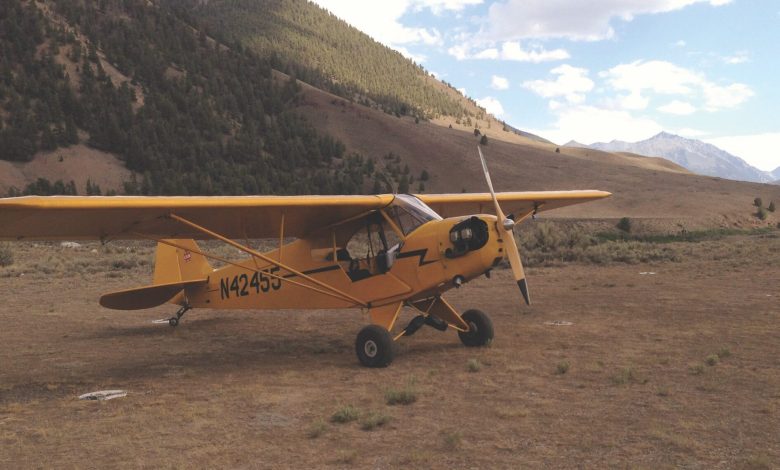
Vintage aircraft often have vintage owners. Familiarity being a source of contempt, long-time owners of aircraft seeing little activity may also see little need to perform preventive maintenance or conduct regular inspections. It was just fine when I parked it; what could possibly have broken while it was sitting in a hangar? can be a familiar refrain to pilots who have owned the same airplane for a significant time. After a while, the pilot/owner is so familiar with the aircraft, he or she can tell somethings wrong just by the slipstream noise.

Read More »

Notam Changes Coming

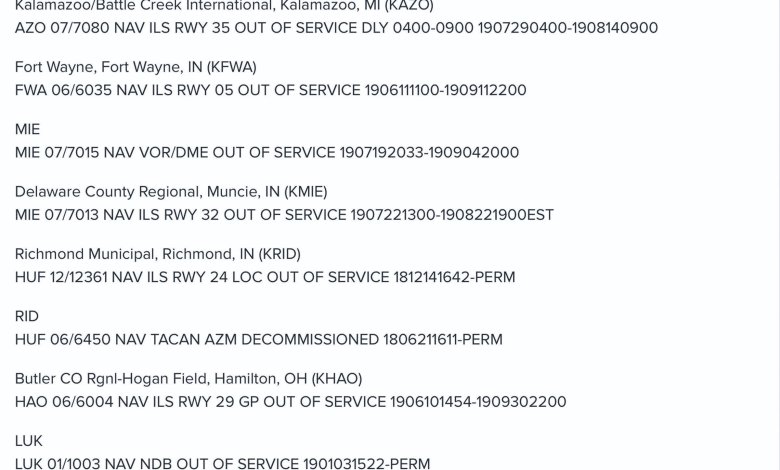
Notams have had a rocky decade, getting most of the blame in 2010 when the FAA accused U.S. Senator James Inhofe (R-Okla.) of landing on a closed runway in Texas. He maintained he researched applicable Notams as part of his preflight planning, but didnt find one for his destination. The FAA didnt agree and brought an enforcement action against the Senator. In turn, Inhofe developed and in 2012 saw enacted the Pilots Bill of Rights, which among other things mandated an overhaul of the Notam system. Subsequent legislation-2015s Pilots Bill of Rights 2, also by Inhofe-sought to further improve the Notam experience for pilots. Its the legislation that created the BasicMed option to traditional FAA medical certificates.

Read More »

Winter Weather Tools

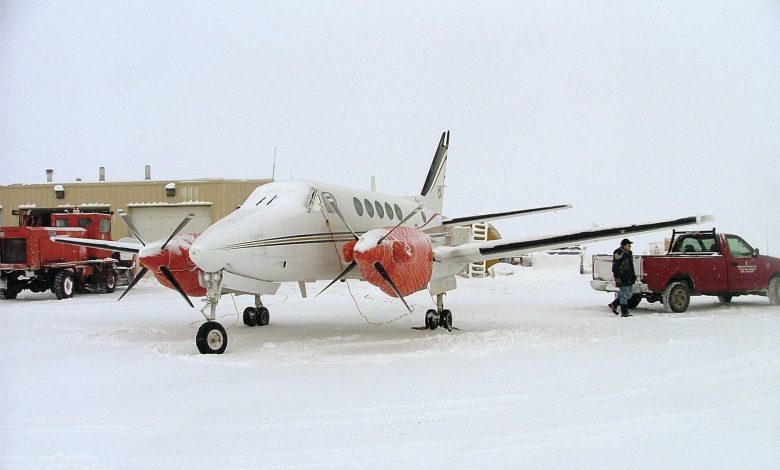
Like it or not, winter weather is upon us here in North America. After a few brief weeks of not as much thunderstorm activity, were headed squarely into a a couple of months featuring widespread near-freezing temperatures and precipitation. From storing our airplane, to preflighting it, picking a route and ensuring our destination doesnt have any slippery surprises, winter weather will have an impact on our operations, likely even if we stay in the pattern at a Southern California airport.

Read More »

Lean Of Peak EGT

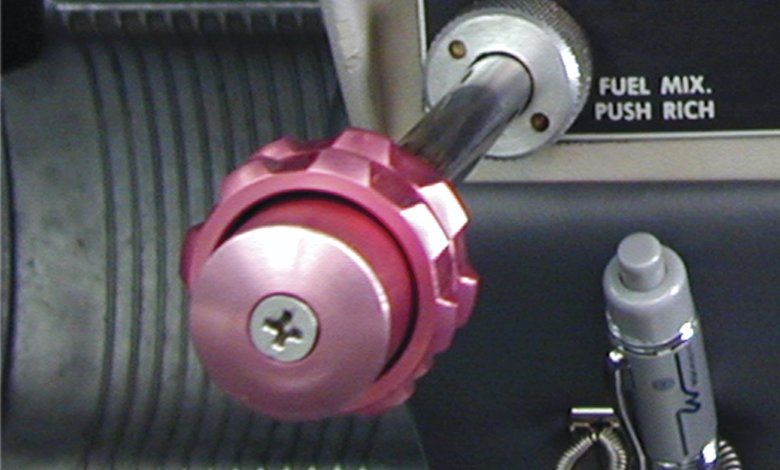
Its basic human nature that we often want to improve the efficiency of the things we do. Its also human nature to be skeptical when were offered something of value that carries little or no cost: Wheres the catch? What am I giving up to benefit from this largesse? These can be legitimate questions, and they deserve detailed answers, no matter whats being offered. When considering how pilots use the mixture control to manage aircraft piston engines, desires to improve efficiency and healthy skepticism can intersect.

Read More »

Hold Everything

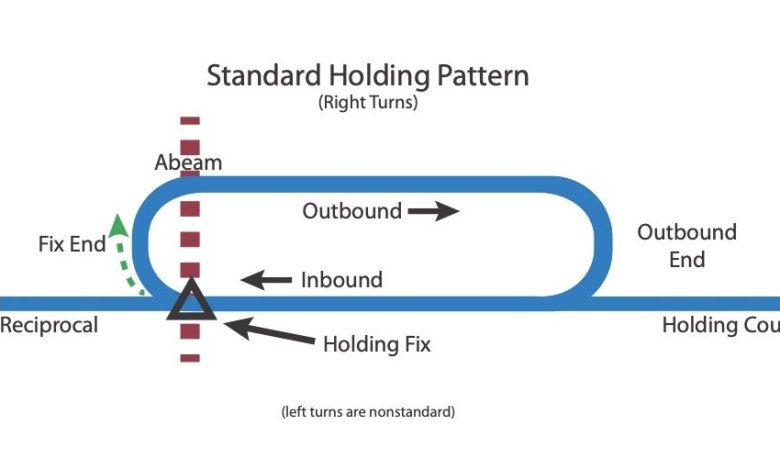
Full disclosure: I suck at holds. I can find the fix and figure out the recommended entry method without too much trouble. And I usually turn the correct direction upon crossing the holding fix. Usually. After that, things start to become loosely held, and it might take me a couple of laps to nail the wind correction angles. Throw in a descent while in the hold and my cockpit gets busy. I guess thats why the FAA a few years ago added holding patterns to the maneuvers required to accomplish an instrument proficiency check. Its all my fault.

Read More »

Filing Direct?

Since Eric is a working controller, I respect his advice. I was a little surprised when he stated that filing direct grinds controllers gears. With GPS capability, filing direct has saved me a lot of time and money. It was never realized that doing so was creating a problem for anyone. It was not done as a sign of laziness or to engage in a bad practice, but to get in and out of the ATC system as quickly and efficiently as possible.

Read More »
Pilot in aircraft
Sign-up for newsletters & special offers!

Get the latest stories & special offers delivered directly to your inbox.

SUBSCRIBE