











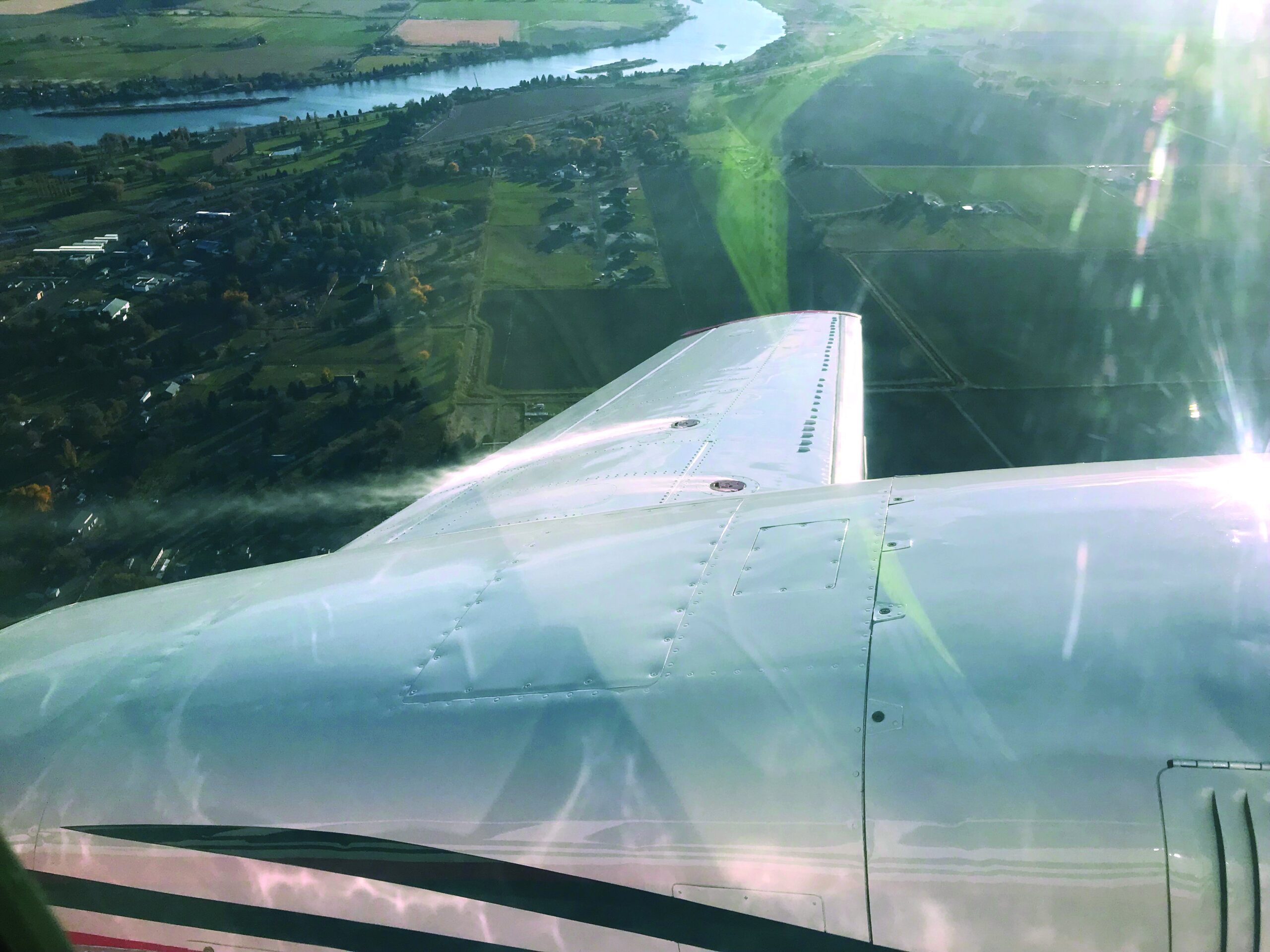

A few years ago, an engineer, friend and pilot shared a story about retrieving his Cessna 182RG from the paint shop. Before he took the plane out for a run-up and test flight, he asked his even more meticulous engineer-spouse do the preflight. When she did, she discovered something rather important. The bolts and nuts that connected the elevators were just hand-tightened, unsecured by cotter pins. The bolts and nuts securing the primary pitch control surfaces were essentially ready to fall out. Not good. My friend managed a major nuclear facility in Idaho, and he shared the story with his workforce as an example why operators should “trust, but verify” others’ work.
He cited a statistic indicating a 10-to-30-percent error rate is endemic with just being human and performing tasks. Even though 90 percent seems good by comparison, it’s not when considering whether or not the elevator control surface is firmly attached. As numerous articles and commentary in this magazine attest, any time you retrieve a plane from a mechanic, you become a test pilot. You want to ask questions to learn exactly what systems were worked on so you can pay particular attention to those systems during preflight. The thing is, when a plane comes out of a paint shop, nearly every system on the aircraft has been worked on.

