Mike Hart Monday, November 23, 2020

Getting Blown Away

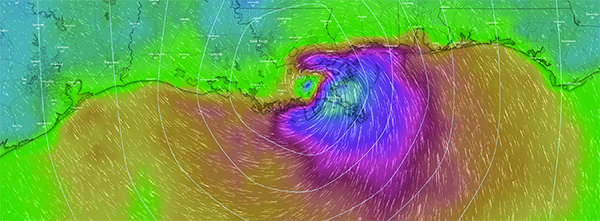
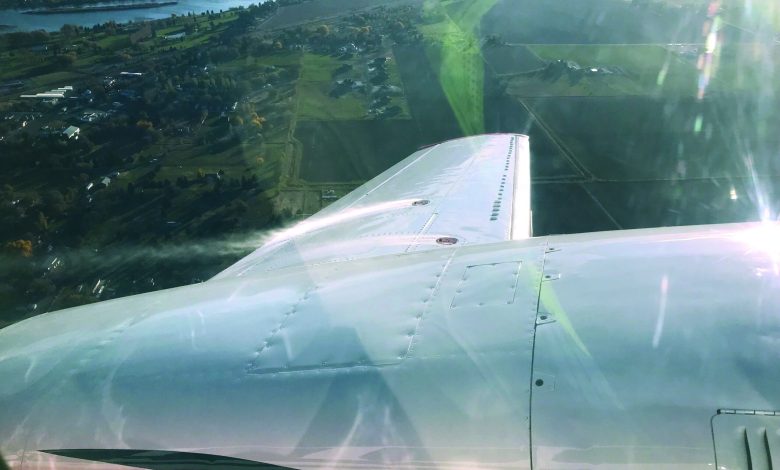
Thinking back to my traditional aviation weather courses, I realized they didn’t address intense wind events where the agency of high wind all by itself wreaks its own special form of havoc. This year there were numerous high wind events — several haboobs in Arizona, a derecho in the Midwest, and wind-driven fires in California, […]
Read More »
Mike Hart Monday, September 21, 2020

Landing On The Shore

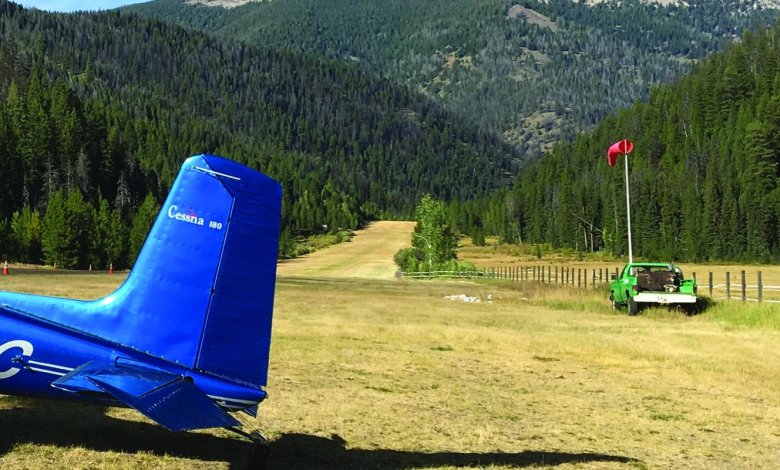
Personal aviation opens up a world of interesting and beautiful places to visit and recreate, places that reward us for the time, training and skill to get there. Some places would be inaccessible except by horse, foot or airstrip, like the canyons, rivers and vistas of the Mountain West. Some places beckon because they offer […]

Read More »
Mike Hart Monday, September 21, 2020

Magneto Management

Unless you’re lucky enough to fly a turbine or an engine with an electronic ignition system, the internal combustion engines you fly behind or between likely operate using a simple system involving a magnet, coil, condenser and contact points. As the spinny thing in the accessory case turns the magneto drive shaft, the magnet rotates […]

Read More »
Mike Hart Tuesday, May 19, 2020

Restoring Performance

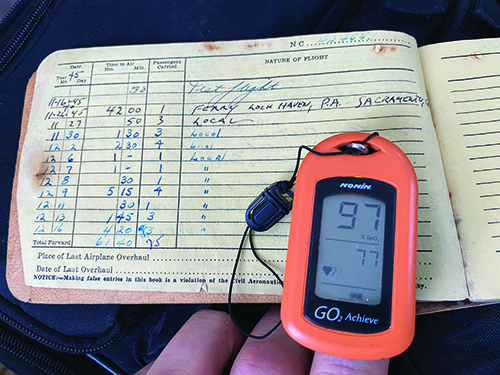
CUE INFOMERCIAL: I’m here today to tell you about a miraculous substance that will significantly increase your cognitive function, clear your head and improve your night vision. It is absolutely legal with proven safety and reliability, and you will see immediate improvement in your physical, mental and visual performance. You are probably asking, what is […]

Read More »
Mike Hart Thursday, January 2, 2020

Fresh Out Of The Paint Shop

A few years ago, an engineer, friend and pilot shared a story about retrieving his Cessna 182RG from the paint shop. Before he took the plane out for a run-up and test flight, he asked his even more meticulous engineer-spouse do the preflight. When she did, she discovered something rather important. The bolts and nuts that connected the elevators were just hand-tightened, unsecured by cotter pins. The bolts and nuts securing the primary pitch control surfaces were essentially ready to fall out. Not good. My friend managed a major nuclear facility in Idaho, and he shared the story with his workforce as an example why operators should trust, but verify others work.

Read More »
Mike Hart Thursday, October 3, 2019

Picking Up The Pieces

I spend a lot of my flying in the Idaho backcountry, where there are a lot of challenging but worthwhile airstrips. But it’s not a forgiving environment since go-arounds can be problematic and density altitude means pilots may not be accustomed to the reduced performance. After decades in the business, Patrick has a lot of lived experience seeing a wide variety of crashed planes, especially in the backcountry. As a window into answering the eternal question “Why do pilots crash?” I felt his insights would be valuable.

Read More »
Mike Hart Friday, August 30, 2019

Airborne Hot Spots

The FAA defines a hot spot as a location on an airport movement area that demands heightened attention by pilots and vehicle operators due to the history of potential collision or runway incursion. Knowing where any hot spots are at the airports you intend to use arms you with useful risk management information. Meanwhile, the FAA has gone sort of nuts with the airport hot spot concept. Dont believe me? Check out the airport diagram for Addison Airport (KADS) in Dallas, Texas, below. Every taxiway intersection east of the runway is a hot spot.

Read More »
Mike Hart Monday, August 12, 2019

Downwind Or Downhill?

Pilots are taught to take off and land into the wind, and avoid landing or departing with a tailwind. There is a reason: The performance penalty of a tailwind is much greater than the benefit of a headwind. How big a penalty? Go to your POH and calculate it. The most common figure is to add 10 percent to the takeoff or landing roll for every two knots of tailwind up to 10 knots. The specific penalty will vary based on a number of factors like runway surface, density altitude, and gross weight. Somewhere down in the fine print, you may see an additional penalty for runway slope. But often runway slope is neglected, because most runways are level.

Read More »
Mike Hart Sunday, June 30, 2019

Air Mass Storms

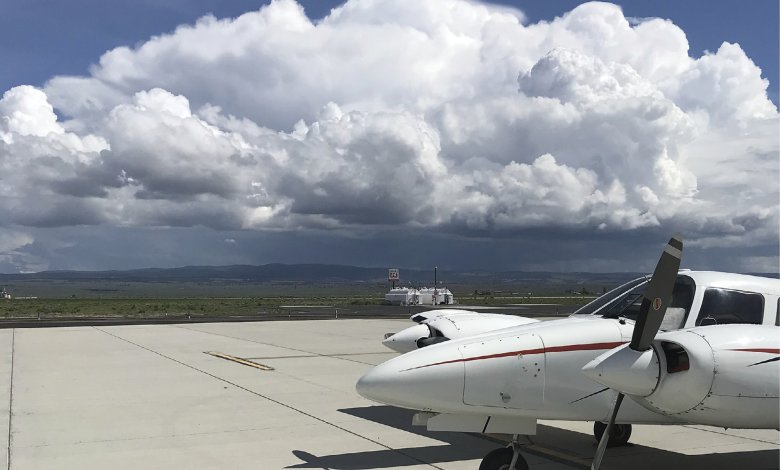
I used to ground myself when I saw a forecast of thunderstorm weather. I had an immediate visceral response rooted in memories of growing up in Kansas, seeing vast tornado-spawning squall lines, their blue-green tint indicating they were pregnant with hail. At age 11, I watched a barn across the road explode in one of those storms, flying in pieces across the fields, followed by a barrage of baseball-sized hail. Surely you cant fly when convective weather and thunderstorms are nearby or on the way, can you? Well, Dorothy, sometimes you can. You just need to know what to look for and what to avoid.

Read More »
Mike Hart Sunday, June 2, 2019

A New Homebuilt And Rusty Pilots

They expressed their nervousness, which was understandable. Who wants to show their flight skills to a critic when those skills are at low proficiency? It is human nature to want to show your best side, but a rusty pilot flight review will show the naked truth. I explained there is nothing wrong with being out of practice, and a flight review is not a test, but an opportunity to learn. Their anxiety acknowledged, we moved on to the needed practice.

Read More »
Loading Posts