













Register

Air Mass Storms

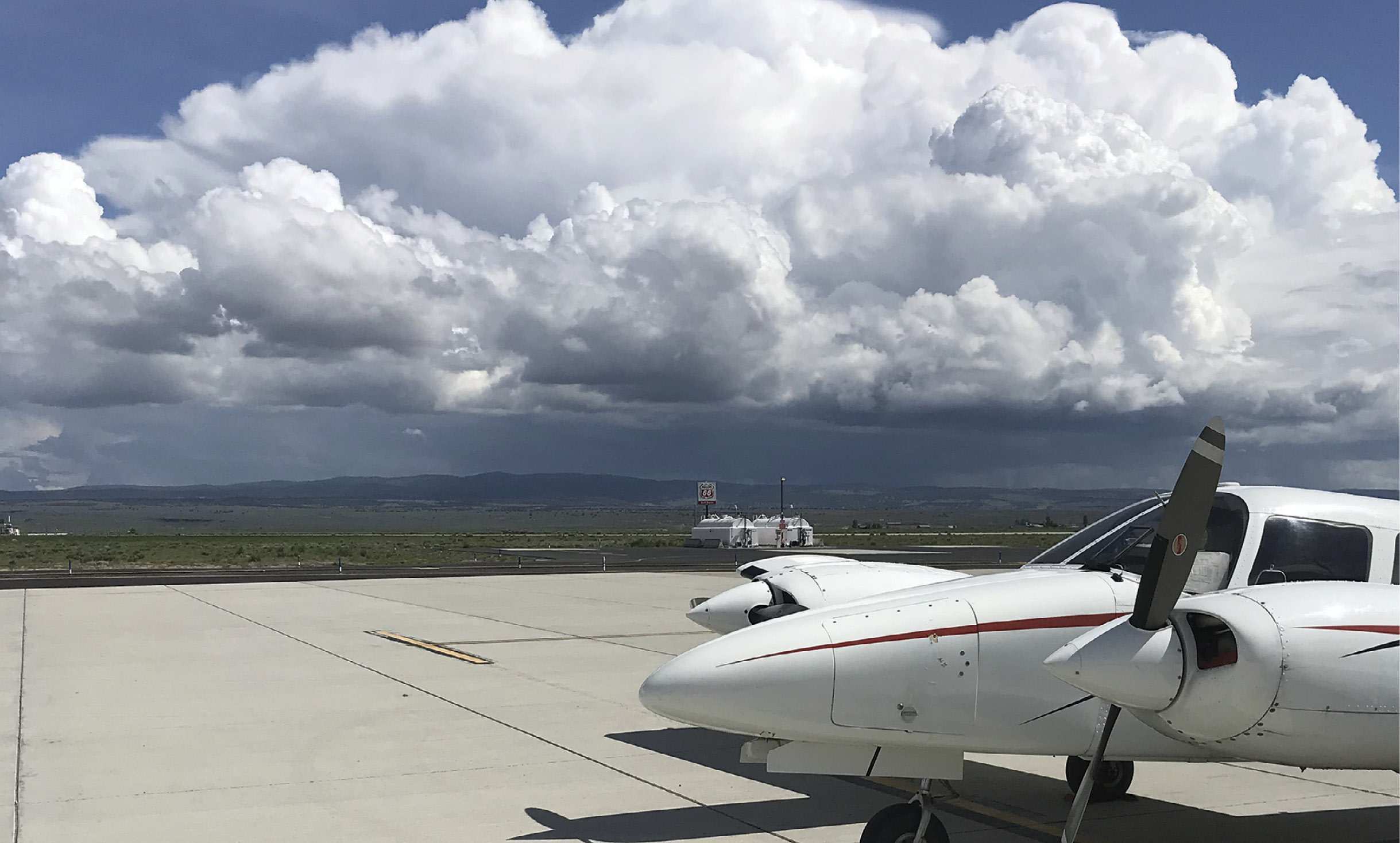
I used to ground myself when I saw a forecast of thunderstorm weather. I had an immediate visceral response rooted in memories of growing up in Kansas, seeing vast tornado-spawning squall lines, their blue-green tint indicating they were pregnant with hail. At age 11, I watched a barn across the road explode in one of those storms, flying in pieces across the fields, followed by a barrage of baseball-sized hail. Surely you cant fly when convective weather and thunderstorms are nearby or on the way, can you? Well, Dorothy, sometimes you can. You just need to know what to look for and what to avoid.

Gemini Sparkle

Key Takeaways:

  • Air mass thunderstorms, though isolated pop-ups, are dangerous and require pilots to maintain significant distance (at least 10-20 miles) and never fly through or under cumulonimbus clouds.
  • Pilots must utilize a combination of visual cues, real-time weather tools (e.g., sferic), and radar imagery (understanding its latency) to anticipate rapid storm development and safely navigate around or between cells.
  • The dissipating stage of a thunderstorm is particularly hazardous due to violent downdrafts, outwash, gust fronts, and microbursts, which create severe low-level wind shear that must be avoided.
  • For optimal safety, always plan flights to pass *behind* developing or mature air mass thunderstorms and consider early morning flights to minimize encounter probability.
See a mistake? Contact us.

I used to ground myself when I saw a forecast of thunderstorm weather. I had an immediate visceral response rooted in memories of growing up in Kansas, seeing vast tornado-spawning squall lines, their blue-green tint indicating they were pregnant with hail. At age 11, I watched a barn across the road explode in one of those storms, flying in pieces across the fields, followed by a barrage of baseball-sized hail. Surely you can’t fly when convective weather and thunderstorms are nearby or on the way, can you? Well, Dorothy, sometimes you can. You just need to know what to look for and what to avoid.

Not The Same

Thunderstorms may differ in the ways they form and move, but inside, they are all the same, something to be avoided. Air mass thunderstorms—often called pop-up thunderstorms—behave quite differently from the violent thunderstorm systems of the southern midwest U.S., a region also known as Tornado Alley, the kind associated with frontal passage or super cell formation.


Ready to Sell Your Aircraft?

List your airplane on AircraftForSale.com and reach qualified buyers.

List Your Aircraft
AircraftForSale Logo | FLYING Logo
Pilot in aircraft
Sign-up for newsletters & special offers!

Get the latest stories & special offers delivered directly to your inbox.

SUBSCRIBE