Aircraft Analysis

Fuel Contamination

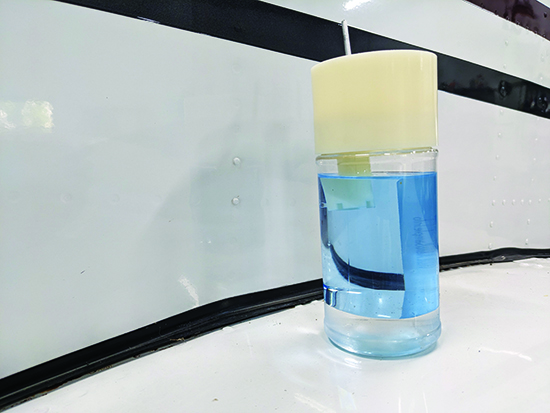
Everything seemed routine. I was cruising along in nice weather. The satellite radio played soft music in the background. Suddenly, the engine began coughing, and quickly lost power. I tried manipulating the throttle but nothing changed; it almost seemed like it wasn’t connected to the engine at all. I looked around for options, not panicking […]
Read More »

Circuit Breakers

The flight test was not going well. I was doing fine, which was easy because I was the check airman giving it. The guy I was testing, though, was having more trouble than expected. A few maneuvers were marginal, but so far none called for a failure. So far. Next was an ILS approach. We […]

Read More »

Glass-Panel Failures

Today’s integrated avionics typically depend on electronic systems for their orientation information, part of the avionics’ attitude heading reference system (AHRS). The AHRS deploys some combination of rate gyros and accelerometers, each of which have their own strengths and weaknesses. Many need supplemental information, both as raw data and as a cross-check for accuracy. For […]

Read More »

Secondary Controls

One the things every primary student learns somewhere along the way to their certificate is the difference between primary and secondary flight controls. Distinguishing between them isn’t hard: The primary flight controls are ailerons/spoilers for roll, an elevator/stabilator/canard for pitch and some kind of rudder for yaw. Those are the controls we regularly manipulate to […]

Read More »

Exhaust Matters

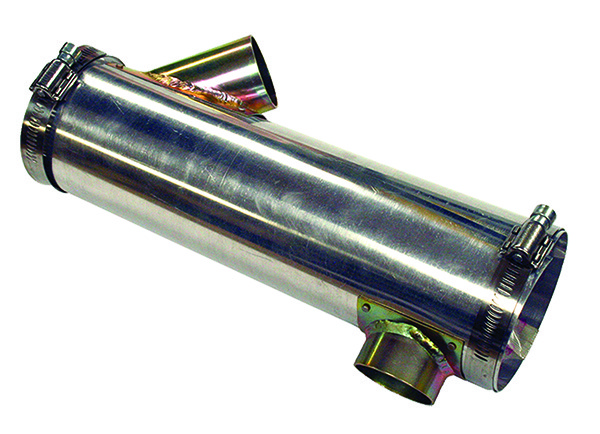
Cessna 172M Skyhawk Leaking Tailpipe While carrying out the pressure test in AD CF90-03-R2, large leaks were found in the area surrounding the muffler tailpipe area under the heat muff shroud support structure. No defects in this area were visible. Without the pressure test, this defect would not have been found. It is assumed the […]

Read More »

Control Cables

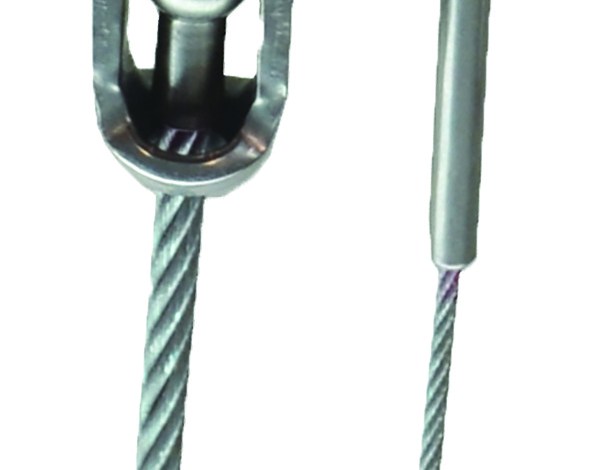
Beechcraft Model 58 Baron Broken Propeller Control Cable While en route, the right engine oversped to 3500 rpm and had no control. Shut the engine down and landed with no further problem.  Maintenance ran the right engine and it made takeoff power, but had no propeller control. Found prop control cable broken. Going to remove […]

Read More »

Managing CHTs

After 20 years as a flight instructor, I’ve observed that too many general aviation pilots do not monitor nor understand the significance of maintaining cylinder head temperature (CHT) within the proper operating range. Thanks to aircraft system ignorance, failure to maintain engine situational awareness, laziness, apathy or combinations thereof, many pilots are remiss at monitoring […]

Read More »

Engine Monitor Tricks

I don’t have to go very far out on a limb to suggest the multi-probe engine monitor has revolutionized how we manage piston powerplants. Gone are the days when we depended on a gauge system borrowed from a ’37 Buick to know one or two temperatures. Now, we can see at a glance how each […]

Read More »

Magneto Management

Unless you’re lucky enough to fly a turbine or an engine with an electronic ignition system, the internal combustion engines you fly behind or between likely operate using a simple system involving a magnet, coil, condenser and contact points. As the spinny thing in the accessory case turns the magneto drive shaft, the magnet rotates […]

Read More »

Oil Filter Inspection

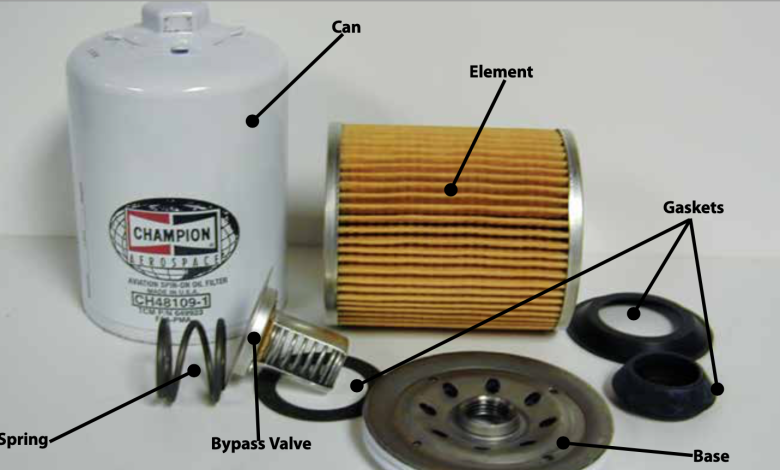
One of the easiest and most worthwhile tasks pilots can perform to maintain their airplanes is changing an engine’s oil and filter. It’s allowed by the FAA under the preventive maintenance provisions of FAR Part 43 Appendix A, it usually doesn’t require special skills and typically can be accomplished by one person in less than […]

Read More »
Pilot in aircraft
Sign-up for newsletters & special offers!

Get the latest stories & special offers delivered directly to your inbox.

SUBSCRIBE