Aircraft Analysis

Brake Master Cylinders

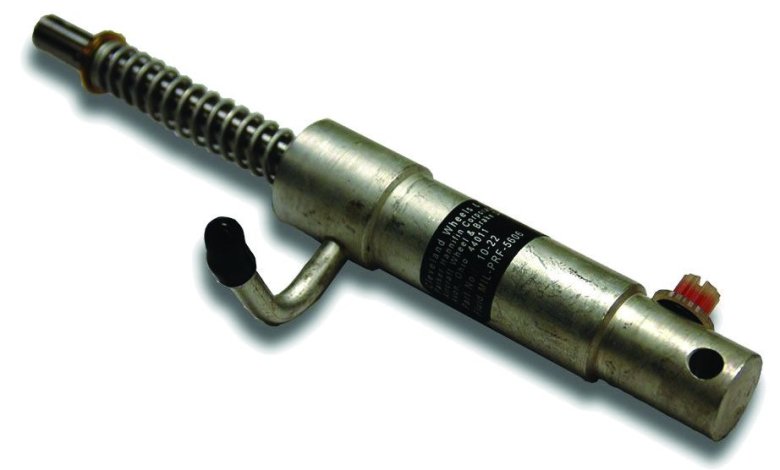
After a brake master cylinder was installed, the technician was unable to bleed the brake system. Fluid pulled from reservoir would return to reservoir through the same line as the internal bypass was not functioning properly. Master cylinder was disassembled and bypass was found stuck and unable to move. Metal shavings were found inside, and an O-ring was torn, with black specks mixed in with the shavings. Part replaced with new master cylinder.


Read More »

The No-Go Decision

The mission was a simple day trip from my home field in southwest Florida to a familiar destination in north-central Georgia of 407 nm, planned to take 2+30 one-way. Spend a few hours on the ground visiting with an old friend, grab a late lunch, then hop back home later the same day. The airplane was ready and willing. But the weather wasnt cooperating as I wanted. The destination airport offered its own challenges. And while I was instrument-current, I wasnt as proficient with low IFR as I would have liked.

Read More »

Fresh Out Of The Paint Shop

A few years ago, an engineer, friend and pilot shared a story about retrieving his Cessna 182RG from the paint shop. Before he took the plane out for a run-up and test flight, he asked his even more meticulous engineer-spouse do the preflight. When she did, she discovered something rather important. The bolts and nuts that connected the elevators were just hand-tightened, unsecured by cotter pins. The bolts and nuts securing the primary pitch control surfaces were essentially ready to fall out. Not good. My friend managed a major nuclear facility in Idaho, and he shared the story with his workforce as an example why operators should trust, but verify others work.

Read More »

Negligent Maintenance

Vintage aircraft often have vintage owners. Familiarity being a source of contempt, long-time owners of aircraft seeing little activity may also see little need to perform preventive maintenance or conduct regular inspections. It was just fine when I parked it; what could possibly have broken while it was sitting in a hangar? can be a familiar refrain to pilots who have owned the same airplane for a significant time. After a while, the pilot/owner is so familiar with the aircraft, he or she can tell somethings wrong just by the slipstream noise.

Read More »

Over-Water Risks

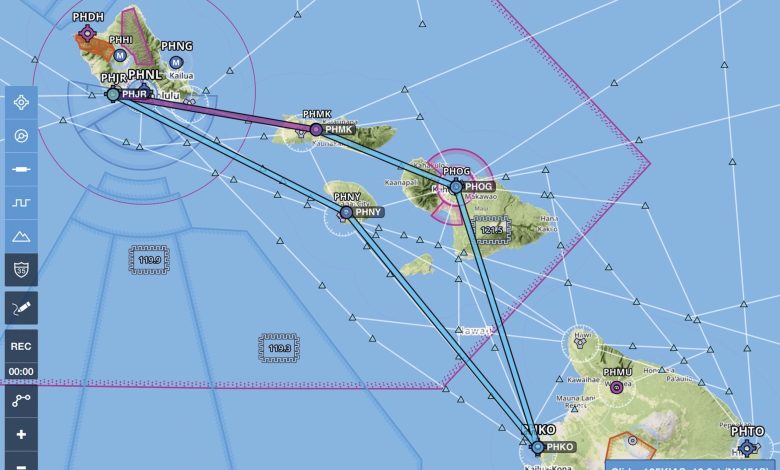
Its an aviation clich that your single engine goes into automatic rough when crossing any significant body of water. To be sure, any engine problem while beyond gliding distance from land is a critical problem, even if you have more than one. When flying a single, its everything. Another clich is that most of us dont bother to analyze the real risks of overwater flying. Any water crossing of any significance-and wed put the Great Lakes, Hawaii and Bahamas in that basket-should be carefully planned to ensure risks are mitigated to acceptable levels. The thing is, both clichs are true more often than not.

Read More »

Download The Full October 2019 Issue PDF

I used to fly out of an airport on the coast just south of the San Francisco Class B. While controllers tried to permit transit, there was no guarantee. If they also have a 91.131(a)(2) problem, that Miami solution would seem attractive to San Francisco. The result for VFR traffic on a trip headed north might be to add up to 100 miles or more to bypass the Class B to the east, or a deviation far out over the Pacific Ocean, neither of which is an attractive alternative.

Read More »

Picking Up The Pieces

I spend a lot of my flying in the Idaho backcountry, where there are a lot of challenging but worthwhile airstrips. But it’s not a forgiving environment since go-arounds can be problematic and density altitude means pilots may not be accustomed to the reduced performance. After decades in the business, Patrick has a lot of lived experience seeing a wide variety of crashed planes, especially in the backcountry. As a window into answering the eternal question “Why do pilots crash?” I felt his insights would be valuable.

Read More »

All Or Nothing?

The question is as old as the powered aviation itself: Assuming a single-engine airplane, if power is lost immediately after takeoff, should you land straight ahead or try to get back to the airport? This magazine has often addressed the question, including a January 2006 article by spinmeister Rich Stowell. Rich detailed the results of a simulator-based study examining “the feasibility of successfully executing a 180-degree turnaround following an engine failure at 500 feet agl.” The study concluded that practicing the maneuver boosted its success rate, but landing straight ahead (or nearly so) had a higher success rate.

Read More »

Unwarranted

One special category of pilots are those for whom going fast is important. Why? Because speed is relative. At altitude on a severe clear day, there’s little sensation of speed. We have to get close to something before our speed becomes apparent. And the risk with getting close to something is we might hit it. While untrained pilots who engage in such risky behaviors aren’t the norm, there’s enough of them that the practice has its own term: unwarranted low flying. Its use apparently has fallen out of favor, but the phrase “unwarranted low flying” has populated numerous NTSB reports over the years.

Read More »

Fuel Pump Problems

Fuel flow was erratic, with a slight fuel leak from pump drains. Inspection revealed debris in servo screens. Teardown report showed drive couplings pitted, blades and liners scored, rotors worn. Debris in servo filter appeared to be pieces of the liner. Replaced both pumps. (The same engine-driven fuel pumps (p/n 200F5002) were installed new at engine overhaul. They were replaced at 372 hours and 389.7 hours. The pumps removed had 776.3 and 794.0 hours.

Read More »
Pilot in aircraft
Sign-up for newsletters & special offers!

Get the latest stories & special offers delivered directly to your inbox.

SUBSCRIBE