











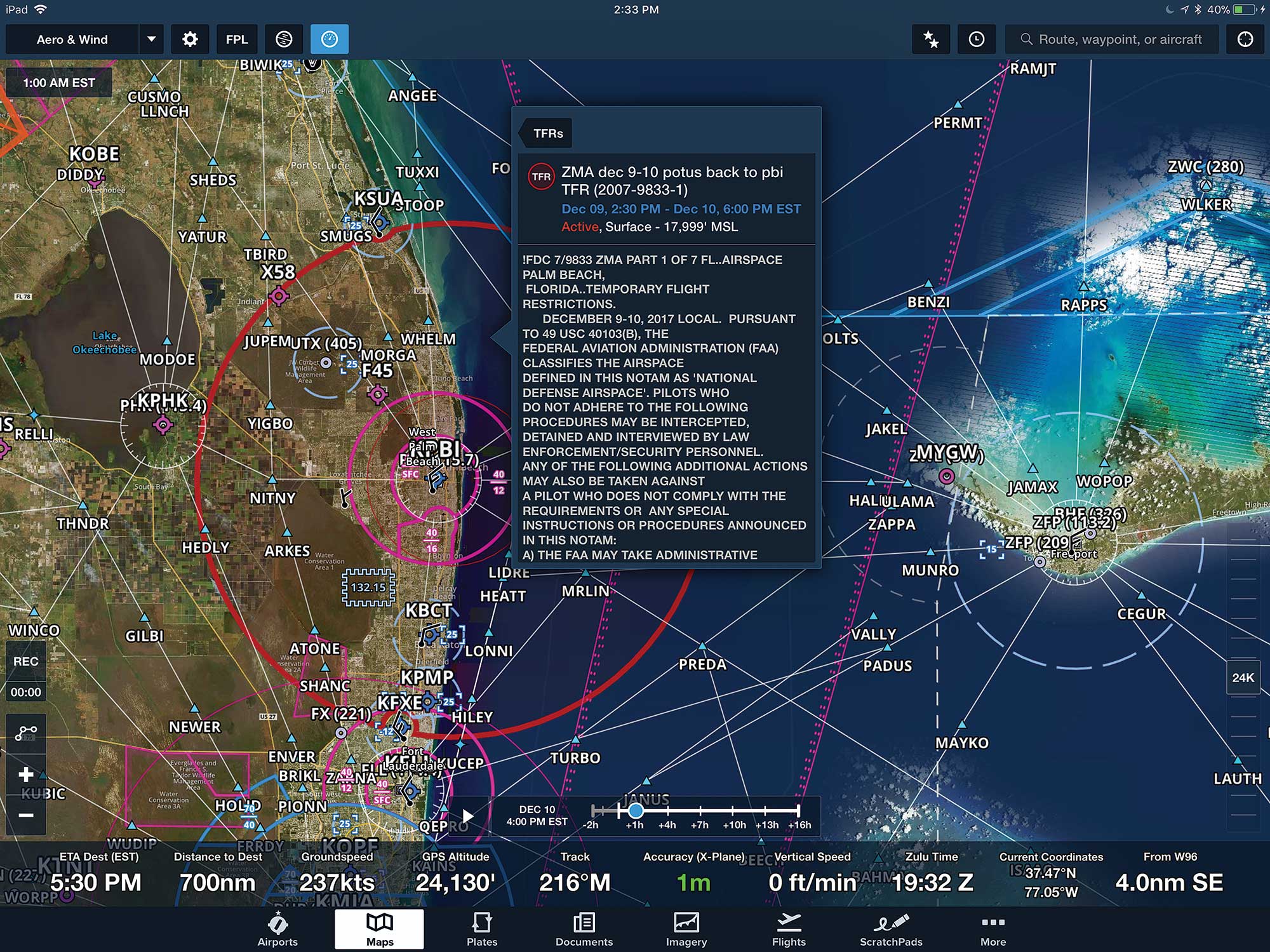


Today’s integrated avionics typically depend on electronic systems for their orientation information, part of the avionics’ attitude heading reference system (AHRS). The AHRS deploys some combination of rate gyros and accelerometers, each of which have their own strengths and weaknesses. Many need supplemental information, both as raw data and as a cross-check for accuracy. For navigation. a separate unit typically will include at least one WAAS GPS receiver.
Some additional information is needed: air data, including pressure and temperature, used to help determine how high and how fast the airplane is traveling. For example, airspeed is derived from the pressure difference between the pitot tube and static air. A differential pressure sensor has replaced the mechanical bellows of the old airspeed indicators. Altitude is determined solely from static pressure measurement. Although the sensor technology has changed, the underlying infrastructure—pitot tubes, static port lines—hasn’t. What happens to the integrated flight deck when it senses an old-fashioned problem like a plugged pitot tube?

