











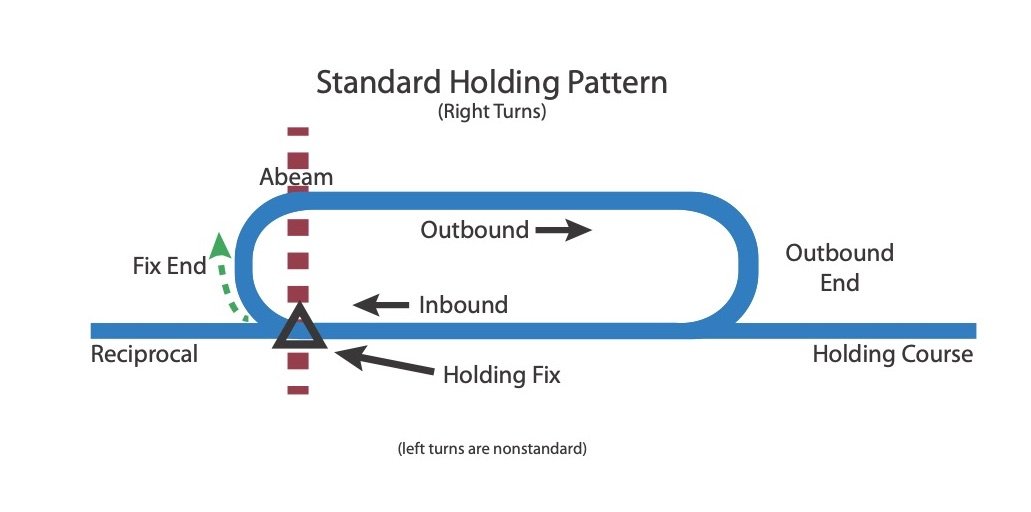


Full disclosure: I suck at holds. I can find the fix and figure out the recommended entry method without too much trouble. And I usually turn the correct direction upon crossing the holding fix. Usually. After that, things start to become loosely held, and it might take me a couple of laps to nail the wind correction angles. Throw in a descent while in the hold and my cockpit gets busy. I guess that’s why the FAA a few years ago added holding patterns to the maneuvers required to accomplish an instrument proficiency check. It’s all my fault.
The reasons IFR holding causes angst among pilots are complicated, so maybe I’m not alone. On one level, we’re going nowhere in a hurry. On another, it’s a hassle, and converts expensive fuel into delay even as our diversion options may be dwindling. It also can be a rare clearance to receive, depending on your normal routes. And this last factor—how rarely holds are issued (at least in the world many pilots inhabit)—always seems to make holding more of a challenge than it should be. Let’s see if we can simplify some of it.

