










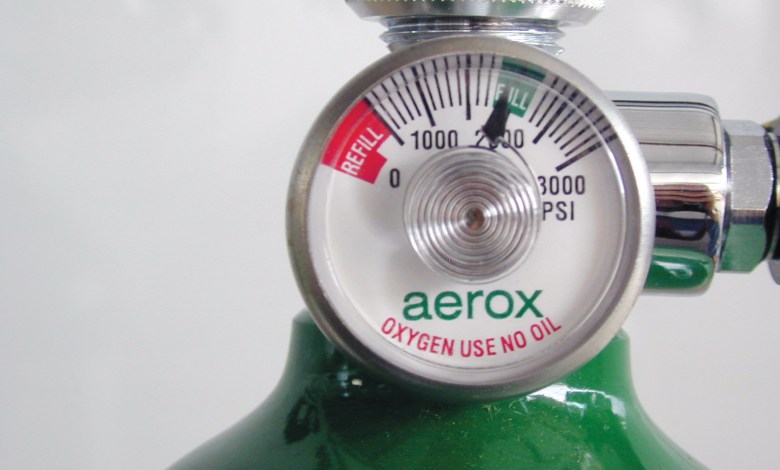
How I Learned To Love Supplemental Oxygen
Hypoxia can be a threat even at so-called non-oxygen altitudes. Mitigations include diligent preflights and monitoring.

Hypoxia can be a threat even at so-called non-oxygen altitudes. Mitigations include diligent preflights and monitoring.
Altitude means different things to different pilots. In crop dusting or banner towing, it’s not something we need. When striving for efficiency and economy over a distance, it can be, since the air is thinner and cooler the higher we climb. True airspeed increases and so do tailwinds, if you’re headed in the right direction. […]
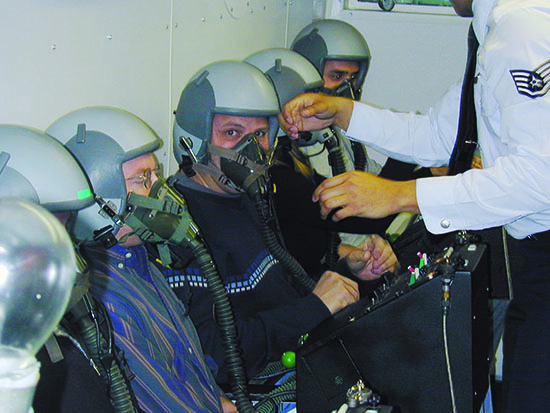
There I was, a second lieutenant in the U.S. Air Force’s undergraduate pilot training (UPT). I look back now and think, “Was I really ever that young? Is anyone?” Everything was new and exciting about flying. The USAF really puts a lot of effort into training pilots, I found out. I thought when I joined […]
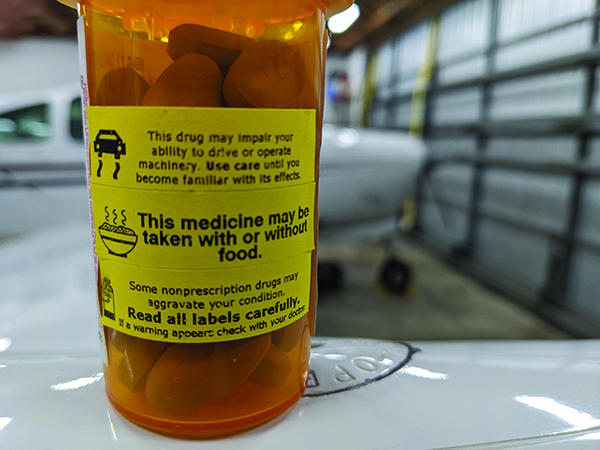
The date was July 15, 2008. The private pilot had almost 1000 hours total time, and 44 in the TBM 700 accident aircraft. The airplane was landing at Cobb County International Airport-McCollum Field on Runway 9, elevation 1078 feet msl and more than 6300 feet long. It was on final approach to the runway in […]
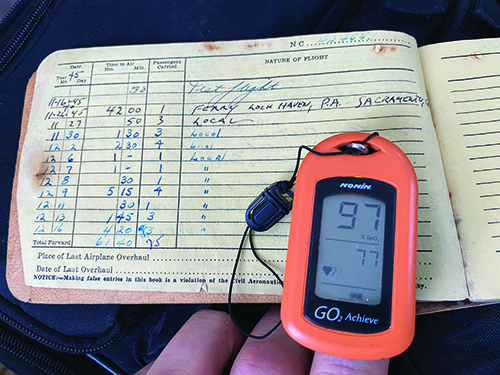
CUE INFOMERCIAL: I’m here today to tell you about a miraculous substance that will significantly increase your cognitive function, clear your head and improve your night vision. It is absolutely legal with proven safety and reliability, and you will see immediate improvement in your physical, mental and visual performance. You are probably asking, what is […]

One of, and by no means the only, impact of the Covid-19 disease and its rampage through the U.S. is the effect it’s having on essential workforces, like health care professionals. Its impact also has been felt among the ranks of air traffic controllers, who often work in close proximity to one another. To its […]
In early April, as this issue was being finalized, the FAA had taken several steps to provide relief for certificate holders at the same time it warned it likely would take a dim view of state or local governments who want to close any federally funded airports as part of their response to the Covid-19 […]
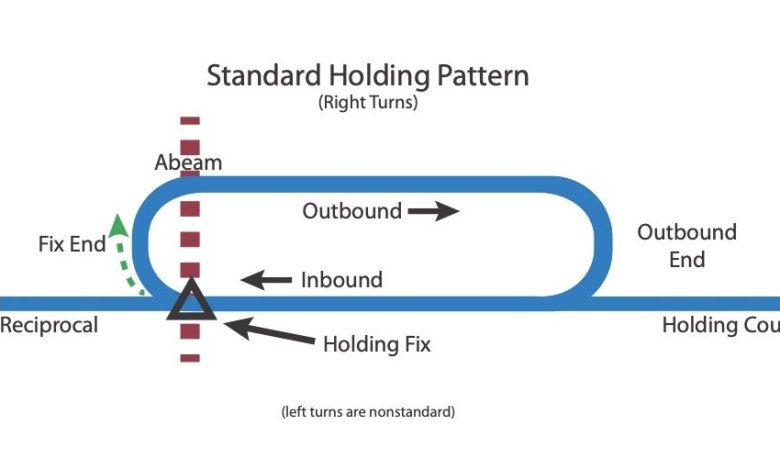
Full disclosure: I suck at holds. I can find the fix and figure out the recommended entry method without too much trouble. And I usually turn the correct direction upon crossing the holding fix. Usually. After that, things start to become loosely held, and it might take me a couple of laps to nail the wind correction angles. Throw in a descent while in the hold and my cockpit gets busy. I guess thats why the FAA a few years ago added holding patterns to the maneuvers required to accomplish an instrument proficiency check. Its all my fault.
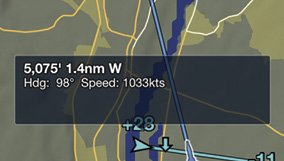
Thank you for printing in Augusts magazine the short letter I wrote, highlighting an issue I encountered just south of the Albany, N.Y., Class C airspace-a Cub showing an ADS-B altitude of 500 feet below sea level. (By the way, I passed the same Cub today at very close range. This time he wasnt showing up at all on ADS-B). In your response, you asked readers to report other anomalies, so heres one from a week or so ago.
We all know how to fly a missed approach. We probably did a handful of them on our instrument checkrides, and when were out practicing approaches, even in a sim, we most often go missed. We may not be flying a full missed approach procedure as published, but we still have to reconfigure the airplane and climb away. When were practicing, we know how the approach will terminate: by going around at the missed approach point. Its what we expect when practicing.

Get the latest stories & special offers delivered directly to your inbox.
SUBSCRIBE