Medical Matters

FAA Urges Best Practices For Turbocharger Exhaust

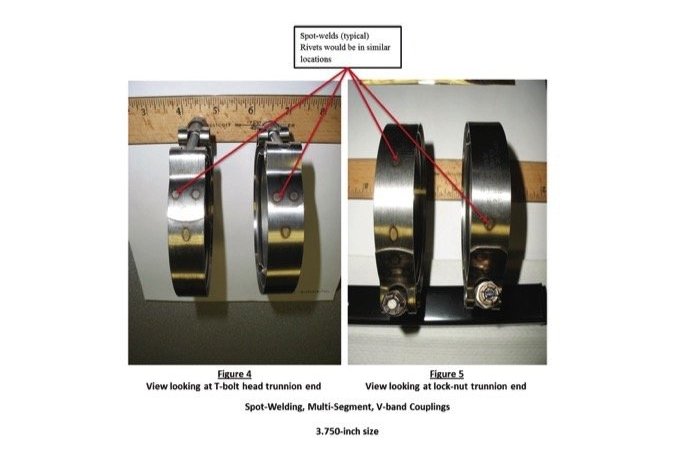
As part of its charter to help minimize GA accidents, the General Aviation Joint Steering Committee (GAJSC; see the article beginning on page 4 for background) earlier this year published a Best Practices Guide designed to ensure airplanes equipped with turbocharged reciprocating engines fitted with turbocharger to tailpipe V-band coupling/clamps, remain in their original type design configuration. It will also help to effectively manage the risk associated with the use of V-band coupling/clamps in this application.

Read More »

Beyond Flaps

Boeings 727 has always been one of my all-time favorite airplanes. Ive never flown in one as anything other than self-loading freight, but Im old enough to remember when the 727 (and the DC-9) brought jet comfort and performance to smaller, outlying airports where the eras long-haul mainstays-707s and DC-8s-couldnt operate. These days, of course, economics-fuel burn, plus the need to pay three pilots-and noise regulations have relegated the venerable three-holer to tramp-freighter status or the scrapyard.

Read More »

Its Your Job To Check

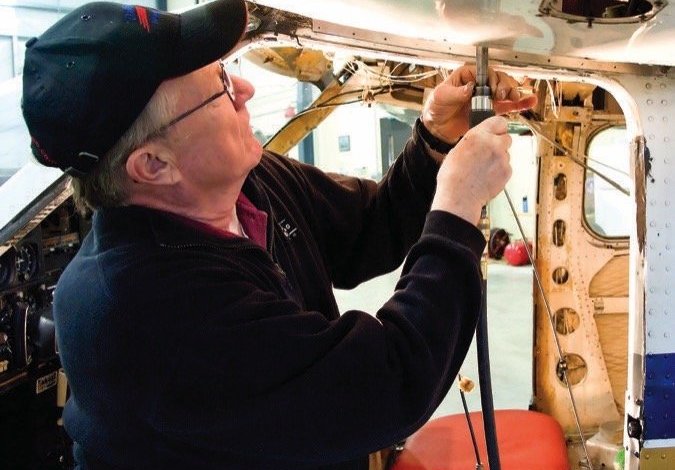
Theres an opinion among some pilots and mechanics that inspections and scheduled maintenance can do more harm than good. By constantly disassembling and reassembling an aircraft to inspect it, they argue, were prematurely wearing out the aircraft and actually making it less safe. Those same pilots and mechanics note that this is largely true, in their opinion, for aircraft that arent flown very much. For more active aircraft, however, they acknowledge that regular inspections and maintenance are less intrusive and, in fact, beneficial.

Read More »

Are You Experienced?

This sounds like malpractice on the part of his FBO and possibly flight instructor. How can a student pilot in primary training with about 20 hours get checked out in a different aircraft with that little training? I remember that being approved for solo flight in my FBOs 172 was a big deal, like it is for most students: you do some landings with the instructor, then he or she gets out and tells you to do it yourself while observing from the ground, something that apparently didnt occur in this case since the instructor was with him for that sole hour of dual. Im even wondering how the students insurance company would have covered him (or if he was covered at all…).

Read More »

Losing Control Is Easy

It was a warm, blustery late-spring day in Texas. Visibility was restricted by the haze, and the afternoons updrafts were in full bloom. The whole package made the air hot, bumpy and thick. I had a multi-engine checkride scheduled in a few days, so my instructor and I were aloft in the Piper Seneca I that Id been using and were up to no good, trying to buff out the rough spots. This was for a commercial multi-engine checkride and emphasized instrument work.

Read More »

Mooney Issues

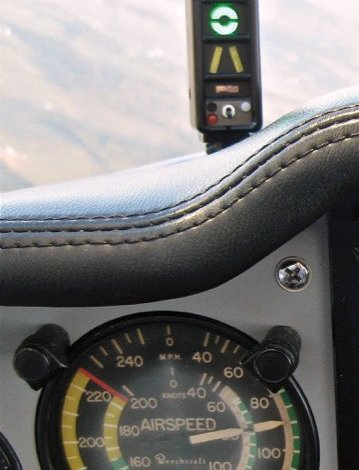
Pilot disconnected the (S-Tec 50) autopilot and hand-flew for several minutes. Shortly after initiating a descent to land, the ailerons began to seize. It took five to 10 seconds to lose aileron authority, followed by elevator authority. Pilot forced to make emergency landing with only a few degrees of operable aileron and elevator, but landed without damage or injury. Examination revealed the autopilot had re-engaged and the servo clutches had frozen.

Read More »

Aviation Accident Data For Skeptics

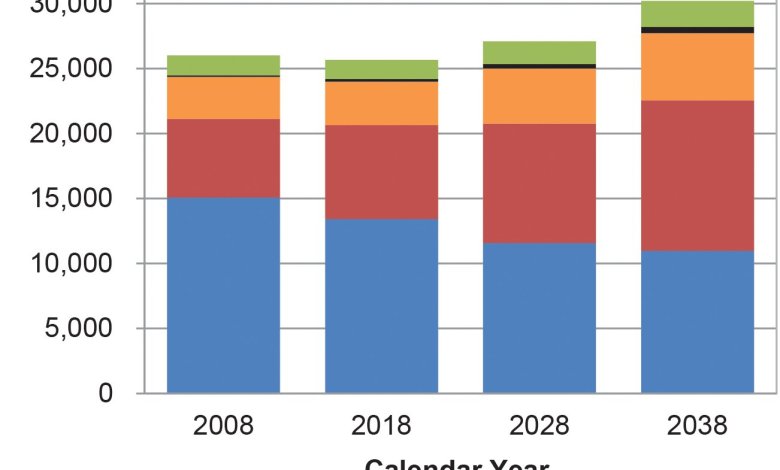
An aircraft accident would seem like an easy thing to identify: Look for the smoking crater with a few pieces of empennage sticking out, right? Okay, that one probably qualifies. But the national statistics are derived from a very specific definition of accident thats not based on either the events immediate effects on airworthiness or the projected cost of repairs. Airplanes can be and often are scrapped for damage that would cost more to fix than their hulls are worth but still doesnt qualify as substantial enough to merit reporting. Conversely, damage that does qualify sometimes goes unnoticed by the pilots who inflicted it, only to be discovered on a later pre-flight inspection.

Read More »

Nuts And Bolts

While changing an IO-520-BBs oil during an annual inspection, steel and red rubbery pieces were found in the filter. Metal determined to be coming from crankshaft gear driving alternator. Rubber was coming from alternator drive coupler. Four bolts holding crankshaft gear to crank were loose, allowing gear to slop around and cause wear of gears and coupler. Locking plates securing the four bolts were missing.

Read More »

Why Do We Stall?

Fixed-wing pilots start learning stall recognition and avoidance during pre-solo training. The private and sport pilot checkrides require recovering from developed stalls with minimal loss of altitude, and stall and spin awareness are (or at least should be) refreshed during flight reviews for the duration of ones flying career. But unintended stalls still put dozens of airplanes into the ground every year. Is it possible that stall training as currently practiced isnt as effective as it might be?

Read More »
Pilot in aircraft
Sign-up for newsletters & special offers!

Get the latest stories & special offers delivered directly to your inbox.

SUBSCRIBE