










Cessna 172 SDRs
Pilot found a brake anomaly. Checked aircraft and found that the anchor had detached from bulkhead assembly (p/n 0513488-11), causing the brake system failure.

Pilot found a brake anomaly. Checked aircraft and found that the anchor had detached from bulkhead assembly (p/n 0513488-11), causing the brake system failure.

Last December 24th, a Cessna 340 crashed at Bartow, Fla., during an attempted predawn, IMC departure. All five aboard the airplane died. We dont know yet what factors, if any, beside the weather may have contributed to this Christmas Eve tragedy. Regardless, the circumstances should remind us of the extra planning and skill needed for a departure into low IMC, day or night-even if everything is going right.
At about 1725 Eastern time, the airplane sustained substantial damage following a landing gear separation during landing. The flight instructor in the right seat and the pilot receiving instruction in the left seat sustained no injuries. Visual conditions were present.
Most pilots venture into windy conditions with enough skills and smarts to know how to either avoid or cope with them. But wind-related accidents are still commonplace, so clearly we dont always get it right. One reason for this may be fairly simple: With the exception of blowing snow, tornadoes, dust devils and some cloud formations, wind is usually invisible. To visualize what is going on, you have to visualize wind currents, which is where my experience whitewater rafting has served me well.
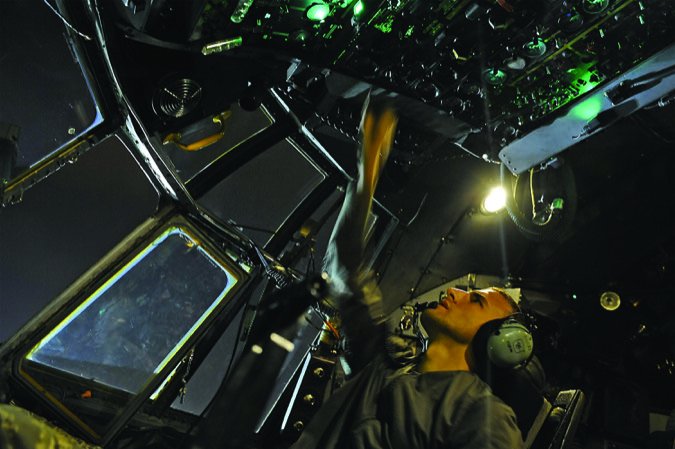
Stuff happens. One minute the engine may be purring like a kitten, the next it can be coughing up a hairball. Pilots who react well to such challenges often credit their training, applying the instincts honed by indoctrination without the need for excessive thought. How does that happen? Most pilots regularly practice simulating an engine out, picking a field and pitching for best glide. That is one scenario to be ready for, but emergencies come in many forms, and your preparation in advance will pay off when that time comes.
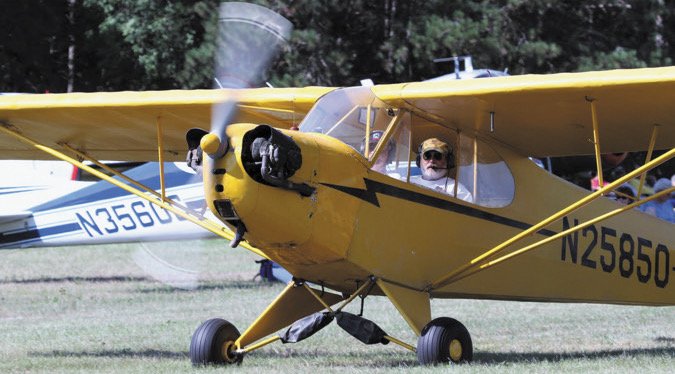
The FAAs BasicMed alternative to a traditional medical certificate is an attractive option for many pilots, especially those of us who are now senior citizens. However, we should recognize that medical issues are not the only factors affecting our ability to fly as we get older. Even in the absence of pathology, age alters our cognitive processes: how we recognize and interpret situations, decide on courses of actions, manage our workload, remember crucial information and skillfully execute our plans. We may joke about our senior moments, but many of us wonder if our ability to continue flying skillfully and safely is being undermined.
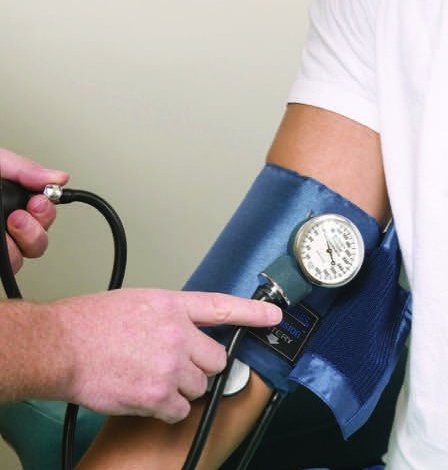
I found the article on BasicMed (BasicMed Takes Effect, May 2017) very interesting. Im a big promoter of BasicMed and of AMEs doing BasicMed exams. I fully realize the article was written prior to the FAA issuing its final checklist (Form 8700-2), but allow me to share some observations.
Effective May 1, 2017, you may no longer need to hold an FAA third-class medical certificate to serve as pilot in command. The change results from FAA implementing a Congressional mandate enacted last year, which directed the agency to develop appropriate regulations to eliminate the third-class medical for specified flight operations. The image below, prepared by the FAA, highlights BasicMeds major provisions.

In case you missed it, on July 15, 2016, President Obama signed into law legislation extending FAA programs through September 2017. In a well-earned victory for AOPA, EAA, other organizations and thousands of U.S. pilots, part of that legislation included a long-awaited provision exempting certain Part 91 operations from the requirement to hold a third-class medical. The exemption idea has a long history, but most recently was championed by U.S. Sen. James M. Inhofe (R-Okla.). But theres some fine print.
I take issue with the suggestion that it is generally a good idea to retract the landing gear before retracting the flaps to a mid/approach setting. There are a lot of pilots who are going to find that getting medical clearance to fly will be harder, not easier, under this proposed law. My fear is that the process will be foisted back on AMEs without liability protections nor the ability to order tests to verify fitness without a patient/physician relationship.

Get the latest stories & special offers delivered directly to your inbox.
SUBSCRIBE