













Register

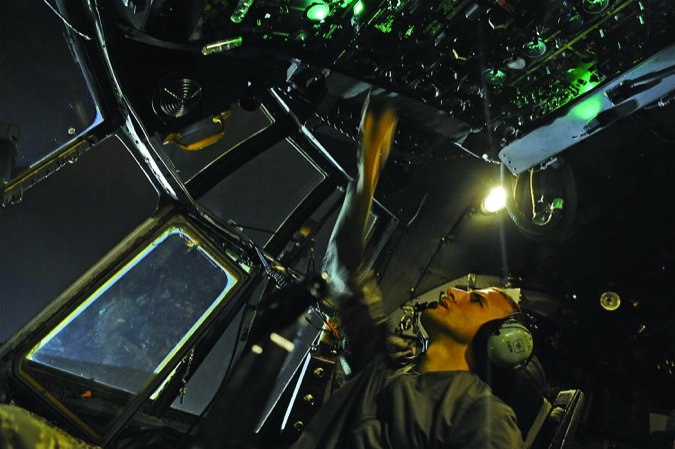
Cockpits By Braille

Stuff happens. One minute the engine may be purring like a kitten, the next it can be coughing up a hairball. Pilots who react well to such challenges often credit their training, applying the instincts honed by indoctrination without the need for excessive thought. How does that happen? Most pilots regularly practice simulating an engine out, picking a field and pitching for best glide. That is one scenario to be ready for, but emergencies come in many forms, and your preparation in advance will pay off when that time comes.


Gemini Sparkle

Key Takeaways:

  • Pilots must physically practice emergency procedures, including "chair-flying" and live drills, to develop instinctive procedural memory for effective crisis response.
  • It is crucial to identify common failure modes for one's specific aircraft and prioritize mastering responses for critical systems like fuel, air, spark, and vital circuit breaker locations.
  • Systematic cockpit familiarity through regular "flows," preflight checklists (e.g., CIGARS), and mental aids ensures swift, accurate actions, while always verifying critical steps to prevent errors.
See a mistake? Contact us.

USAF tech

Stuff happens. One minute the engine may be purring like a kitten, the next it can be coughing up a hairball. Pilots who react well to such challenges often credit their training, applying the instincts honed by indoctrination without the need for excessive thought. How does that happen? Most pilots regularly practice simulating an engine out, picking a field and pitching for best glide. That is one scenario to be ready for, but emergencies come in many forms, and your preparation in advance will pay off when that time comes.

Ready to Sell Your Aircraft?

List your airplane on AircraftForSale.com and reach qualified buyers.

List Your Aircraft
AircraftForSale Logo | FLYING Logo
Pilot in aircraft
Sign-up for newsletters & special offers!

Get the latest stories & special offers delivered directly to your inbox.

SUBSCRIBE