










Clearing Your Turns
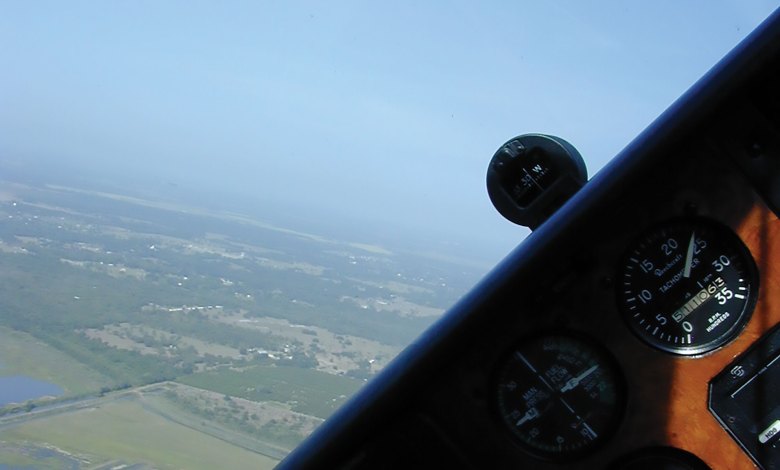
See and avoid remains the primary collision-avoidance method, but merely looking where you’re going isn’t enough.

See and avoid remains the primary collision-avoidance method, but merely looking where you’re going isn’t enough.
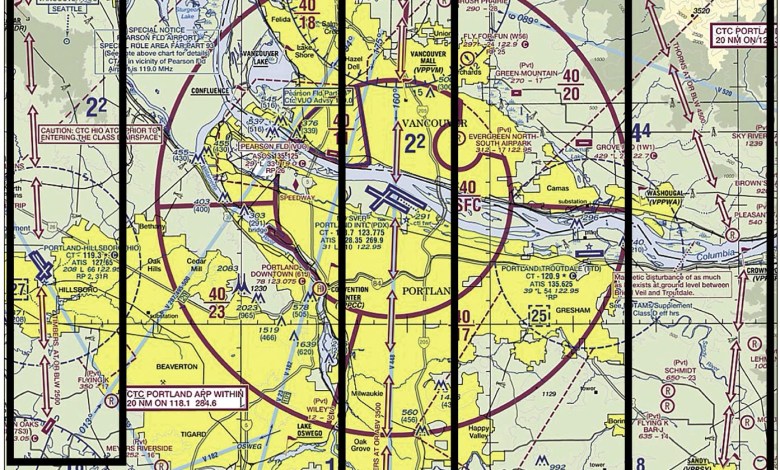
Many Class B or C airport have special VFR routes charted to help us get around or through them. Sometimes, IFR is easier.
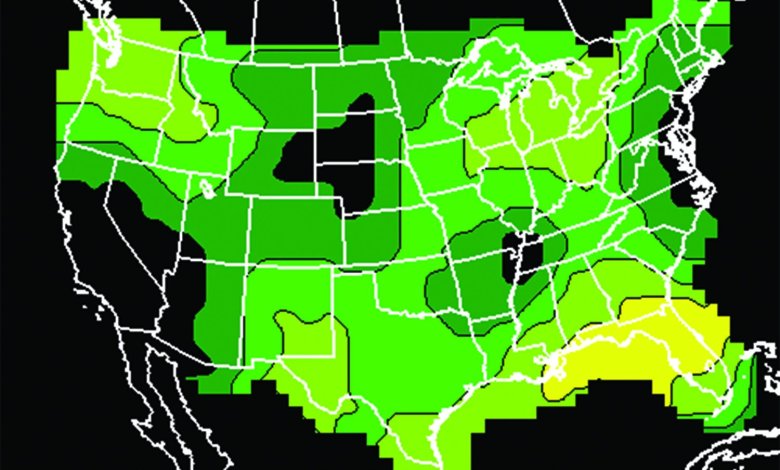
The mission was a simple day trip from my home field in southwest Florida to a familiar destination in north-central Georgia of 407 nm, planned to take 2+30 one-way. Spend a few hours on the ground visiting with an old friend, grab a late lunch, then hop back home later the same day. The airplane was ready and willing. But the weather wasnt cooperating as I wanted. The destination airport offered its own challenges. And while I was instrument-current, I wasnt as proficient with low IFR as I would have liked.
After overflying the destination runway, the crew made a steeper-than-normal approach to the 3880-foot-long runway due to terrain. According to the captain, a bump was felt near the threshold during the landing but it was not extreme. As the propellers were reversed, the airplane veered to the right. The crew corrected and the airplane tracked straight for about 2000 feet before veering sharply right, exiting the runway and spinning 180 degrees. Inspection of the runway threshold revealed several four-foot-tall piles of rocks and dirt.
During a routine training flight, the right engine was intentionally shut down to demonstrate inflight restarts. After a normal shutdown and securing procedure, the engine master switch was switched back to on per the checklist. Usually, this drives the propeller out of feather, and the restart procedure is continued. Instead, the propeller did not unfeather, even after attempting several troubleshooting procedures. The flight returned safely on the left engine.
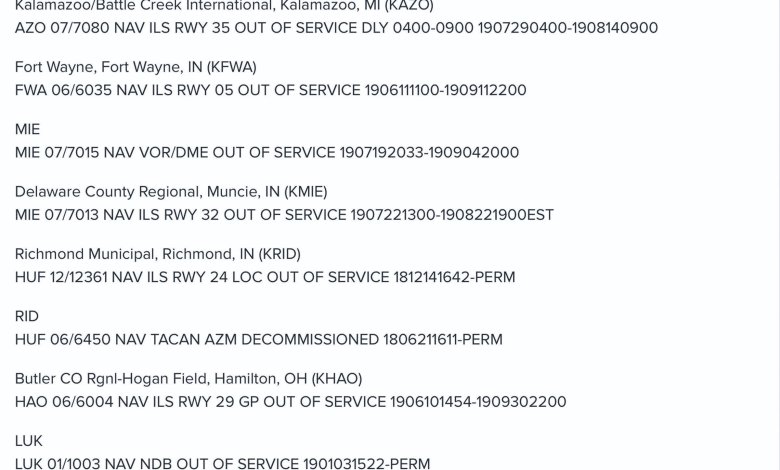
Notams have had a rocky decade, getting most of the blame in 2010 when the FAA accused U.S. Senator James Inhofe (R-Okla.) of landing on a closed runway in Texas. He maintained he researched applicable Notams as part of his preflight planning, but didnt find one for his destination. The FAA didnt agree and brought an enforcement action against the Senator. In turn, Inhofe developed and in 2012 saw enacted the Pilots Bill of Rights, which among other things mandated an overhaul of the Notam system. Subsequent legislation-2015s Pilots Bill of Rights 2, also by Inhofe-sought to further improve the Notam experience for pilots. Its the legislation that created the BasicMed option to traditional FAA medical certificates.
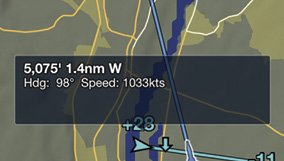
Thank you for printing in Augusts magazine the short letter I wrote, highlighting an issue I encountered just south of the Albany, N.Y., Class C airspace-a Cub showing an ADS-B altitude of 500 feet below sea level. (By the way, I passed the same Cub today at very close range. This time he wasnt showing up at all on ADS-B). In your response, you asked readers to report other anomalies, so heres one from a week or so ago.
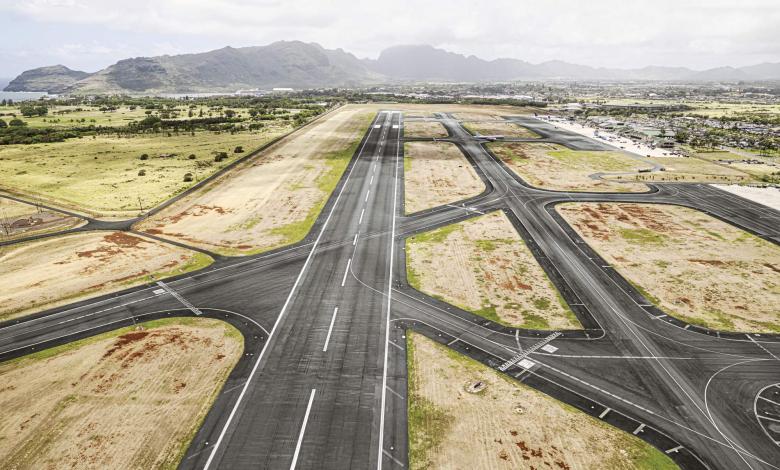
The event perhaps most demonstrative of what can happen as an aircraft ages occurred on April 28, 1988, over Hawaii. Thats when an Aloha Airlines Boeing 737-200 operating in scheduled passenger service as Flight 243 between Hilo and Honolulu lost part of its cabin roof while in cruise at FL240. The crew successfully landed the airplane after diverting to Maui. Of the 89 passengers and six crewmembers aboard, there was one fatality-a flight attendant who was swept overboard during the decompression event.
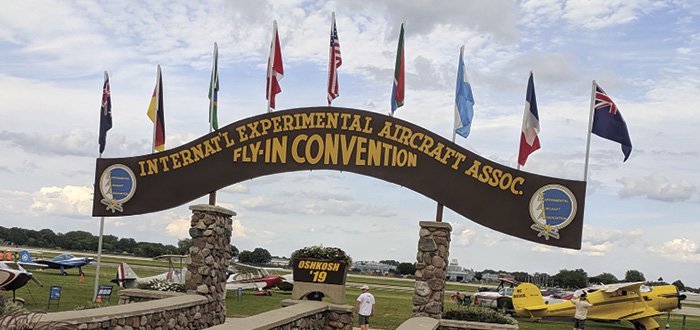
Once again, the Experimental Aircraft Association in July pulled off another great AirVenture fly-in at its home in Oshkosh, Wis. This years event had a little of everything, including torrential rain the Friday evening before Mondays opening day, nighttime air shows and lots of airplanes of every shape, size and purpose. Perhaps because the pre-show rain knocked everyone off-kilter-followed by mid-week heat-the overall event seemed to need more cowbell, but it definitely was worthwhile checking out all the new stuff and checking in with long-time friends.
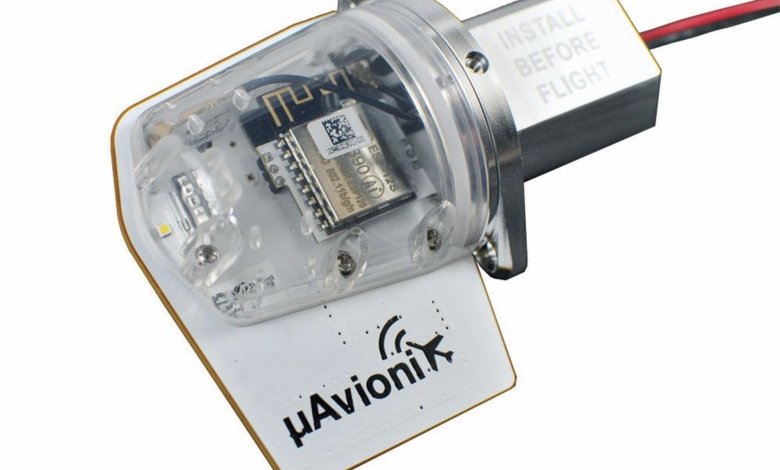
In the decade-plus since the coming ADS-B mandate became a thing for U.S. aviation, those whose operations will be affected have fallen mainly into two camps: early adopters and those who put it off as long as possible. In this binary world, I freely admit to being something of an early adopter. And despite some cool-and less expensive-new gear on the market, Im happy with my choice to equip with ADS-B in 2016. Its likely those who have taken a wait-and-see attitude also are happy.

Get the latest stories & special offers delivered directly to your inbox.
SUBSCRIBE