Proficiency

Rusty Pilots

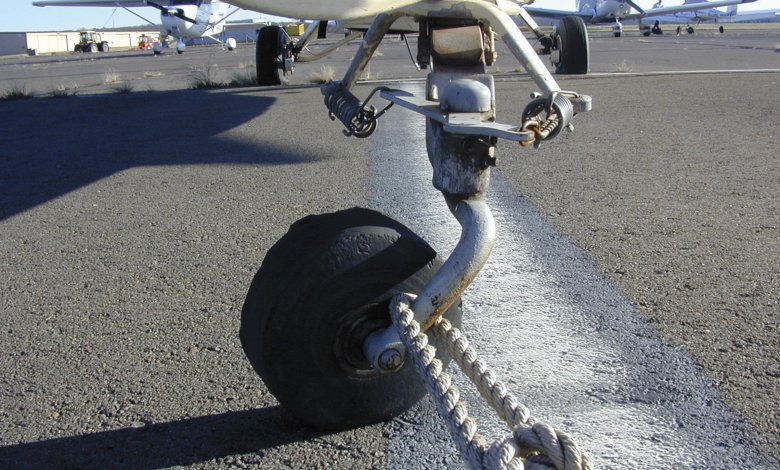
The weight of the engine is only significant in that it is part of the center of gravity of the aircraft, which naturally lies aft of the main gear in a taildragger. Therein lies the problem, especially while landing. That center of gravity, without interference, will travel in a straight line when in motion, according to Newtons First law, which is often called inertia. It is imperative that we keep the airplane (longitudinal axis) tracking and aligned with that same straight line.

Read More »

Five Reasons Not To Fly A Coupled Approach

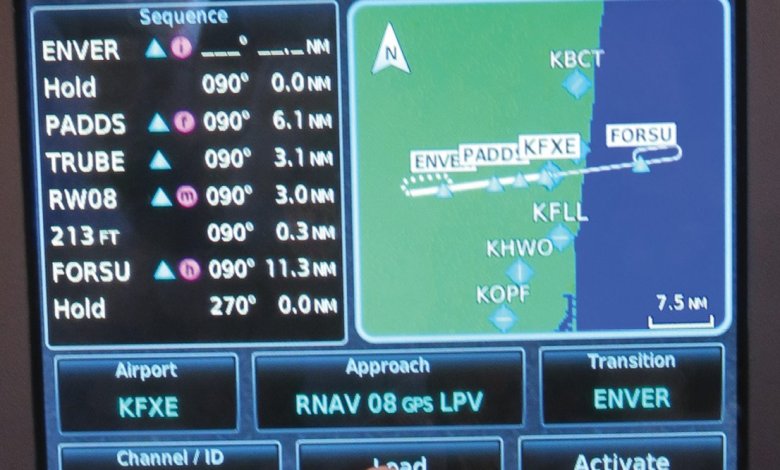
And like every other technology, autopilots have their limitations. For one, they have to be set up correctly-along with the navigation equipment-to reliably follow a heading and descend along a glidepath. Details like when to take over from the autopilot, how you might handle an equipment failure-if you notice it-and even whether to let Otto fly the missed approach or do it yourself need to be worked out ahead of time. Thats the short version of why we might want to consider hand-flying the approach. Lets expand on them.

Read More »

Catching Up

By the time you read this, Ill be getting my Debonair out of its annual inspection. Its been a lengthy one, in part because of some items I had deferred from previous inspections and in part because the airplane was new to the shop doing the work. Basically, I decided it was time to catch up on a few wear-and-tear items that pop up with any kind of machine, from a Roomba vacuum cleaner to a personal airplane.

Read More »

A New Homebuilt And Rusty Pilots

They expressed their nervousness, which was understandable. Who wants to show their flight skills to a critic when those skills are at low proficiency? It is human nature to want to show your best side, but a rusty pilot flight review will show the naked truth. I explained there is nothing wrong with being out of practice, and a flight review is not a test, but an opportunity to learn. Their anxiety acknowledged, we moved on to the needed practice.

Read More »

Flying On The Ground

Your primary training probably included a diagram explaining where the elevator and aileron controls should be positioned based on where the wind is coming from while taxiing. When we have such wind conditions-and even when we dont, if we want to be honest- we can and should use the ailerons to help control the airplane on the ground. Alas, we dont always have that diagram available, and its easy to forget whether the upwind wings aileron should be down or up. (Hint: It depends.) Lets try to come up with a one-size-fits-all understanding of when and how to use ailerons on the ground.

Read More »

Buddy System

Normally, I might have panicked, but with my experienced copilot at my side, I stayed calm. We talked through our options and decisions along as I continued to fly the plane. I began a series of small adjustments to the throttle and mixture to see how the engine responded. We quickly discovered these changes only made matters worse, so we left the settings as is. My buddy reminded me to stay high-altitude is our friend-and we looked for landing spots in case things deteriorated.

Read More »

Autopilots

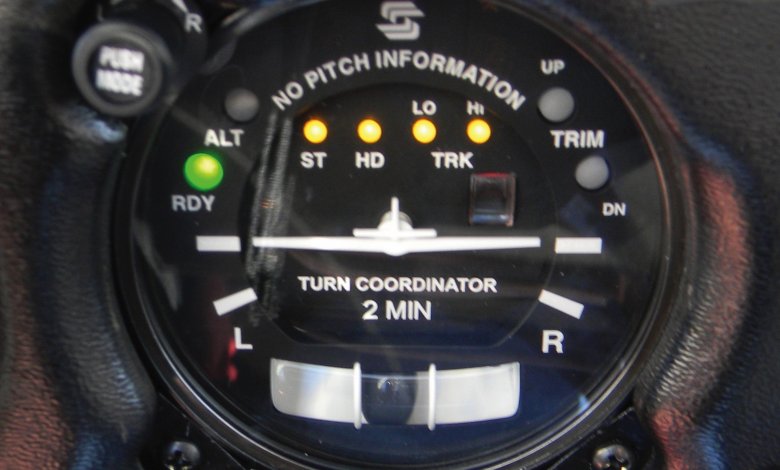
While in IFR cruise at 4000 feet, the pilot observed the flight director command bars move out of view as the airplane started a gradual descent. When the pilot corrected, the electric trim started to run nose down and the aircrafts descent rate increased. The pilot attempted to disconnect the autopilot and trim with the control switches and the red disconnect switch. None of this had any effect. With the turbulence and conditions, the pilot was unable to reach the autopilot and electric trim circuit breakers. After all other remedial procedures had failed, he shut off the avionics master switch at about 1000 feet and recovered the airplane at about 500 feet.

Read More »

Clouds In Your CAVU

For a supposedly CAVU day, I was now pointed at a solid cloud bank. I transitioned to instruments while still VFR and entered the clouds continuing toward VOR #3. It was still smooth as I crossed it and adjusted course toward VOR #4. Shortly after crossing VOR #3, there suddenly were a lot of pilots on the frequency asking for course and/or altitude changes to get out of this weather. I was still enjoying a smooth ride.

Read More »

After The Prop Stops

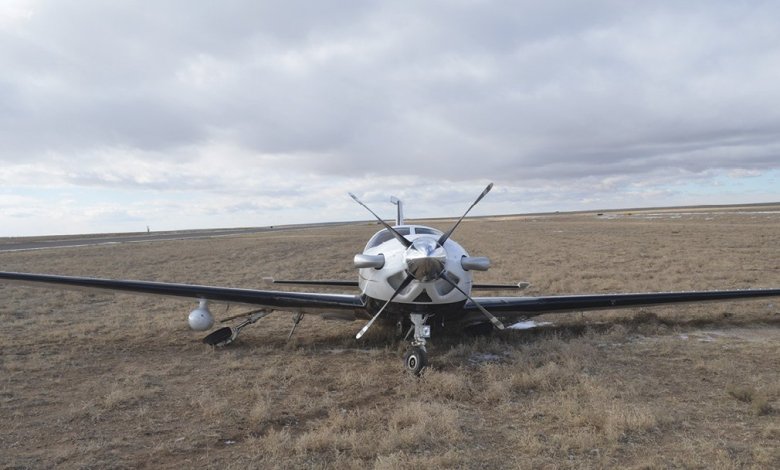
One of the oldest jokes in aviation holds that the big fan is there to cool the cockpit: Whenever it stops unexpectedly, the pilot starts to sweat. Every aviator whos had that experience can probably confirm a significant uptick in pulse and respiration. In the best case, thats accompanied by a corresponding intensification of focus, rapid execution of the memory steps of the emergency procedures checklist and efficient assessment of available alternatives. In the worst…well, those pilots arent available for interviews, but tapes of their radio transmissions can make for uncomfortable listening.

Read More »
Pilot in aircraft
Sign-up for newsletters & special offers!

Get the latest stories & special offers delivered directly to your inbox.

SUBSCRIBE