











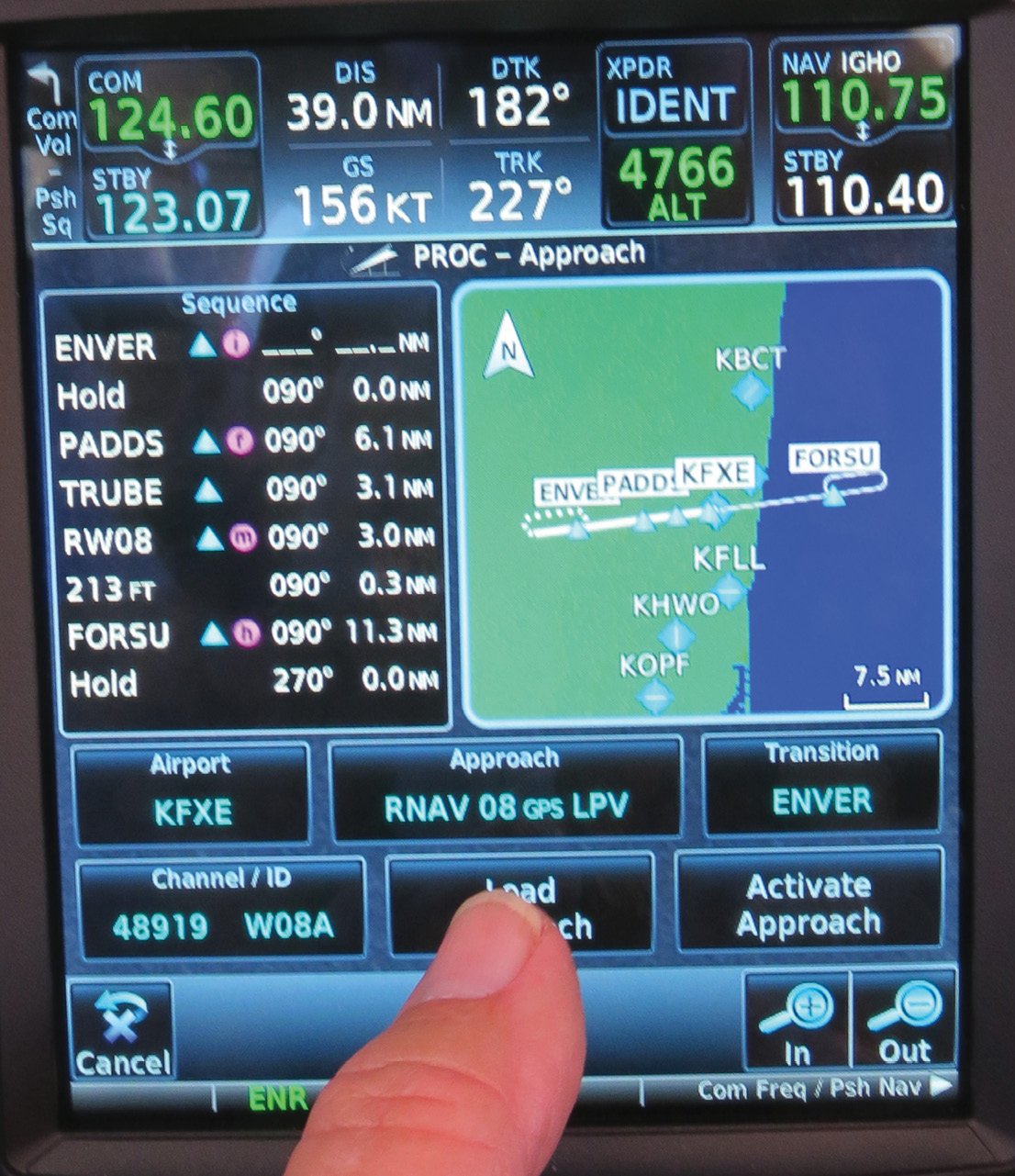


Many of us like to fly autopilot-coupled instrument approaches as a standard operating procedure. After all, it’s common to use the autopilot in cruise, so why not let it fly the arrival and approach, too? One reason is that it’s also common that pilots will come to depend on the autopilot to make up for shortcomings in confidence, skill or proficiency.
And like every other technology, autopilots have their limitations. For one, they have to be set up correctly—along with the navigation equipment—to reliably follow a heading and descend along a glidepath. Details like when to take over from the autopilot, how you might handle an equipment failure—if you notice it—and even whether to let Otto fly the missed approach or do it yourself need to be worked out ahead of time. That’s the short version of why we might want to consider hand-flying the approach. Let’s expand on them.


