Multi-engine High Proficiency

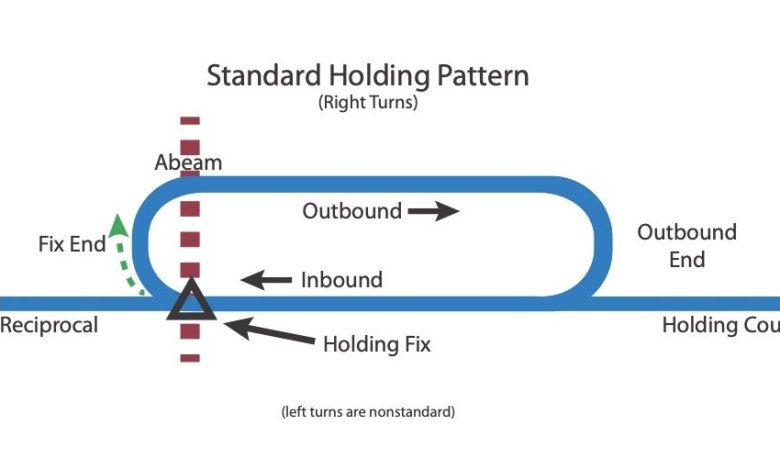
Hold Everything

Full disclosure: I suck at holds. I can find the fix and figure out the recommended entry method without too much trouble. And I usually turn the correct direction upon crossing the holding fix. Usually. After that, things start to become loosely held, and it might take me a couple of laps to nail the wind correction angles. Throw in a descent while in the hold and my cockpit gets busy. I guess thats why the FAA a few years ago added holding patterns to the maneuvers required to accomplish an instrument proficiency check. Its all my fault.

Read More »

Notam Changes Coming

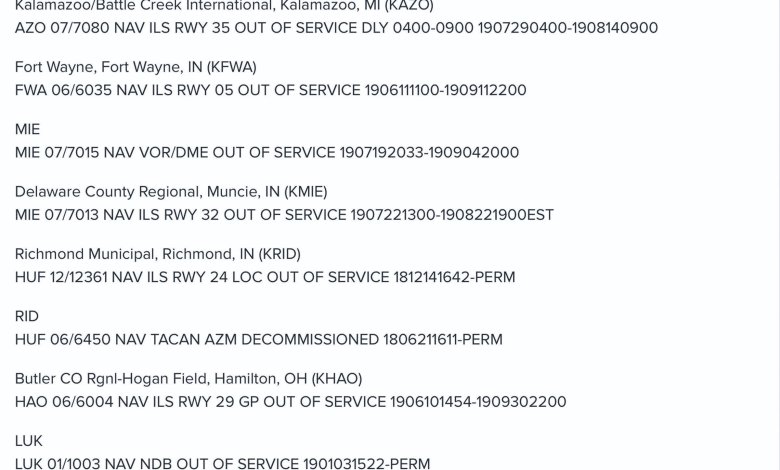
Notams have had a rocky decade, getting most of the blame in 2010 when the FAA accused U.S. Senator James Inhofe (R-Okla.) of landing on a closed runway in Texas. He maintained he researched applicable Notams as part of his preflight planning, but didnt find one for his destination. The FAA didnt agree and brought an enforcement action against the Senator. In turn, Inhofe developed and in 2012 saw enacted the Pilots Bill of Rights, which among other things mandated an overhaul of the Notam system. Subsequent legislation-2015s Pilots Bill of Rights 2, also by Inhofe-sought to further improve the Notam experience for pilots. Its the legislation that created the BasicMed option to traditional FAA medical certificates.

Read More »

Preflight, Interrupted

The airline industry long ago figured out that one of the most dangerous things in aviation is two pilots trying to fly the same airplane at the same time. One inevitable result of such an arrangement is that there are times when no one is flying, and one of the ways we know this is from the accident record. Airlines evolved the pilot-flying/pilot-not-flying concept to acknowledge this characteristic of crewed cockpits and established clear responsibilities for each pilot.

Read More »

Airborne Hot Spots

The FAA defines a hot spot as a location on an airport movement area that demands heightened attention by pilots and vehicle operators due to the history of potential collision or runway incursion. Knowing where any hot spots are at the airports you intend to use arms you with useful risk management information. Meanwhile, the FAA has gone sort of nuts with the airport hot spot concept. Dont believe me? Check out the airport diagram for Addison Airport (KADS) in Dallas, Texas, below. Every taxiway intersection east of the runway is a hot spot.

Read More »

Ill Be Missing You

We all know how to fly a missed approach. We probably did a handful of them on our instrument checkrides, and when were out practicing approaches, even in a sim, we most often go missed. We may not be flying a full missed approach procedure as published, but we still have to reconfigure the airplane and climb away. When were practicing, we know how the approach will terminate: by going around at the missed approach point. Its what we expect when practicing.

Read More »

Behind The Curve

The only time Ive performed what I consider to have been a for-real high-altitude takeoff, it went fine. I was at Albuquerque, N.M.s Double Eagle II airport, elevation some 5800 feet. It wasnt the middle of summer, but it was a warm, sunny fall afternoon. I dont recall which runway I used, but it offered more than enough length for my Debonair, which carried only me, some gear and full fuel. As Id been trained, I leaned the engine before the takeoff and let the airplane fly itself off the runway. I handled it gently until gaining enough airspeed to establish a proper climb and I had some altitude.

Read More »

Mufflers

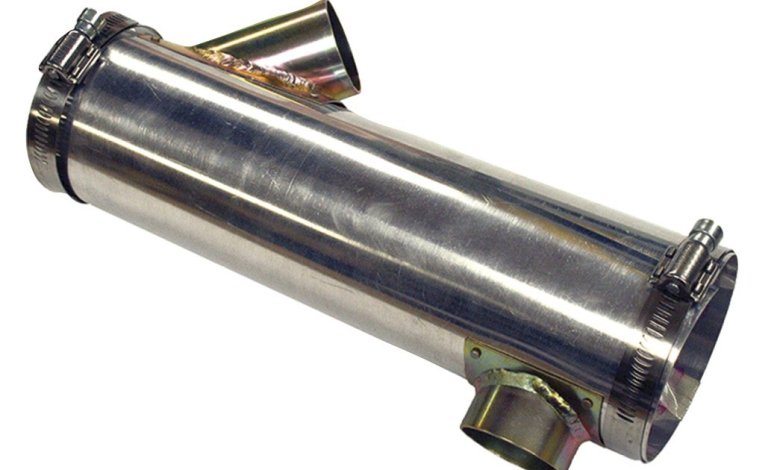
While carrying out Canadian AD CF90-03-R2, large leaks were found in the area surrounding the muffler tail pipe area under the structure for supporting the heat muff shroud. No defects were noticed in a visual inspection of this area. No data tag was on the muffler, so its assumed it is an original unit. The operators logs dont show it ever being changed.

Read More »

Is ADS-B In Helping?

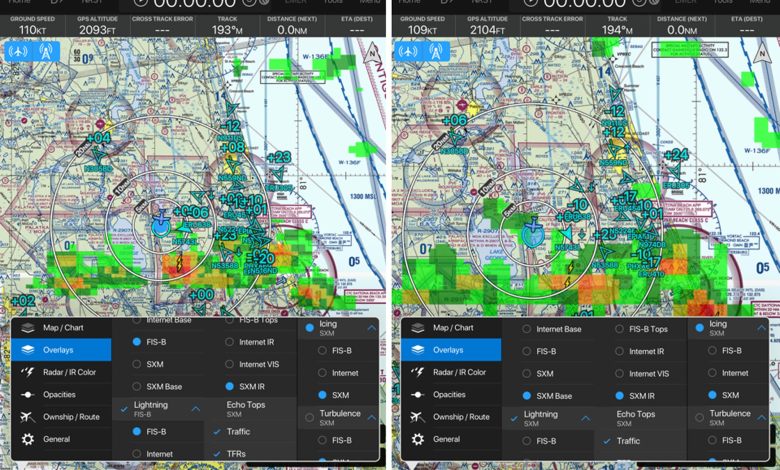
There probably are few pilots in the U.S. who arent aware of ADS-B and its In and Out flavors. The traffic and weather services ADS-B In brings to the cockpit have proven popular and inexpensive, portable receivers used with consumer-grade tablet computers have proliferated along with panel-installed equipment to bring enhanced situational awareness to even the lowliest cockpit. Yes, the data and information available through ADS-B In is for advisory purposes only-it cant be used in lieu of airborne radar or collision-avoidance equipment required by operating rules.

Read More »

Runway Incursions

There once was a time when piston singles were more prevalent at the Washington Dulles International Airport than they are today, and one evening I was in one of them, coming or going, on the ground control frequency. Another light airplane called for taxi clearance and, based on its position, was routed to a departure runway as far away as humanly possible from its parking spot. The pilot responded, Uh, ground, that looks kind of far; do you mind if we just fly over there?

Read More »

Dark Acceleration

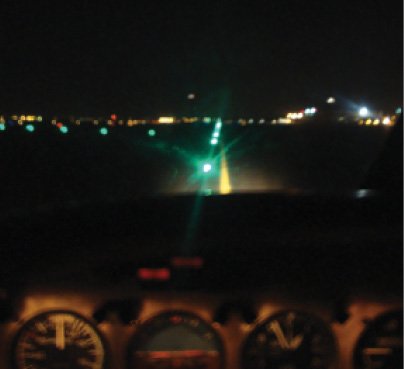
I like to fly at night. The air generally is smoother, theres less traffic, the ATC frequencies are not as busy and ground illumination, the moon and the stars can compete in one of the best light shows youll ever see. Of course, humans were never meant to fly in the first place, and we often have difficulty actually seeing things at night. So we need to be mindful of night flyings risks and adopt procedures or limitations mitigating them.

Read More »
Pilot in aircraft
Sign-up for newsletters & special offers!

Get the latest stories & special offers delivered directly to your inbox.

SUBSCRIBE