Multi-engine High Proficiency

The Big Picture

I ts widely accepted that having good situational awareness is vital to safe and efficient flying. But what does situational awareness even mean? How do we develop and maintain the good kind? How do we fit ourselves into the big picture, and why is it important to do so? And once we understand these aspects of situational awareness, how can we use it to make things easier? On three recent flights, I feel I had a high level of situational awareness and used it to make a difference. In one I used my knowledge of my place in the big picture to help another pilot. In the second I used it to help myself. In the third I used it to eliminate a possible delay on an approach. Heres what Im talking about.

Read More »

Two Guys In A Learjet

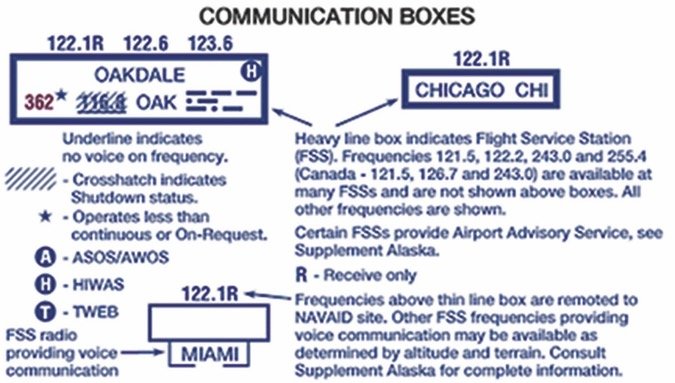
After the usual say again your callsign back and forth, the controller determined there was no flight plan on file. A new voice from the Learjet, probably the captain, asked if he could air-file over the ATC frequency. The controller instead suggested the Lear could file its flight plan over the radio by talking to Flight Service. This is when it got interesting: The Learjet then asked for the Flight Service frequency and a clearance to 17,500 feet. It got even more interesting when ATC suggested calling Flight Service on 122.1 MHz. All of a sudden, here were three blatant examples of poor airmanship and incomplete knowledge.

Read More »

Landsberg Becomes NTSB Vice-Chairman

From the military to his long tenure at the AOPA Air Safety Institute, Bruce Landsberg has a long and respected career in aviation safety, years of experience that will serve him well at the NTSB, said AOPA President Mark Baker. We thank the White House for nominating him and the Senate for its confirmation vote. General aviation is safer than ever, and we look forward to working with him and the NTSB to keep improving and giving pilots the resources and training they need to fly safer.

Read More »

ELTs

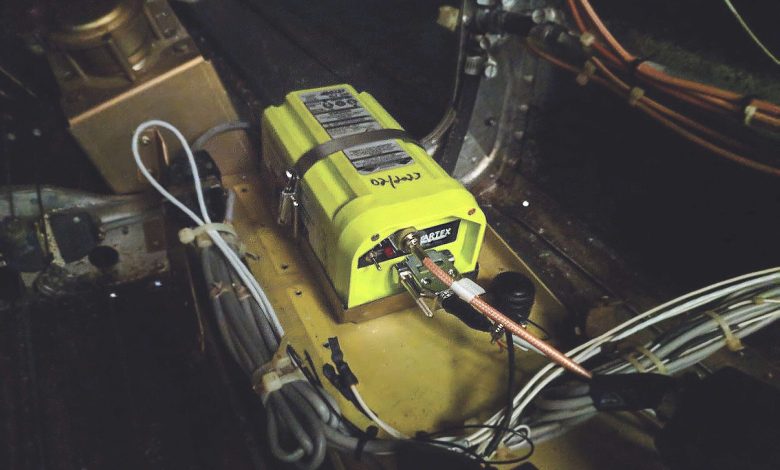
Those first ELTs, produced under FAA technical standard order (TSO) C91, failed to activate in a crash more than 75 percent of the time. When they did activate, according to AOPA, 97 percent of the time it was a false alarm. By 1985, when the FAA revised the standards and came up with TSO-C91a, a lot of the bugs had been worked out, but the ELTs troubled history painted it with a mostly deserved reputation for unreliability. Those earlier devices still meet the FAAs requirement to carry an ELT (see the sidebar on the bottom of the opposite page), but it perhaps is time they were retired in favor of newer technology.

Read More »

When To Go Visual

I had flown a full day with the new owner of a turbocharged Beech Bonanza, a recently retired airline pilot who also had been a U.S. Air Force tanker pilot. He was IFR proficient from the airline and wanted to focus on visual and hand-flying skills while orienting to his airplanes autopilot and avionics. He did a great job and got markedly more comfortable with the airplane as the day progressed. At the end of the day, I recommended he get more experience with the airplane before going IFR in it. We shook hands and I went to my office to complete my paperwork.

Read More »

Air In The Tanks

I was flying my Cessna T210R Turbo Centurion from the Westchester County Airport (KHPN) in White Plains, N.Y., to the Dekalb-Peachtree Airport (KPDK) in Atlanta, Ga., on a dark night. I departed KHPN IFR but encountered unlimited visibility over North Carolina and cancelled. Before takeoff, I observed line personnel fill both fuel tanks. I had planned to have an hours fuel reserve on landing at PDK, and there hadnt been any unforecast headwinds. However, as I passed over Greenville, S.C., at 12,500 feet, both fuel gauges showed the tanks nearly empty.

Read More »

Making GA Safety Policy

Recent, similar efforts involving the FAA and the GA community are picking up in tempo. Youve already seen some of the institutional changes: relaxed certification standards for installing advisory angle-of-attack indicators and the new rash of all-electronic attitude indicators, among others, which are designed to help minimize the classic loss-of-control inflight accident. These and other outcomes may be producing tangible results, but its too early to be sure. Regardless, by using a data-driven approach and producing specific safety enhancements, these efforts are creating some useful outcomes for GA pilots. The way this came to be is an example of why you never want to see sausage made.

Read More »

Its Your Job To Check

Theres an opinion among some pilots and mechanics that inspections and scheduled maintenance can do more harm than good. By constantly disassembling and reassembling an aircraft to inspect it, they argue, were prematurely wearing out the aircraft and actually making it less safe. Those same pilots and mechanics note that this is largely true, in their opinion, for aircraft that arent flown very much. For more active aircraft, however, they acknowledge that regular inspections and maintenance are less intrusive and, in fact, beneficial.

Read More »

FAA Urges Best Practices For Turbocharger Exhaust

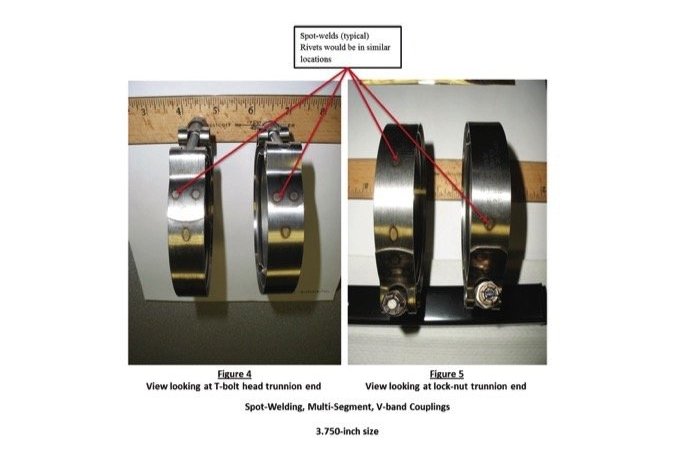
As part of its charter to help minimize GA accidents, the General Aviation Joint Steering Committee (GAJSC; see the article beginning on page 4 for background) earlier this year published a Best Practices Guide designed to ensure airplanes equipped with turbocharged reciprocating engines fitted with turbocharger to tailpipe V-band coupling/clamps, remain in their original type design configuration. It will also help to effectively manage the risk associated with the use of V-band coupling/clamps in this application.

Read More »

Smarter Than Direct

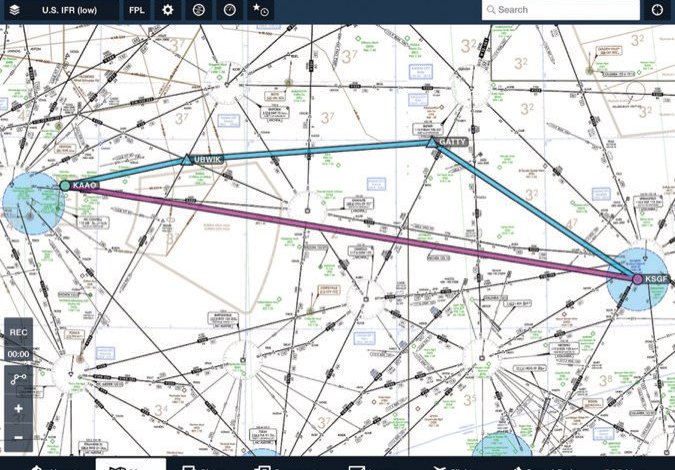
Dont you hate it when this happens? November 12345, I have an amendment to your clearance…advise when ready to copy. Then ATC gives you the barely pronounceable name of a waypoint you never heard of. Youre given a re-route around restricted airspace or a military operations area (MOA) that just went hot. Or youre making a short positioning flight in IMC, and have to make rapid-fire GPS flight plan updates and heading changes when youre cleared for a approach just as youre leveling off from climb.

Read More »
Pilot in aircraft
Sign-up for newsletters & special offers!

Get the latest stories & special offers delivered directly to your inbox.

SUBSCRIBE