











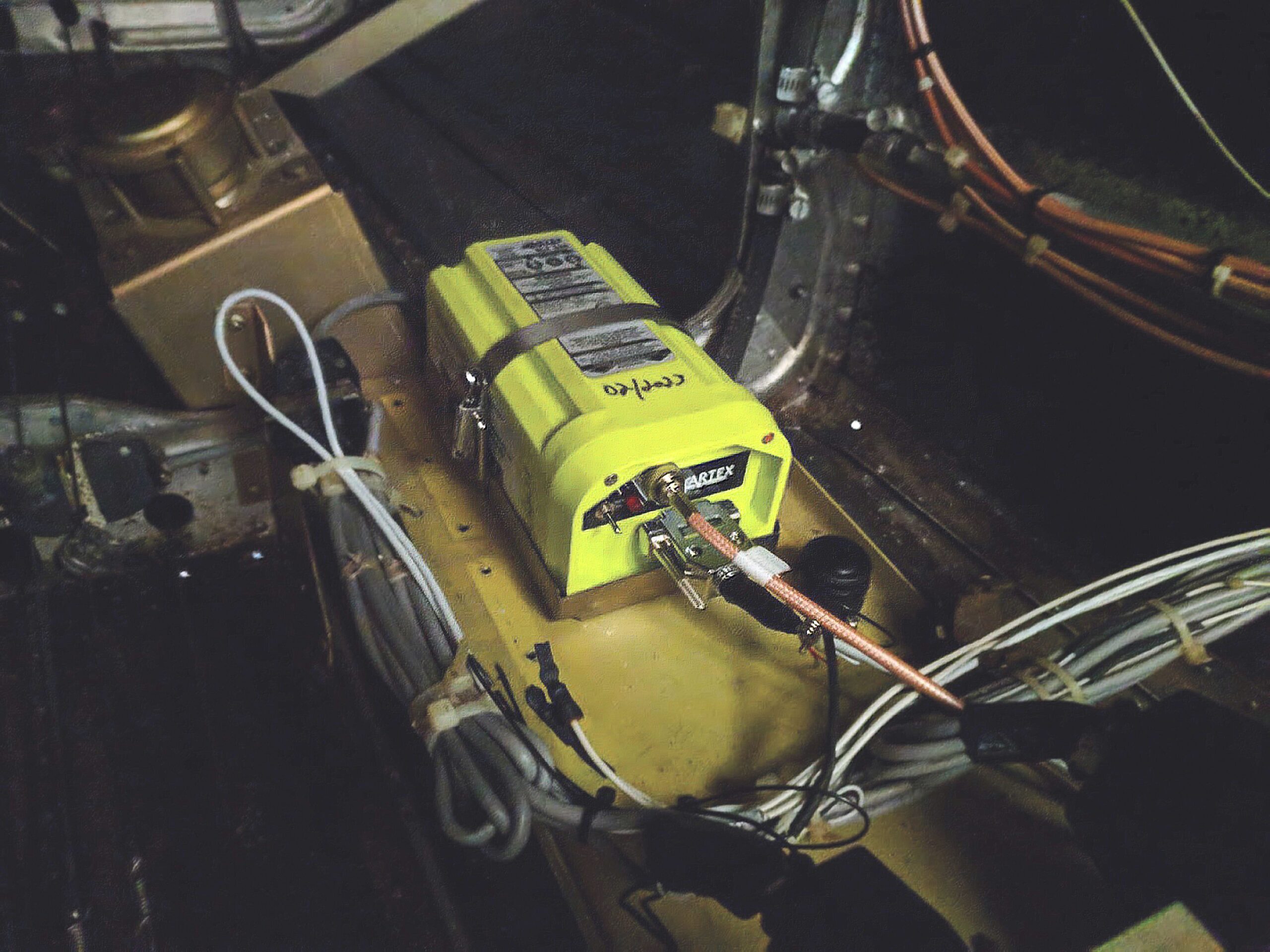


The emergency locator transmitter, or ELT, has long been one of the most problematic devices regularly carried aboard general aviation aircraft. When first mandated in the early 1970s, there weren’t enough of them available to equip the fleet, and replacement parts and batteries were scarce. Nevertheless, the FAA was interpreting the law mandating them to mean an aircraft without a working ELT wasn’t airworthy. Hilarity ensued.
Those first ELTs, produced under FAA technical standard order (TSO) C91, failed to activate in a crash more than 75 percent of the time. When they did activate, according to AOPA, 97 percent of the time it was a false alarm. By 1985, when the FAA revised the standards and came up with TSO-C91a, a lot of the bugs had been worked out, but the ELT’s troubled history painted it with a mostly deserved reputation for unreliability. Those earlier devices still meet the FAA’s requirement to carry an ELT (see the sidebar on the bottom of the opposite page), but it perhaps is time they were retired in favor of newer technology.

