Instrument Check

Exhaust Matters

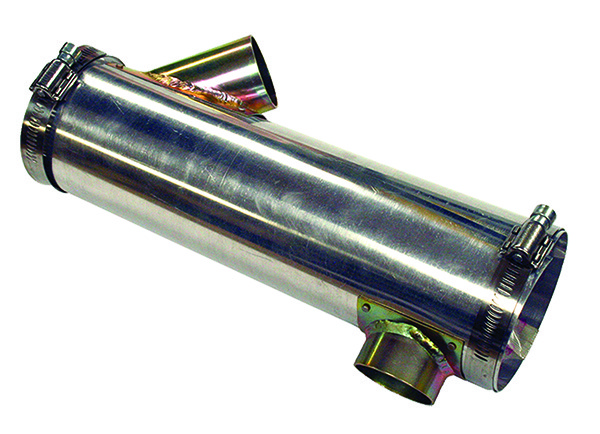
Cessna 172M Skyhawk Leaking Tailpipe While carrying out the pressure test in AD CF90-03-R2, large leaks were found in the area surrounding the muffler tailpipe area under the heat muff shroud support structure. No defects in this area were visible. Without the pressure test, this defect would not have been found. It is assumed the […]
Read More »

Back To School

Long ago and far, far away from where I am now, I was a relatively fresh private pilot attending college in a town sufficiently distant from my family’s home that impromptu visits were impractical. As a nationwide election approached, I realized the deadline for requesting an absentee ballot had come and gone, and I wouldn’t […]

Read More »

Control Cables

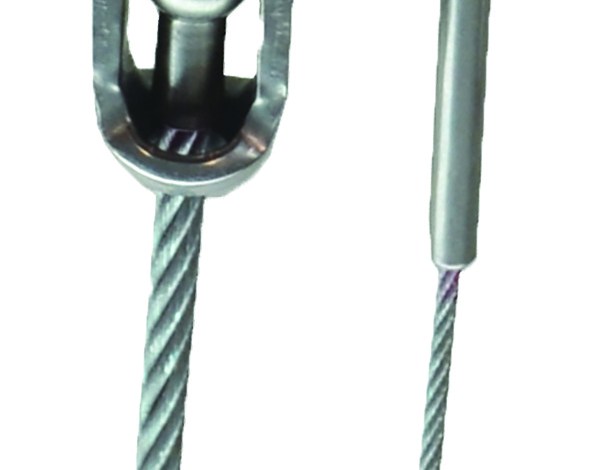
Beechcraft Model 58 Baron Broken Propeller Control Cable While en route, the right engine oversped to 3500 rpm and had no control. Shut the engine down and landed with no further problem.  Maintenance ran the right engine and it made takeoff power, but had no propeller control. Found prop control cable broken. Going to remove […]

Read More »

Going Home Nordo

My little Cessna 140 had just gotten out of a four-month top-end overhaul and it was time to stretch its legs, with a 786-sm flight to Des Moines, Iowa, my hometown. It would replicate my late Dad’s flight in the opposite direction with a few more fuel stops. After watching the weather for 10 days, […]

Read More »

Night Marginal Visual Flight Rules

The takeoff and departure flight phase can be one of the more risky among instrument procedures, especially at night in IMC aviation. On one hand, the pilot is abruptly transitioning from a presumably well-lit runway and airport environment to flying on instruments near terrain. On another hand, the airplane may not be up to the […]

Read More »

Energy Errors

The FAA’s Airplane Flying Handbook (AFH, FAA-H-8083-3C) describes energy management as “the process of planning, monitoring, and controlling altitude and airspeed,” which seems straightforward enough. Using the available tools, primarily pitch and power, we’re expected to attain and maintain “desired vertical flightpath-airspeed profiles, detect, correct and prevent “unintentional altitude-airspeed deviations” and prevent “irreversible deceleration and/or […]

Read More »

Polishing Your Scan: Our Top Five Tips

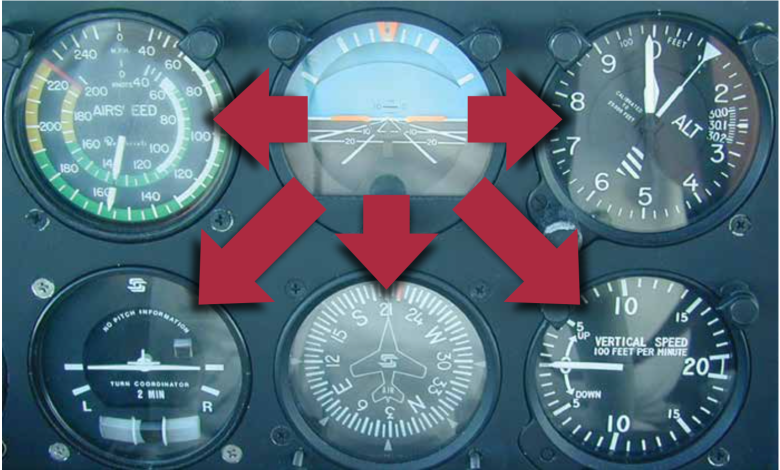
One of the first things an instrument student learns is to scan instruments in the panel, or their EFIS presentation, to determine the aircraft’s attitude. Focusing only on the attitude indication initially, we slowly learn to expand our scan to other instruments, however they’re represented, both for confirmation of what the AI is telling us […]

Read More »

Brake Master Cylinders

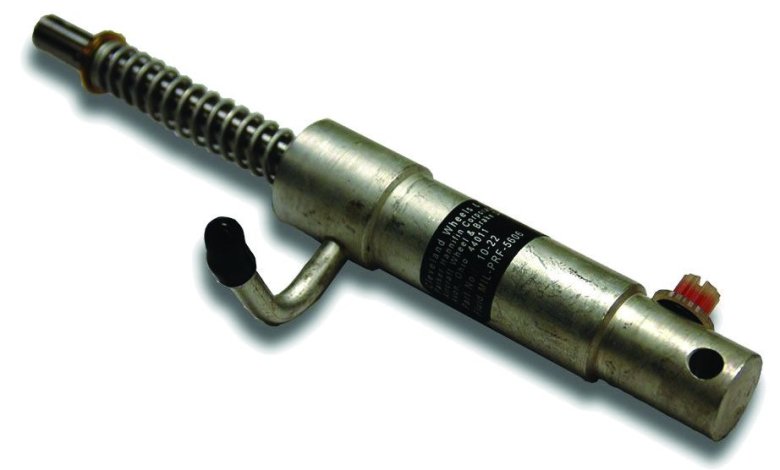
After a brake master cylinder was installed, the technician was unable to bleed the brake system. Fluid pulled from reservoir would return to reservoir through the same line as the internal bypass was not functioning properly. Master cylinder was disassembled and bypass was found stuck and unable to move. Metal shavings were found inside, and an O-ring was torn, with black specks mixed in with the shavings. Part replaced with new master cylinder.

Read More »

Top Ten Tips For Managing Risk

Everyone talks about the weather but no one ever does anything about it. (Stop me if youve heard that before.) The same could be said about managing the risk of general aviation. We-both this magazine and the industry as a whole-spend a lot of time preaching to pilots about the mechanics of understanding weather forecasts, determining if the aircraft is capable, and making honest evaluations of our own performance in considering how and when to conduct a flight. But once we identify the need to mitigate a risk, we sometimes have little space left over to describe the tools we can use. Lets try to fix that.

Read More »

Notam Changes Coming

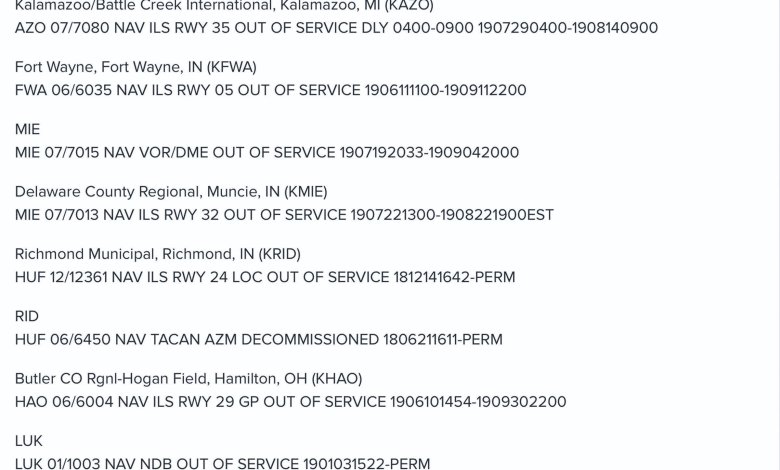
Notams have had a rocky decade, getting most of the blame in 2010 when the FAA accused U.S. Senator James Inhofe (R-Okla.) of landing on a closed runway in Texas. He maintained he researched applicable Notams as part of his preflight planning, but didnt find one for his destination. The FAA didnt agree and brought an enforcement action against the Senator. In turn, Inhofe developed and in 2012 saw enacted the Pilots Bill of Rights, which among other things mandated an overhaul of the Notam system. Subsequent legislation-2015s Pilots Bill of Rights 2, also by Inhofe-sought to further improve the Notam experience for pilots. Its the legislation that created the BasicMed option to traditional FAA medical certificates.

Read More »
Pilot in aircraft
Sign-up for newsletters & special offers!

Get the latest stories & special offers delivered directly to your inbox.

SUBSCRIBE