













Going Home Nordo

Gemini Sparkle

Key Takeaways:

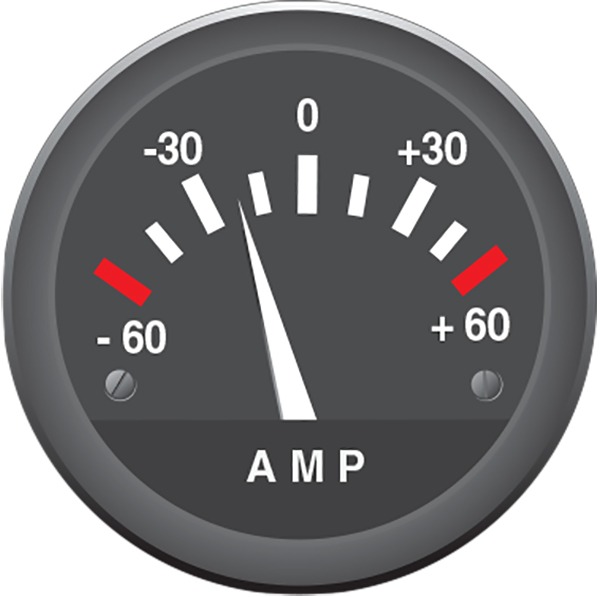
  • During a cross-country flight, the pilot experienced a complete electrical system failure in their Cessna 140, losing critical instruments, radio, and transponder.
  • Facing limited daylight and a dead battery, the pilot successfully hand-propped the aircraft, briefly used a GPS for wind correction, and navigated the remaining 3.5 hours by pilotage to arrive safely.
  • Key lessons learned included the importance of hydration, managing stress and pace during emergencies, the critical role of current paper charts as backup, and the value of experienced human judgment in flight planning.
See a mistake? Contact us.

My little Cessna 140 had just gotten out of a four-month top-end overhaul and it was time to stretch its legs, with a 786-sm flight to Des Moines, Iowa, my hometown. It would replicate my late Dad’s flight in the opposite direction with a few more fuel stops.

After watching the weather for 10 days, I launched. Being conservative, I scheduled 2.5-hour legs with an overnight stop, dividing eight hours of flying into two days. Uneventfully, I arrived at my destination the following day.


After a few days in Iowa, I started watching the weather again, launching on a Friday. Climbing out, I was headed high (for my 140!) to 8000 feet for following winds. Things were going too well to believe when I noticed the red flag on my turn and bank indicator. That was kind of strange but I plowed forward. The handheld GPS was working fine, no worries. Then the radio failed with a low, gulping sound in the headset. Ruh, roh!

As I’m contemplating my navel and the regs and my route, the transponder folds. Next, my GPS warned of a power loss and politely asked if I wanted it to stay on. (Yes!) All the electrical equipment I had left was the panel clock, which died three hours later.

I landed at Walnut Ridge, Ark. A kindly mechanic looked at the generator fuse and fetched another, all to no avail. Sunset at home was at 6:21 local, so I had to move through my fuel stop with determination to avoid night flying. I phoned the tower at my destination to inform them that I may be arriving Nordo shortly before quitting time.

Of course, the battery was dead, so hand-propping was the only way home. I tied it down good and it started with a roar, pulling on the ropes. I hopped aboard, took off and climbed to altitude, and then powered up the GPS—immediately eying its sagging battery indicator. I leveled off at 8000, established full cruise speed and noted the wind correction angle needed to track the magenta line. I then switched the GPS off, flying the 3.5-hour leg via pilotage, arriving uneventfully at my destination with 15 minutes of civil daylight left, five minutes after the tower closed. They had switched on the beacon.

Lessons learned: Drink plenty of water and take something substantial to eat for long cross-country flights. My strict water rationing to avoid bathroom breaks on the way up caused headaches and dehydration.

The pressure was on in Walnut Ridge—I was running out of daylight and still fighting the disorientation of having lost the aircraft’s electrical system. Although I tried to pace myself, this half hour of refueling, troubleshooting and hand-propping was at the limit of safety.

Carry current charts! These wound up getting me home and the hours of flight planning were of some comfort after all else failed, even with the onset of twilight.

Planning the flight introduced me to new resources, but there is no substitute for a 20-year veteran at Leidos giving contextual judgments about weather along your route.

[su_box title=”Learning Experiences” box_color=”#000000″]

Have you encountered a situation or hazardous condition that yielded lessons on how to better manage the risks involved in flying? Do you have an experience to share with Aviation Safety’s readers about an occasion that taught you something significant about ways to conduct safer flight operations? If so, we want to hear about it.

We encourage you to submit a brief (500 words) write-up of your Learning Experience to Aviation Safety for possible publication. Each month, Aviation Safety publishes a collection of similar experiences sent to us by readers. Sharing with others the benefit of your experience and the lessons you learned can be an invaluable aid to other pilots.

You can send your account directly to the editor by e-mailing it to avsafetymag@gmail.com. Put “Learning Experience Submission” in the subject line; add your name and daytime telephone number at the bottom of the e-mail.

Your report will be considered for publication in the Aviation Safety’s readers’ forum, “Learning Experiences,” and may be edited for style and length. Anonymity is guaranteed if you want it. No one but Aviation Safety’s editor is permitted access to the reports. Your name and telephone number are requested only so that the editor can contact you, if necessary.

While we can’t guarantee your submission will get published, we can guarantee that we’ll closely review and consider using it.

All Learning Experience submissions become the property of Aviation Safety and may be republished.

[/su_box]

Ready to Sell Your Aircraft?

List your airplane on AircraftForSale.com and reach qualified buyers.

List Your Aircraft
AircraftForSale Logo | FLYING Logo
Pilot in aircraft
Sign-up for newsletters & special offers!

Get the latest stories & special offers delivered directly to your inbox.

SUBSCRIBE