Instrument Check

Air In The Tanks

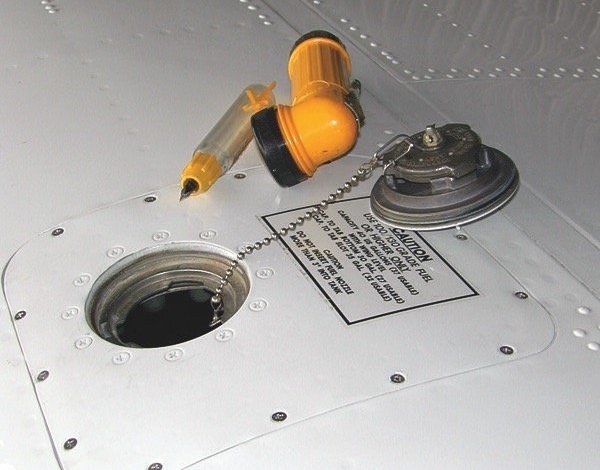
Ive owned Cessna T210s since 1977; first a 1969 J model and then a 1979 N model with a TSIO-520-R engine. In the 1980s, there were a number of fuel exhaustion accidents in 210s, all of them attributable to not getting a full fill and resulting in being shorted an hours supply when fueling stops after fuel backs up out of the filler port. The outboard sections of the fuel tanks are slightly higher than the bottom of the filler port. To get the last one-plus gallons in the tanks requires the slowest of fueling until reaching the real full point.
Read More »

Truth In Icing

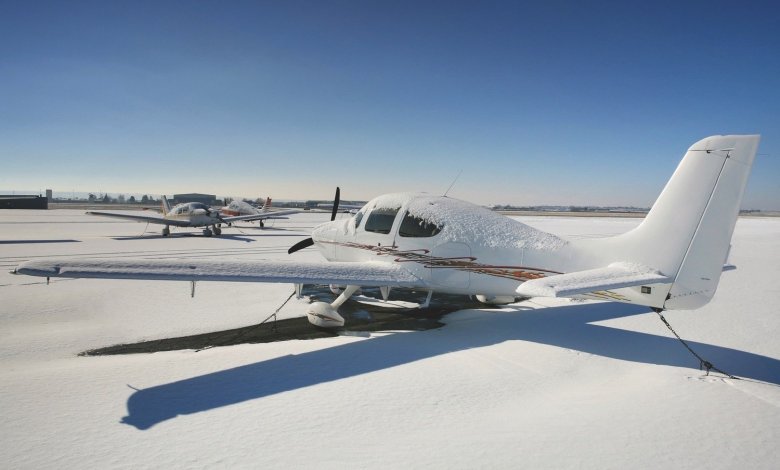
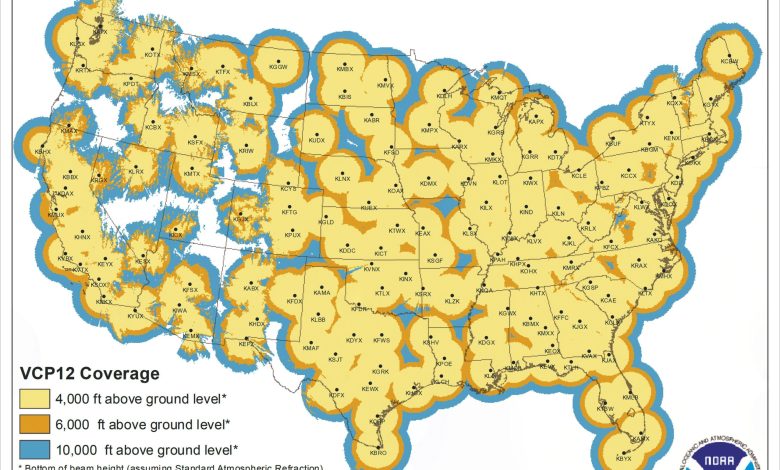
I received a call from the owner of a turbocharged, high-performance single who lives in the Great Lakes region, well-known for icing conditions in late autumn, winter and early spring. His airplane was equipped with an aftermarket TKS-style ice protection system and was not FAA-approved for flight in known icing (FIKI). The pilot wanted to discuss strategies for flight during the cold times of the year, including insights into conditions where icing layers are vertically thin and/or rates of ice accumulation are typically light (or even only a trace).

Read More »

Trajectories

As someone whos researched my share of aviation accident reports over the years, its frustrating to dissect those reports and pick out the various missteps made and the points at which a change in direction, a precautionary landing or other mitigation would have altered the outcome. Loyal readers of this journal understand that aviation accidents arent preordained and, instead, often result from a complex series of events occurring over time. Its often called the accident chain, a term recognizing how these events are linked. Often, individual events occurring in an accident chain, by themselves, would not result in a new accident report. The accident chain concept has great value, but Ive come to think of it as a trajectory instead of a chain.

Read More »

Undoing An Upset

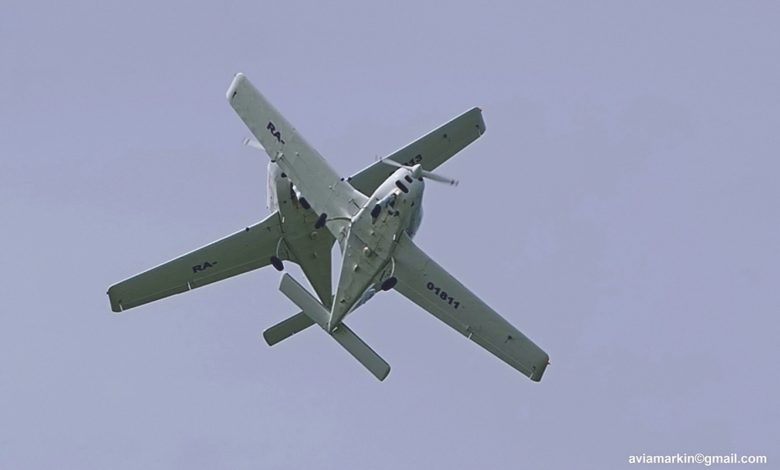
Lets start by dispensing with the obvious: Loss of control in flight is a lousy explanation, and not much better as a description. Eventually well come up with something better, which hopefully will reflect the myriad ways pilots can let aircraft get away from them. Spatial disorientation in IMC is as different from a moose stall as wake turbulence is from sloppily flown S-turns on final. At best, the ICAOs accident taxonomy-adopted by the FAA and NTSB, presumably in the name of harmonization-provides snapshots of how accident sequences end with negligible insight into what triggered them or how they developed. As a safety strategy, Dont lose control is about as useful as Dont let the engine quit.

Read More »

Landsberg Becomes NTSB Vice-Chairman

From the military to his long tenure at the AOPA Air Safety Institute, Bruce Landsberg has a long and respected career in aviation safety, years of experience that will serve him well at the NTSB, said AOPA President Mark Baker. We thank the White House for nominating him and the Senate for its confirmation vote. General aviation is safer than ever, and we look forward to working with him and the NTSB to keep improving and giving pilots the resources and training they need to fly safer.

Read More »

Familiarity, Contempt

If youve been flying for very long, its likely theres a route you frequently use. It could be a quick out-and-back to the nearest $100 hamburger or cheapest avgas, or an hours-long trek to Grandmas house. Its something youve flown often and know well enough to almost do it without a chart. You understand the topography along the way, where the bolt holes are and how any weather may influence the flight. You may even have a couple of the frequencies memorized, along with expected ATC routings.

Read More »

Potpourri

By the time you read this, itll be late September or early October. In some regions of the U.S., that means leaves changing color, frost on the pumpkin and winterizing the house, the vehicles and the airplane. In other regions, like where I am, it means shutting off the air conditioning, opening the windows and putting a final close cut on the yard. Cooler, better flying weather, along with some seasonal challenges, likely will confront us all soon.

Read More »

Backcountry Culture

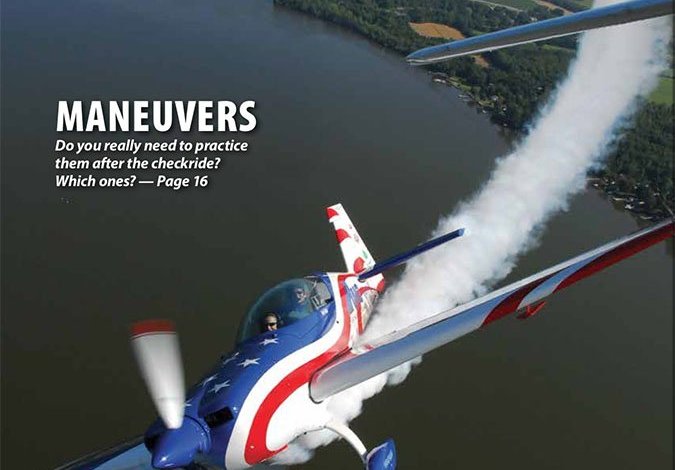
I appreciate David Jack Kennys take on the value of keeping up with performance and ground-reference maneuvers after the checkride (Maneuvers, September 2018). Ive found that they definitely help me to build confidence when Ive been out of the left seat for a while, and can quickly restore the feel of the airplane. The same is true when confronting an unfamiliar type or when assessing skills of a new pilot-acquaintance.

Read More »

Separation Anxiety

If there were some way I could make a series of trips back in time to change things, one of the stops on my itinerary would be to somehow infiltrate the small cadre of early pilots and airplane designers to convince them to use a word other than stall to describe what happens when a wing exceeds its critical angle of attack. The word obviously has numerous other applications, and using it for this purpose has confounded student pilots and television news anchors ever since. That said, Im not sure what should replace it, and remain open to suggestions.

Read More »
Pilot in aircraft
Sign-up for newsletters & special offers!

Get the latest stories & special offers delivered directly to your inbox.

SUBSCRIBE