Instrument Check

Flying Your Propeller

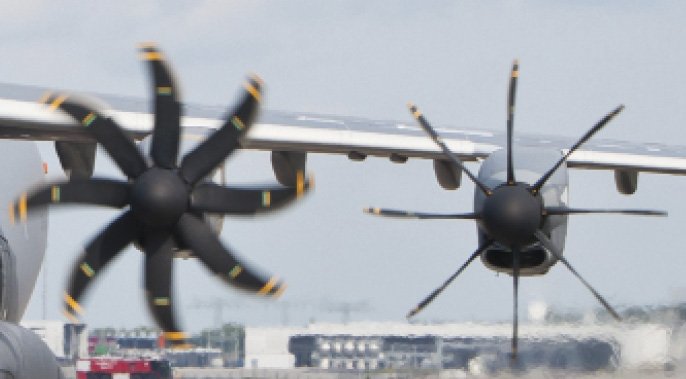
Remember that propeller blades are airfoils moving in a plane different from and usually perpendicular to the direction of flight. As an airfoil, the amount of lift the blade creates when moving through the air depends on its angle of attack, and its angle of attack-plus drag-can depend on a variety of factors, including the airplanes pitch attitude. Remember, too, that the outer portions of long prop blades move faster-they cover greater distance in the same amount of time-than shorter ones.

Read More »

NTSB Reports

Radar data depicted the airplane flying northerly until about 1138, when it initiated a right turn to the south at about 400 feet msl. Witnesses then saw the airplane turn right to a westerly or northwesterly direction over land while radar depicted the airplane descending to about 200 feet msl. The airplane banked sharply left, and one witness observed the banner twist and separate. The airplane then banked to the right and impacted a 19-story condominium near its top floor. The airplane fell to the second floor deck and came to rest on its left side. Witnesses described the engine sound as either sputtering, operating normally or being at a low throttle setting.

Read More »

Odds And Ends

This issue likely will hit your mailbox just before the Sun n Fun International Fly-In Expo in Lakeland, Fla. The annual event informally kicks off each years air show season, and 2019 will be no different. If you plan to attend SnF or any other fly-in event (cough, EAA AirVenture, cough), youre not alone. In fact, thousands of your closest friends are planning the same thing, and well all want to arrive and depart at more less the same time.

Read More »

NTSB Reports

Upon raising the landing gear after takeoff, the gear motor continued to operate longer than normal, and the pilot heard an abnormal sound toward the end of the sequence. The right main gear was hanging at about a 45-degree angle, and the left main gear was not visible. The pilot completed the appropriate checklists, without change. The pilot declared an emergency and ATC confirmed during a fly-by that the main gear was not extended. During the landing, the nose gear remained extended and the two main gear were retracted. The airplane came to rest on the runway and the passengers egressed without further incident.

Read More »

Hosed

Engine began running rough in cruise, the pilot diverted and the aircraft was landed without damage. Investigation found the fuel line between the fuel flow transducer and fuel flow divider was loose at the flow divider. Although it seems unlikely, the aircraft operator has to consider the possibility that this fuel line came loose by itself in the five days and 23 hours of flying since the last scheduled inspection….

Read More »

After The Prop Stops

One of the oldest jokes in aviation holds that the big fan is there to cool the cockpit: Whenever it stops unexpectedly, the pilot starts to sweat. Every aviator whos had that experience can probably confirm a significant uptick in pulse and respiration. In the best case, thats accompanied by a corresponding intensification of focus, rapid execution of the memory steps of the emergency procedures checklist and efficient assessment of available alternatives. In the worst…well, those pilots arent available for interviews, but tapes of their radio transmissions can make for uncomfortable listening.

Read More »

Risks Of Engine Failure

I had an interesting experience following recent painting of my Cessna 182. I flew it back from the paint shop uneventfully enough, but after tying it down following that two-hour flight home, we had a windstorm with 50-knot gusts, and the wind put enough force on the right wingtip to cause the screws holding it in place to drop out. So, the wingtip peeled off, and smashed into the cowling, creating a dent/crease just forward of the windshield.

Read More »

Trim Failures

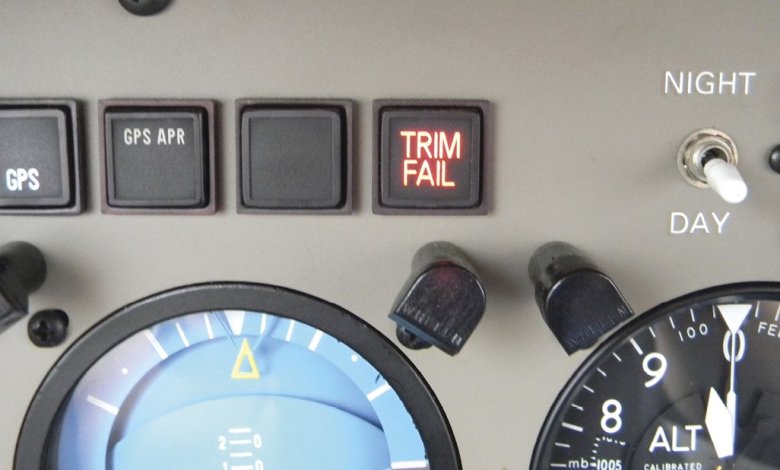
Years ago, when I first heard the term runaway trim, my initial thought was something along the lines of, How can that happen? All of the trim systems Id seen up to that time had been manual, unassisted crank, lever or thumbwheel affairs, which rely on the pilot grabbing something and moving it to achieve the desired change. I was aware that trim systems could mechanically fail, but generally would stay in a fixed position when they did. I had discussed and trained for abnormal trim conditions, but how could a trim system run away? Then I learned about electric trim, autopilots and runaway trim, and it all became clearer.

Read More »

Brake Master Cylinders

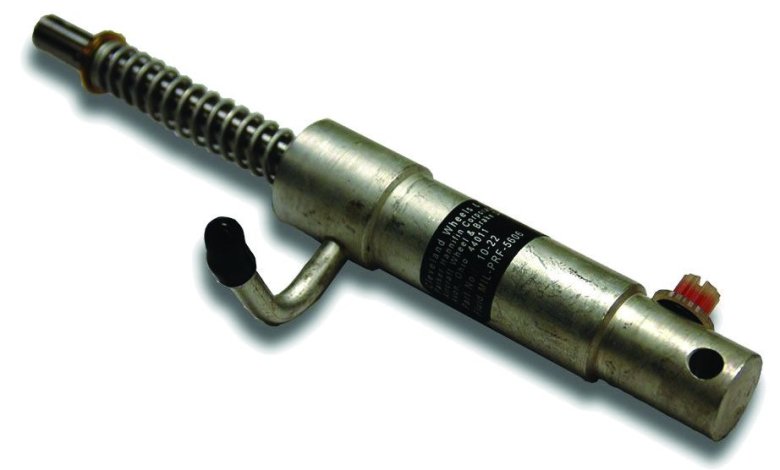
After a brake master cylinder was installed, the technician was unable to bleed the brake system. Fluid pulled from reservoir would return to reservoir through the same line as the internal bypass was not functioning properly. Master cylinder was disassembled and bypass was found stuck and unable to move. Metal shavings were found inside, and an O-ring was torn, with black specks mixed in with the shavings. Part replaced with new master cylinder.

Read More »

Test Pilot

My airplane has wingtip-mounted fuel tanks, installed under a supplemental type certificate (STC). In many ways, theyve transformed and improved the machine by adding greater loading flexibility, thanks in part to a gross-weight increase. What drag they produce isnt noticeable, and the additional endurance means the airplane is faster over some trips than it was before. For many of my destinations, I can depart with full tanks, fly to my destination, shoot an approach, miss it and fly home with reserves.

Read More »
Pilot in aircraft
Sign-up for newsletters & special offers!

Get the latest stories & special offers delivered directly to your inbox.

SUBSCRIBE