













Register

Flying Your Propeller

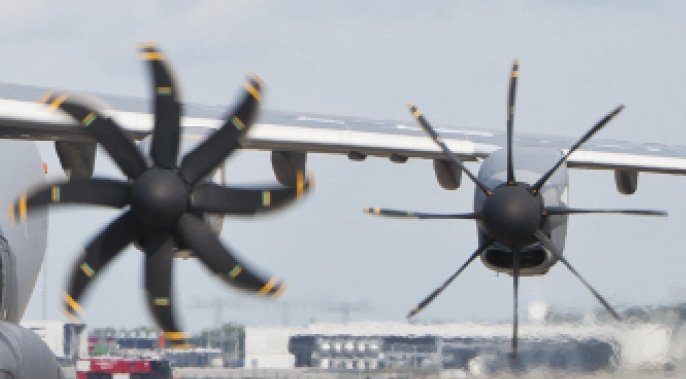
Remember that propeller blades are airfoils moving in a plane different from and usually perpendicular to the direction of flight. As an airfoil, the amount of lift the blade creates when moving through the air depends on its angle of attack, and its angle of attack-plus drag-can depend on a variety of factors, including the airplanes pitch attitude. Remember, too, that the outer portions of long prop blades move faster-they cover greater distance in the same amount of time-than shorter ones.

Gemini Sparkle

Key Takeaways:

  • The article distinguishes between fixed-pitch and constant-speed propellers, explaining their design and operational differences for piston-powered aircraft.
  • Fixed-pitch propellers have a pre-set blade angle, optimized either for climb or cruise performance, and offer no in-flight adjustment, leading to performance compromises.
  • Constant-speed propellers automatically adjust blade pitch in flight via a governor to maintain a constant, pilot-selected engine RPM, thereby optimizing performance and efficiency across various flight conditions.
  • More advanced propeller systems include feathering, which minimizes drag from a failed engine, and reversing, which provides reverse thrust for braking or ground maneuvering.
See a mistake? Contact us.

A reader recently wrote to request an article on propellers: Why are “constant-speed” props called what they are, how can a fixed-pitch prop “lug” the engine and how does the number of propeller blades affect performance were some of the questions posed, and we promised to follow up. We’ll talk mainly about how to fly common propeller systems on piston-powered small airplanes.

Remember that propeller blades are airfoils moving in a plane different from and usually perpendicular to the direction of flight. As an airfoil, the amount of lift the blade creates when moving through the air depends on its angle of attack, and its angle of attack—plus drag—can depend on a variety of factors, including the airplane’s pitch attitude. Remember, too, that the outer portions of long prop blades move faster—they cover greater distance in the same amount of time—than shorter ones.


Ready to Sell Your Aircraft?

List your airplane on AircraftForSale.com and reach qualified buyers.

List Your Aircraft
AircraftForSale Logo | FLYING Logo
Pilot in aircraft
Sign-up for newsletters & special offers!

Get the latest stories & special offers delivered directly to your inbox.

SUBSCRIBE