










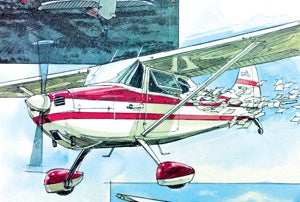
Ditching
An easy way to avoid the risk of ditching is to not fly over water. The rest of us should plan ahead.

An easy way to avoid the risk of ditching is to not fly over water. The rest of us should plan ahead.
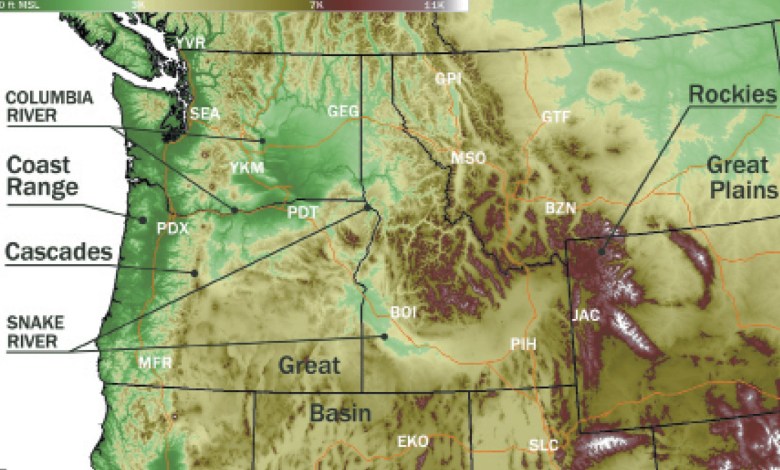
In real life, it’s rarely a standard day. The differences can turn our high-performance airplane into a real dog.
Everyone talks about the weather but no one ever does anything about it. (Stop me if youve heard that before.) The same could be said about managing the risk of general aviation. We-both this magazine and the industry as a whole-spend a lot of time preaching to pilots about the mechanics of understanding weather forecasts, determining if the aircraft is capable, and making honest evaluations of our own performance in considering how and when to conduct a flight. But once we identify the need to mitigate a risk, we sometimes have little space left over to describe the tools we can use. Lets try to fix that.

Since Eric is a working controller, I respect his advice. I was a little surprised when he stated that filing direct grinds controllers gears. With GPS capability, filing direct has saved me a lot of time and money. It was never realized that doing so was creating a problem for anyone. It was not done as a sign of laziness or to engage in a bad practice, but to get in and out of the ATC system as quickly and efficiently as possible.
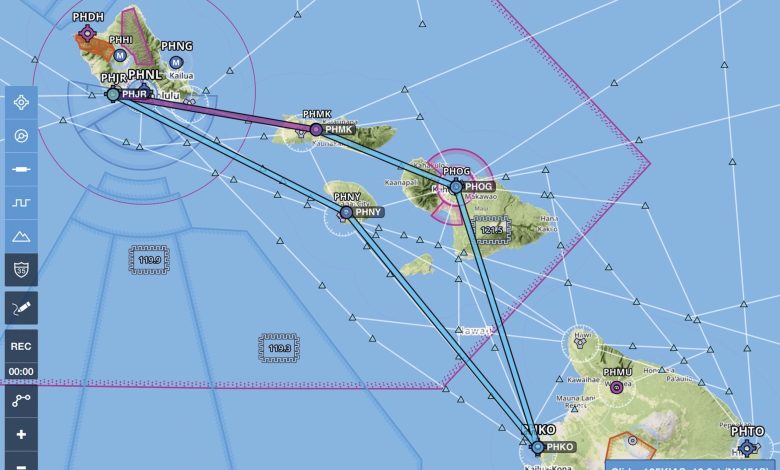
Its an aviation clich that your single engine goes into automatic rough when crossing any significant body of water. To be sure, any engine problem while beyond gliding distance from land is a critical problem, even if you have more than one. When flying a single, its everything. Another clich is that most of us dont bother to analyze the real risks of overwater flying. Any water crossing of any significance-and wed put the Great Lakes, Hawaii and Bahamas in that basket-should be carefully planned to ensure risks are mitigated to acceptable levels. The thing is, both clichs are true more often than not.
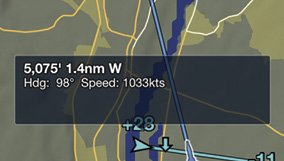
Thank you for printing in Augusts magazine the short letter I wrote, highlighting an issue I encountered just south of the Albany, N.Y., Class C airspace-a Cub showing an ADS-B altitude of 500 feet below sea level. (By the way, I passed the same Cub today at very close range. This time he wasnt showing up at all on ADS-B). In your response, you asked readers to report other anomalies, so heres one from a week or so ago.
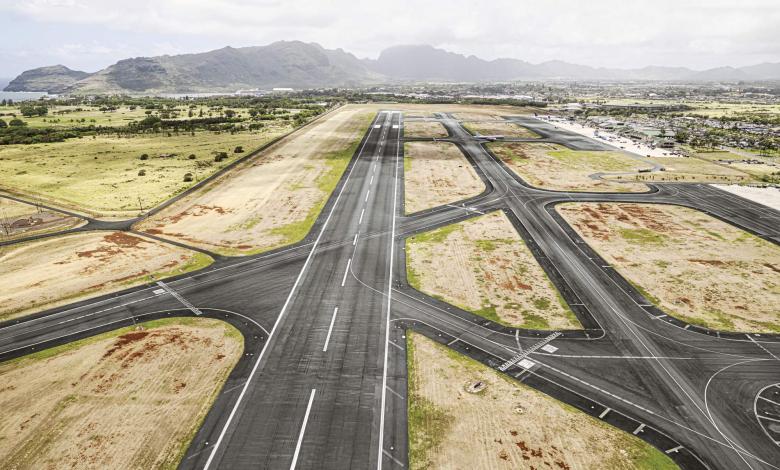
The event perhaps most demonstrative of what can happen as an aircraft ages occurred on April 28, 1988, over Hawaii. Thats when an Aloha Airlines Boeing 737-200 operating in scheduled passenger service as Flight 243 between Hilo and Honolulu lost part of its cabin roof while in cruise at FL240. The crew successfully landed the airplane after diverting to Maui. Of the 89 passengers and six crewmembers aboard, there was one fatality-a flight attendant who was swept overboard during the decompression event.
During the landing roll, three deer ran from right to left across the runway. The pilot felt a hard strike on the inboard section of the right wing, observed a deer roll over the right wing and felt a sensation of the right landing gear running over a second deer. Although the airplane sustained substantial damage to its right wing, the pilot was able to maintain control and taxied to the ramp without further incident. The pilot and passenger had to egress through the rear baggage door due to damage to the cabin door.

In the decade-plus since the coming ADS-B mandate became a thing for U.S. aviation, those whose operations will be affected have fallen mainly into two camps: early adopters and those who put it off as long as possible. In this binary world, I freely admit to being something of an early adopter. And despite some cool-and less expensive-new gear on the market, Im happy with my choice to equip with ADS-B in 2016. Its likely those who have taken a wait-and-see attitude also are happy.
The only time Ive performed what I consider to have been a for-real high-altitude takeoff, it went fine. I was at Albuquerque, N.M.s Double Eagle II airport, elevation some 5800 feet. It wasnt the middle of summer, but it was a warm, sunny fall afternoon. I dont recall which runway I used, but it offered more than enough length for my Debonair, which carried only me, some gear and full fuel. As Id been trained, I leaned the engine before the takeoff and let the airplane fly itself off the runway. I handled it gently until gaining enough airspeed to establish a proper climb and I had some altitude.

Get the latest stories & special offers delivered directly to your inbox.
SUBSCRIBE