










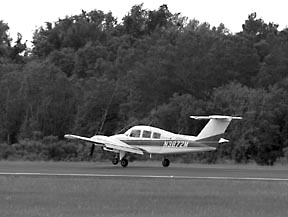
The Perfect Landing
Accuracy approach and steep spiral, newly added to the PTS for several certificates, help hone skills you can use every flight

Accuracy approach and steep spiral, newly added to the PTS for several certificates, help hone skills you can use every flight
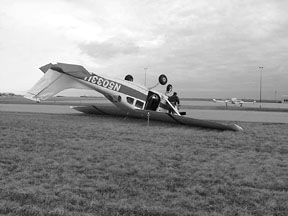
Crosswinds plague even experienced pilots. The secrets to success: consistent patterns, proper procedure and a modicum of skill
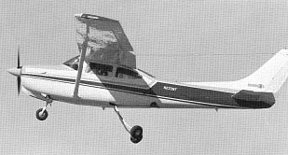
Accidents on go-arounds reflect poor approaches, delayed decisions, lousy control and incorrect procedures
Poor alignment with the runway during approach is the primary reason airplanes depart from the pavement after landing
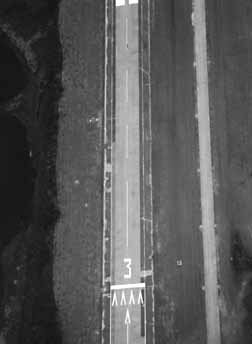
Runway overruns boil down to poor energy management during the approach. Excess speed is most often the culprit
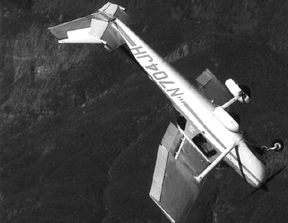
Understanding spins takes far more training than a one-shot exposure to a one-turn spin.
As summer takes hold, the days are getting long. Theyre also getting hot, which means the other thing that will be getting long is takeoff distance.
High temperatures – and therefore high density altitudes – affect every airplane, single-engine or multi, piston or jet. Higher elevations and bigger payloads only make the problem worse.
In a single-engine airplane, the loss of engine power makes the next step pretty easy to determine. If the engine failure happens on the ground, you will stop. If the failure happens in the air, you will land. Sir Isaac Newton assures us that this is so. Such outcomes are non-negotiable and cannot be changed.
In a multi-engine plane, it is not alway…

Get the latest stories & special offers delivered directly to your inbox.
SUBSCRIBE