Register

Stick & Rudder

Cruise Flight Dynamics

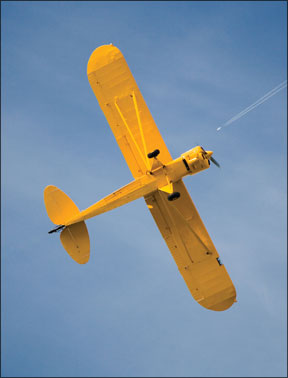
Unless youre someone like Sean Tucker or Patty Wagstaff, or one of the Blue Angels, you probably spend most of your time in the left seat of an airplane flying it straight and level. I know I do, since Im usually going somewhere, even if its only a quick flight to and from a nearby airport to warm the oil before changing it. Meanwhile, we spend a lot of time worrying about the aerodynamics associated with stalls, slips, spins and such, even though we rarely find ourselves performing those maneuvers.
Read More »

Unusual Recoveries, II

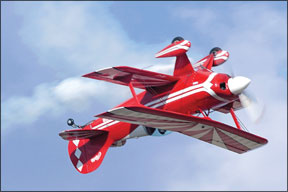
We compared the Neutral Recovery Controls and the Hands-Off methods of spin recovery to the tried-and-true NASA Standard recommendations in Part I of this series (June 2007). Well now look at recovery strategies for airplane upsets specifically involving excessive angles of bank. Since leading supporters of Neutral Recovery Controls steadfastly maintain the method works in any attitude and in any airplane, well compare this strategy as well as the instinctive Split-S reaction (i.e., “Just pull, baby!”) to a more traditional roll recovery as embodied in the Power-Push-Roll procedure.

Read More »

Unusual Recoveries

The mere mention of “unusual attitudes” not only raises eyebrows but-as pilots conjure up out-of-control airplanes plummeting from the sky-can measurably elevate stress levels. The phrase is often a catchall, including encounters with inadvertent stalls and spins, wake turbulence, and uncommanded spirals. Yet a stall by itself, though often a precursor to an unusual attitude event, is not an unusual attitude per se.

Read More »

Fly The Wing

I continue to be surprised about pilots having accidents while doing maneuvers close to the ground. This list includes airmen from a wide variety of backgrounds, including airshow performers, flight instructors, military pilots and general aviation pilots. It seems to me that some of us have forgotten or misplaced the early-learned information concerning the relationship between Gs and wing stall speed.

Read More »

Pitch + Power = Performance

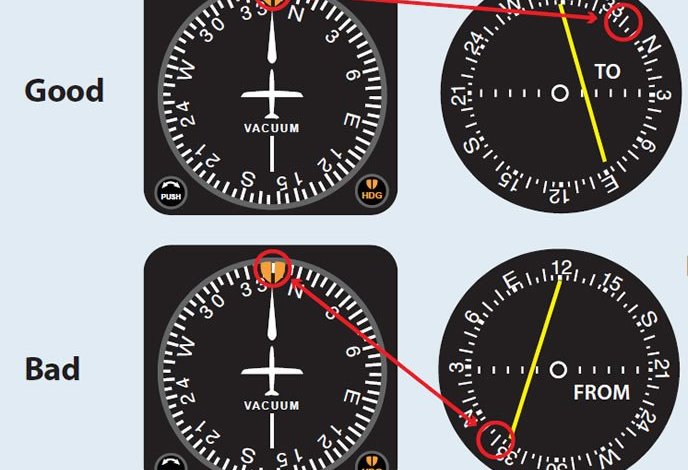
Routine flight operations typically occur in steady or quasi-steady flight: the traffic pattern, normal climbs and descents, cruise flight, even turns. Yet for all its complexities, skillfully piloting an airplane requires that we strike a balance between just three pairs of performance-defining parameters. Two of these are the force pairs lift and weight, and thrust and drag. Its a never-ending struggle to balance the weight of the airplane with lift, to balance the drag penalty resulting from that lift with thrust.

Read More »

New Normal Landings

Axioms about landing abound in aviation. Sayings such as “flying is the second greatest thrill known to man; landing is the first” and “any landing you can walk away from is a good landing” are among the most popular. You also hear colorful language applied to the landing process: A greaser is good; crow-hopping, porpoising, groundlooping are bad.

Read More »

The Yellow Brick Road

Each year, a surprising number of pilots forget that before one can fly, one has to taxi. Staying on the taxiway centerline is a great start, but theres more.

Read More »

Turning Stalls

The relationship between angle of bank and stall speed isnt a mystery, but it is a bit complicated. Heres whats going on, and why.

Read More »

Soft Touch

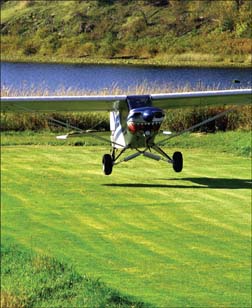
Operating off pavement requires a different, perhaps rusty technique to extract maximum performance. A little finesse on the grass goes a long way.

Read More »
Pilot in aircraft
Sign-up for newsletters & special offers!

Get the latest stories & special offers delivered directly to your inbox.

SUBSCRIBE