










Taking It Slow
Your airplanes safest turbulence-penetration speed may not be the published maneuvering speed. Why you might be too fast, and what you can do about it.

Your airplanes safest turbulence-penetration speed may not be the published maneuvering speed. Why you might be too fast, and what you can do about it.
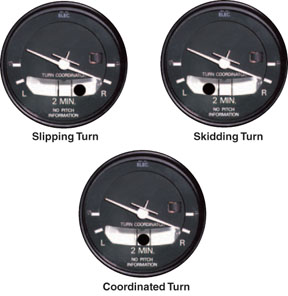
Cross-controlling is often necessary to maintain coordinated flight, but it can be dangerous. Its not whether you cross the controls, but how and when.
Aerodynamic flutter can develop with great speed and quickly destroy your aircraft. Heres why, and what you can do about it.
The ultimate expression of freedom in flight requires training, the right equipment and a broader understanding of the operating environment.
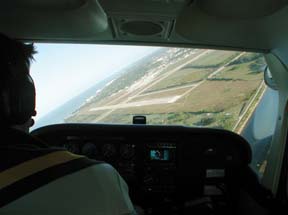
If an engine quits on takeoff, where you go is less important than how you arrive. A straight-ahead landing remains the best low-risk option.
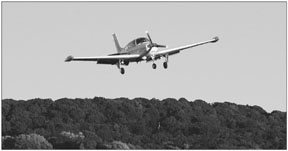
Many pilots are taught to avoid slips but often perform them anyway, without knowing it. Whats going on, and whats the problem?
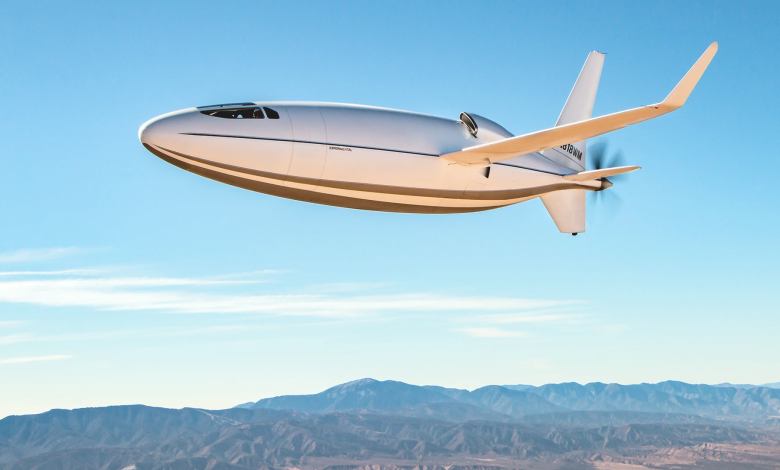
One of the keys to slow flight is understanding that much of what we know about aerodynamics changes when the airspeed is low.
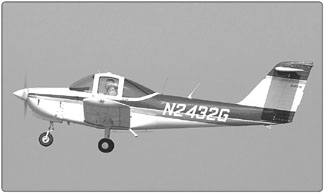
Pipers Tomahawk has been criticized for its stall-spin behavior. How does it compare with other spins-approved airplanes?
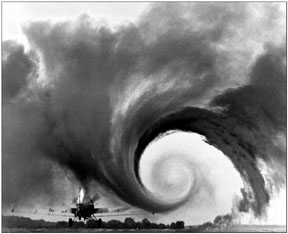
Pilots know to avoid getting behind large, heavy ones. But the wakes of smaller airplanes can be hazardous, too.

Crosswind landings can be tricky if you dont understand what can go wrong. Do you know how to avoid these five common crosswind traps?

Get the latest stories & special offers delivered directly to your inbox.
SUBSCRIBE