Register

Stick & Rudder

Autopilots

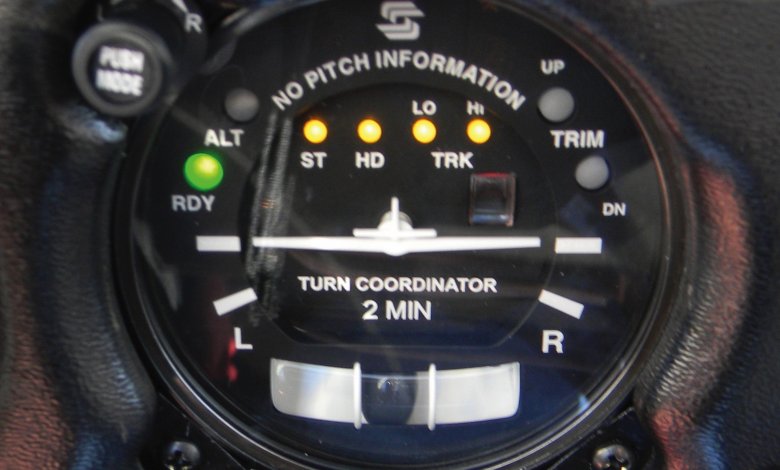
While in IFR cruise at 4000 feet, the pilot observed the flight director command bars move out of view as the airplane started a gradual descent. When the pilot corrected, the electric trim started to run nose down and the aircrafts descent rate increased. The pilot attempted to disconnect the autopilot and trim with the control switches and the red disconnect switch. None of this had any effect. With the turbulence and conditions, the pilot was unable to reach the autopilot and electric trim circuit breakers. After all other remedial procedures had failed, he shut off the avionics master switch at about 1000 feet and recovered the airplane at about 500 feet.
Read More »

NTSB Reports

Upon raising the landing gear after takeoff, the gear motor continued to operate longer than normal, and the pilot heard an abnormal sound toward the end of the sequence. The right main gear was hanging at about a 45-degree angle, and the left main gear was not visible. The pilot completed the appropriate checklists, without change. The pilot declared an emergency and ATC confirmed during a fly-by that the main gear was not extended. During the landing, the nose gear remained extended and the two main gear were retracted. The airplane came to rest on the runway and the passengers egressed without further incident.

Read More »

Ag Pilots

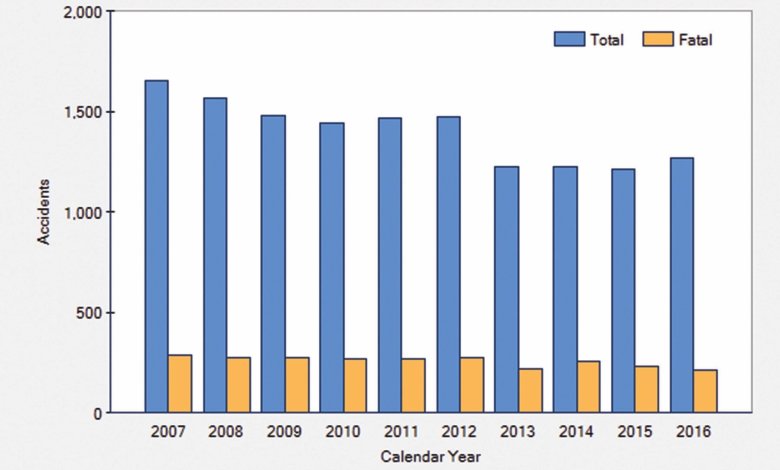
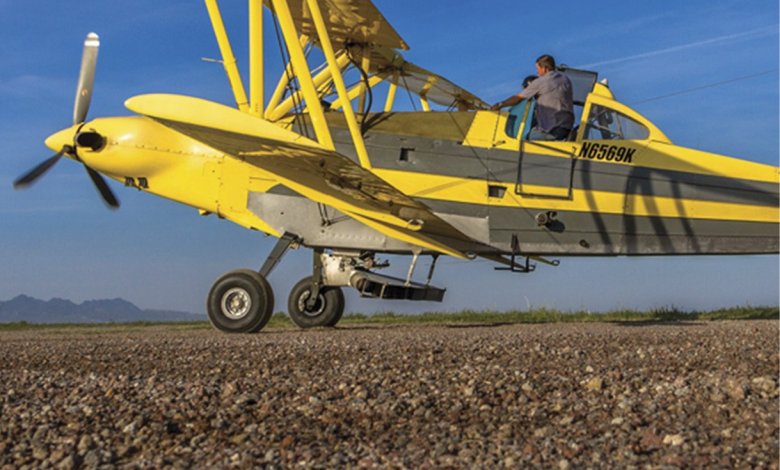
The old stereotype of crop dusters-excuse me, aerial applicators-is that they are scofflaw daredevils, perhaps with behavior issues. That caricature is a relic of the past, when an enterprising farmer would buy a $300 war-surplus Stearman, put a hopper in the front cockpit and fly the plane hard until it broke. It follows that some might think ag pilots are an unlikely source of safety wisdom, and have fallen far behind aviations cutting-edge technology, but the truth is quite different.

Read More »

After The Prop Stops

One of the oldest jokes in aviation holds that the big fan is there to cool the cockpit: Whenever it stops unexpectedly, the pilot starts to sweat. Every aviator whos had that experience can probably confirm a significant uptick in pulse and respiration. In the best case, thats accompanied by a corresponding intensification of focus, rapid execution of the memory steps of the emergency procedures checklist and efficient assessment of available alternatives. In the worst…well, those pilots arent available for interviews, but tapes of their radio transmissions can make for uncomfortable listening.

Read More »

FAA Proposes New AD On Piper Wing Spars

The April 4, 2018, crash of a Piper PA-28R-201 Arrow V operated by Embry-Riddle Aeronautical University (ERAU) continues to have repercussions. Most recently, the FAA has published a proposed airworthiness directive (AD) that would require inspecting each main wing spar of a wide range of Piper airplanes. The proposed AD is a response to the ERAU crash, which involved the inflight separation of the Piper Arrows left wing. Both aboard died and the airplane was destroyed.

Read More »

Trim Failures

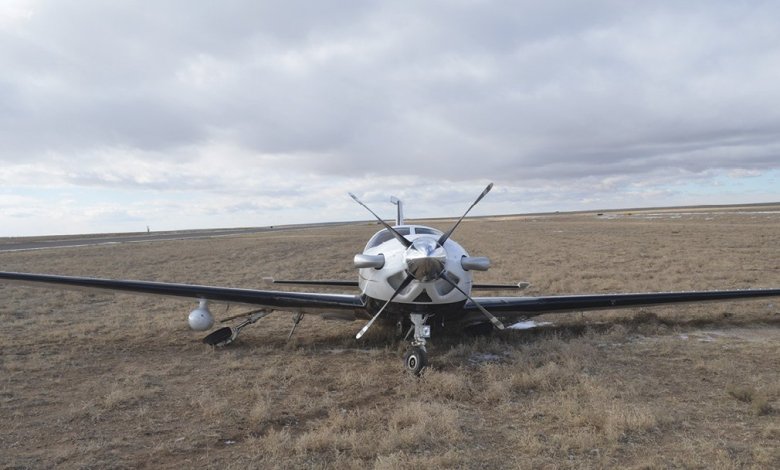
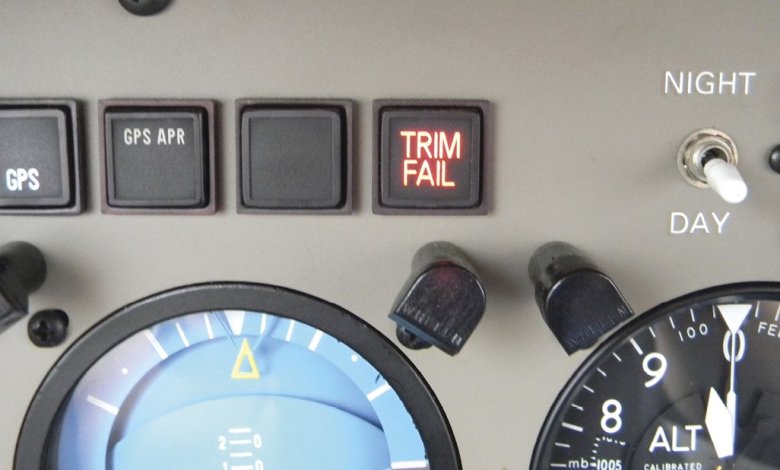
Years ago, when I first heard the term runaway trim, my initial thought was something along the lines of, How can that happen? All of the trim systems Id seen up to that time had been manual, unassisted crank, lever or thumbwheel affairs, which rely on the pilot grabbing something and moving it to achieve the desired change. I was aware that trim systems could mechanically fail, but generally would stay in a fixed position when they did. I had discussed and trained for abnormal trim conditions, but how could a trim system run away? Then I learned about electric trim, autopilots and runaway trim, and it all became clearer.

Read More »

Losing Orientation

A common night disorientation scenario is transiting from an area with many lights to empty countryside with few scattered lights (or none at all). I distinctly remember my first experience with night disorientation. I was a VFR-only pilot at the time and did not have a good instrument scan, nor much night experience, but thought I was proficient enough. I was flying from Boise to American Falls, Idaho, in a rented two-seat Alarus. The plane was painfully slow, so instead of flying over the highway, I hit the Direct To button on the GPS so I could fly the shortest path over the empty sagebrush back to the airport. Between the lack of lights and the moonless night, I strayed significantly off-course more than a few times. I knew my saving grace was the magenta line that I was able to keep pointed ahead.

Read More »

Real-World Takeoff Performance

1) A Piper PA-32R-300 Lance attempted to take off from a 3200-foot-long grass runway on a June morning with flaps retracted. It lifted off at the end of the runway, then descended into a shallow valley, touched down and lifted off a second time, before settling back to the ground and colliding with a barbed-wire fence. It was later determined to have been 188 pounds over its maximum gross weight with its center of gravity 0.15 inches aft of limits. Density altitude was about 1800 feet above field elevation.

Read More »

Why Do We Stall?

Fixed-wing pilots start learning stall recognition and avoidance during pre-solo training. The private and sport pilot checkrides require recovering from developed stalls with minimal loss of altitude, and stall and spin awareness are (or at least should be) refreshed during flight reviews for the duration of ones flying career. But unintended stalls still put dozens of airplanes into the ground every year. Is it possible that stall training as currently practiced isnt as effective as it might be?

Read More »

Seeing The Invisible

Most pilots venture into windy conditions with enough skills and smarts to know how to either avoid or cope with them. But wind-related accidents are still commonplace, so clearly we dont always get it right. One reason for this may be fairly simple: With the exception of blowing snow, tornadoes, dust devils and some cloud formations, wind is usually invisible. To visualize what is going on, you have to visualize wind currents, which is where my experience whitewater rafting has served me well.

Read More »
Pilot in aircraft
Sign-up for newsletters & special offers!

Get the latest stories & special offers delivered directly to your inbox.

SUBSCRIBE