Register

Stick & Rudder

NTSB Reports

After a low pass over the field, the pilot returned to land. On final approach, he was blinded by [the] sun and the tailwheel hit vines growing near the airstrip, causing the airplane to stall. The left wing, left main landing gear and propeller were damaged during the hard landing. According to the NTSB, [b]ecause the pilot did not hold a current pilot certificate, nor did he meet the medical certification requirements, he was not legally authorized to act as pilot-in-command of the airplane at the time of the accident.

Read More »

Other Airplanes

For example, a large flying club I was in a few years back had a pair of Cessna Cardinal RGs. They were getting a bit long in the tooth, but were roomy and relatively fast, and they were good cross-country airplanes. They also were configured basically the same, with two nav/comms but little else: no autopilot, for example, GPS or DME. After getting to know them both, I came to prefer the blue-and-white one over the orange version, since it was a bit younger and cleaner. Neither let me down, but one was sold to someone outside the club and, shortly thereafter, another pilot landed the remaining Cardinal RG gear-up.

Read More »

Mufflers

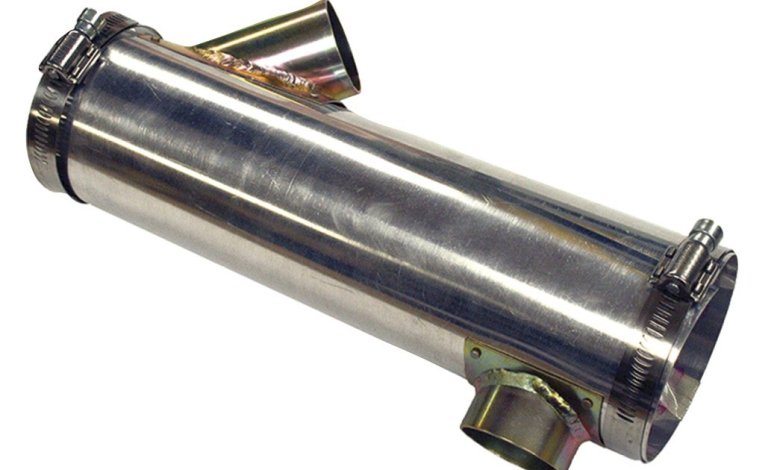
While carrying out Canadian AD CF90-03-R2, large leaks were found in the area surrounding the muffler tail pipe area under the structure for supporting the heat muff shroud. No defects were noticed in a visual inspection of this area. No data tag was on the muffler, so its assumed it is an original unit. The operators logs dont show it ever being changed.

Read More »

Catching Up

By the time you read this, Ill be getting my Debonair out of its annual inspection. Its been a lengthy one, in part because of some items I had deferred from previous inspections and in part because the airplane was new to the shop doing the work. Basically, I decided it was time to catch up on a few wear-and-tear items that pop up with any kind of machine, from a Roomba vacuum cleaner to a personal airplane.

Read More »

Your Flight Service User Guide

One way to deal with this torrent of poorly presented information is to call Flight Service, ask for an abbreviated briefing and query the briefer about Notams for your proposed flight, and especially if theres any new FDC Notam affecting the airspace or procedures you anticipate. Listen to the briefer; there might be some nuggets you didnt know about. And at least youll be on the record when FAAs enforcement apparatus asks you about a TFR bust. -J.B.

Read More »

Flying Your Propeller

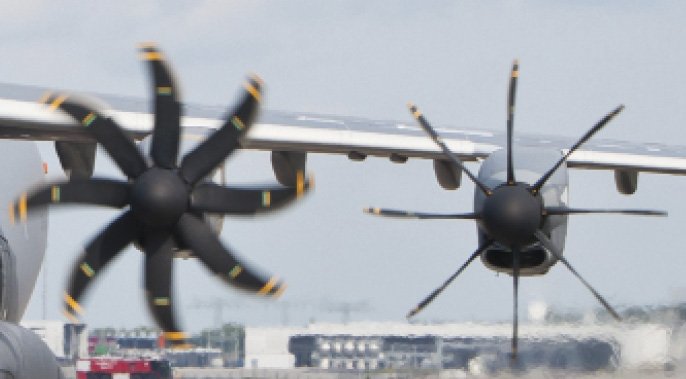
Remember that propeller blades are airfoils moving in a plane different from and usually perpendicular to the direction of flight. As an airfoil, the amount of lift the blade creates when moving through the air depends on its angle of attack, and its angle of attack-plus drag-can depend on a variety of factors, including the airplanes pitch attitude. Remember, too, that the outer portions of long prop blades move faster-they cover greater distance in the same amount of time-than shorter ones.

Read More »

Flying On The Ground

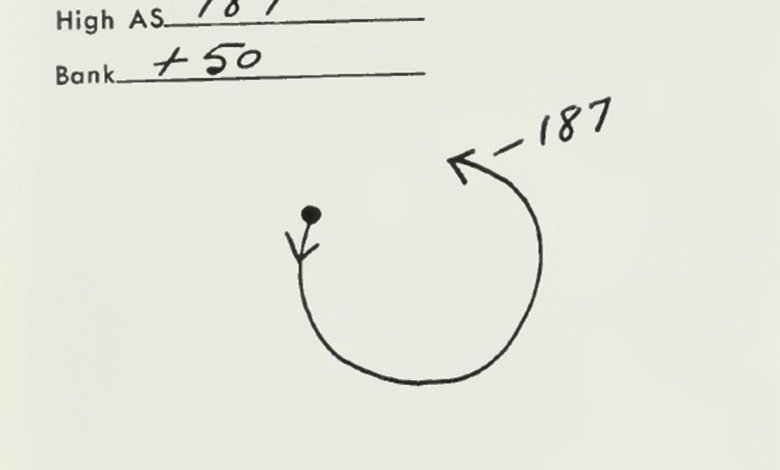
Your primary training probably included a diagram explaining where the elevator and aileron controls should be positioned based on where the wind is coming from while taxiing. When we have such wind conditions-and even when we dont, if we want to be honest- we can and should use the ailerons to help control the airplane on the ground. Alas, we dont always have that diagram available, and its easy to forget whether the upwind wings aileron should be down or up. (Hint: It depends.) Lets try to come up with a one-size-fits-all understanding of when and how to use ailerons on the ground.

Read More »

Disoriented Scans

Fine article about bounced landings. Preventing them should be primary but when we do get a bounce, for some airplanes the recommendation is not to save the landing but just to go around. A number of years ago, there was a series of fatal Cirrus bounced landing accidents. Im not sure if there were official findings that gave common cause, but one theory was that the fixed landing gear acted like a pogo stick and was unforgiving of too much energy on touchdown. The finesse that you describe to salvage this type of bounce was not easily done by some pilots.

Read More »

Survive Inadvertent IMC The Old-Fashioned Way

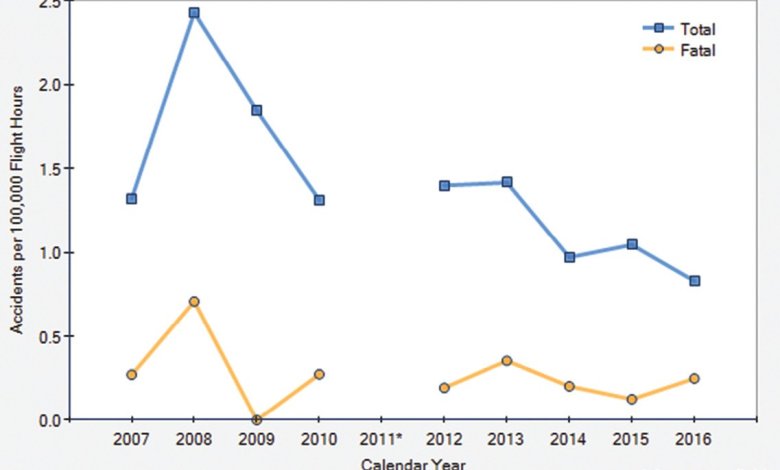
if youve been around general aviation for any time at all, by now you should not be surprised to learn that attempted VFR flight into instrument metereological conditions (IMC) and its close cousin, loss of visual references at night, consistently rank as the most lethal type of GA accidents. Although the numbers (thank goodness!) have recently begun to decline, about seven out of every eight-nearly 90 percent-of those accidents are still fatal. Thats largely because, as current NTSB Vice Chairman Bruce Landsberg puts it, they tend to end in flight into terrain, either controlled or (more often) uncontrolled. In both cases, prospects for survival are meager.

Read More »

Air Traffic Awareness

Tom Turners February 2019 article, The Big Picture, highlighted for me that we should find ways to continuously improve the way we operate within the National Airspace System (NAS) and one way I can help-to give back, if you will-is to try explaining to pilots more about what goes on in the towers, Tracons and Centers throughout the U.S. Its not mysterious or difficult to understand, but it may be different from what you have been told, or told to expect.

Read More »
Pilot in aircraft
Sign-up for newsletters & special offers!

Get the latest stories & special offers delivered directly to your inbox.

SUBSCRIBE