Register

Stick & Rudder

Fuel Tank Frustrations

Right fuel tank cracked at top seam. Tank was replaced. Operator noticed a very loud oil canning sound from right wing after shutdown following a one-hour flight. Investigation revealed a partial blockage of the fuel tank vent, causing oil canning of fuel tank due to vacuum in fuel tank. Vent line was cleared and vented cap was replaced with new.

Read More »

Down Time

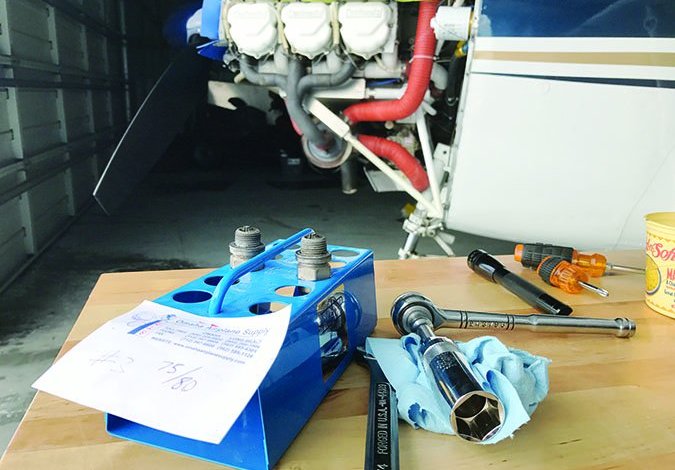
If youre an aircraft owner like me, you enjoy rolling up your sleeves and tackling various tasks to help maintain or preserve your airborne conveyance. Those tasks can be as simple as a wash and wax, or more complicated, like an engine oil and filter change, or other preventive maintenance (PM) items allowed in FAR 43s Appendix A. And if youre also busy like me, you may find it difficult to work these projects into your schedule. One result is starting a PM project and not having time to finish it. Thats a place I find myself.

Read More »

Which Airspeed?

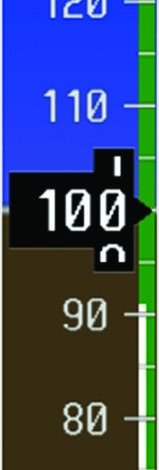
One of the most important bits of information pilots can glean from our instrument panels is airspeed. Its used on takeoff to gauge when to apply backpressure for liftoff, its used when landing to ensure were neither too slow or too fast, and we use it in cruise to help verify performance (and establish bragging rights). Depending on the airplane and the days mission, we may also use it to ensure were at or below an appropriate speed before penetrating turbulence or conducting various maneuvers.

Read More »

Stabilizing Your Approaches

Stabilized approaches have gotten a lot attention lately, not only with those who fly airplanes, but also with the general public. The proliferation of video cameras has done quite a good job of educating people on how an otherwise airworthy aircraft can be flown into the ground. As the images play out on the screen, a disembodied voice inevitably will at some point attribute the carnage to an approach that was not stabilized.While the voice might not mention just what that thing that was lacking in said accident really is, people will at least remember the phrase the same way they remember words such as shark, fire, disco or myocardial infarction. The true meaning is vague, but they do know it is usually associated with something bad. With that in mind, lets add some clarity by reviewing what a stabilized approach is. Perhaps if we understand what it is, we can then fly it.


Read More »

LOC Recoveries

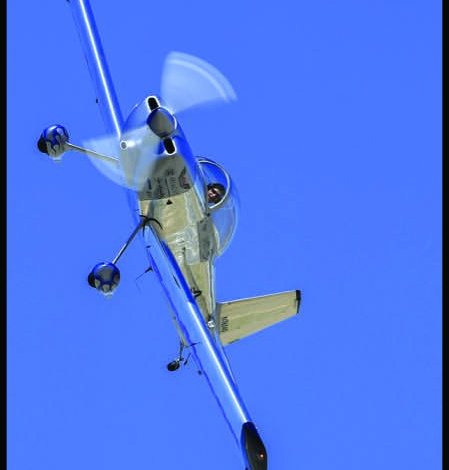
Unusual attitude recovery is a standard part of the FAA checkride for nearly every rating, plus flight reviews and instrument proficiency checks. Pilots dutifully don a hood, put their heads down as an instructor or examiner puts the airplane through a few gyrations and then says, Youve got it. The pilot looks up to see that the airplane is either in a nose-low or nose-high bank and usually makes a power change to help control speed, levels the wings and returns the nose to the horizon before something breaks. A check is placed in the unusual attitudes box and the pilot and instructor move on to other tasks.

Read More »

Soaring School

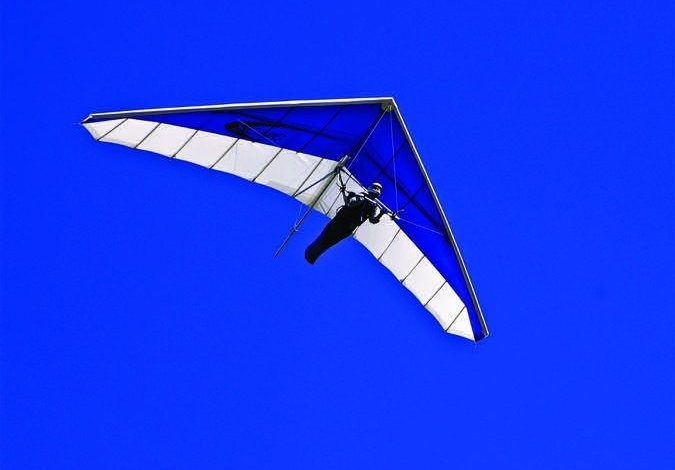
The first years and hours I spent aloft werent really loggable toward an FAA pilot certificate. Thats because I was doing it from a hang glider, jumping off the side of a mountain, wearing a helmet and strapped to a wing. I was the landing gear. It was more of a sport than a form of transportation, but that early exposure to flight taught some lessons that were easily transferred to powered airplanes. I went on to earn my private and an instrument rating, and have flown some interesting airplanes along the way.

Read More »

Stabilized Approaches

As a pilot who spent the majority of his time landing on the kind of runways described by Mike Hart in his article, Off The Beaten Path, in June 2015s issue of Aviation Safety, I will testify to the fun of landing at such places. Most pilots will spend their time on surfaces free of undulations, slope and aircraft damaging debris, so it was good to be reminded of how the surface interacts with my flying.

Read More »

Finding The Airport

A student pilot in a Cessna 152 was flying from Denton, Texas, to the Ardmore (Okla.) Municipal Airport (KADM). During the trip, he obtained VFR flight following from ATC. At his last checkpoint, he was told Ardmore was at his 12 oclock and 10 miles. The student contacted what he thought was Ardmore Municipal Tower and reported his position. It is unclear from the report, but it appears that he may have entered the wrong frequency.

Read More »

Get The Lead Out

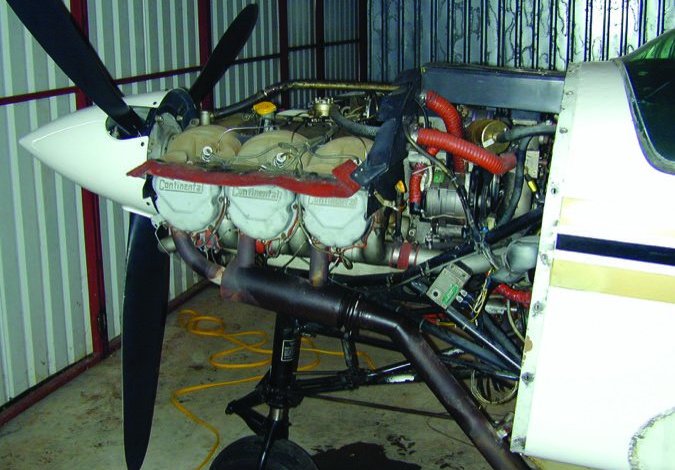
There is a fundamental reason we perform preflight run-ups and engine checks before takeoff: It is a whole lot better to find problems at 1G, 0 feet agl and 0 knots airspeed than it is while airborne. Making sure a powerplant will work as we intend before taking off is just good airmanship. A good run-up doesnt mean everything is perfect, however, and we train for airborne engine problems, including full use of its controls and instruments.

Read More »

Taming The Taildragger

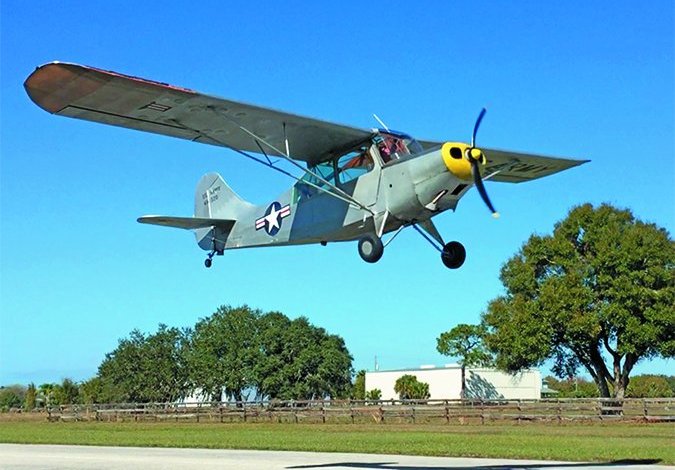
Ive long wanted regular access to a tube-and-fabric taildragger, something to fly low and slow, with my arm hanging out the window. Im happy with my go-places airplane, which fits most of my missions, but variety is a good thing. A few flights in a friend and neighbors nice, simple, original Aeronca 7AC Champ didnt whet my appetite for that kind of flying. Instead, it was stronger than ever.

Read More »
Pilot in aircraft
Sign-up for newsletters & special offers!

Get the latest stories & special offers delivered directly to your inbox.

SUBSCRIBE